HORIZON Risk Thought >> Fast Forward

Our HORIZON initiative has always stood as a beacon for those who dare to strive forward in business. HORIZON is a platform where boundaries are pushed and the future is envisioned with clarity and determination.

This year, we embrace a renewed spirit of courage – a quality that is not simply admirable in business, but essential. This campaign brings together thinkers and innovators who are challenging the status quo across key areas – risk, sustainability, social change, technology, and governance. Their reflections invite you to consider what courage means personally: how it shapes your ambitions, fuels your imagination, and helps transform the ordinary into the extraordinary.

In the risk management context of these systemic transformations, we classified these “risk changers” that directly affect a company and use the terms:

  • “Environment in danger” for ecological,
  • “Beyond globalisation” for geopolitical,
  • “Digital transition” for technological and
  • “Social disruption” for social transformation.

We have created Horizon, firstly as a print publication and now as a platform for sharing the latest insights about ongoing transformations. Our risk specialists will continue to provide their expertise and knowledge to shine a light on the challenges of the future.

We have created HORIZON to share the latest insights about ongoing transformations.
Our risk specialists provide their expertise and knowledge to shine a light on the challenges of the future.

Discover all their latest insights, thoughts and viewpoints, or choose from our systemic risk categories to find out more.

Companies need to think through these topics on time and think them through strategically, so they can build up strategic competitive advantages
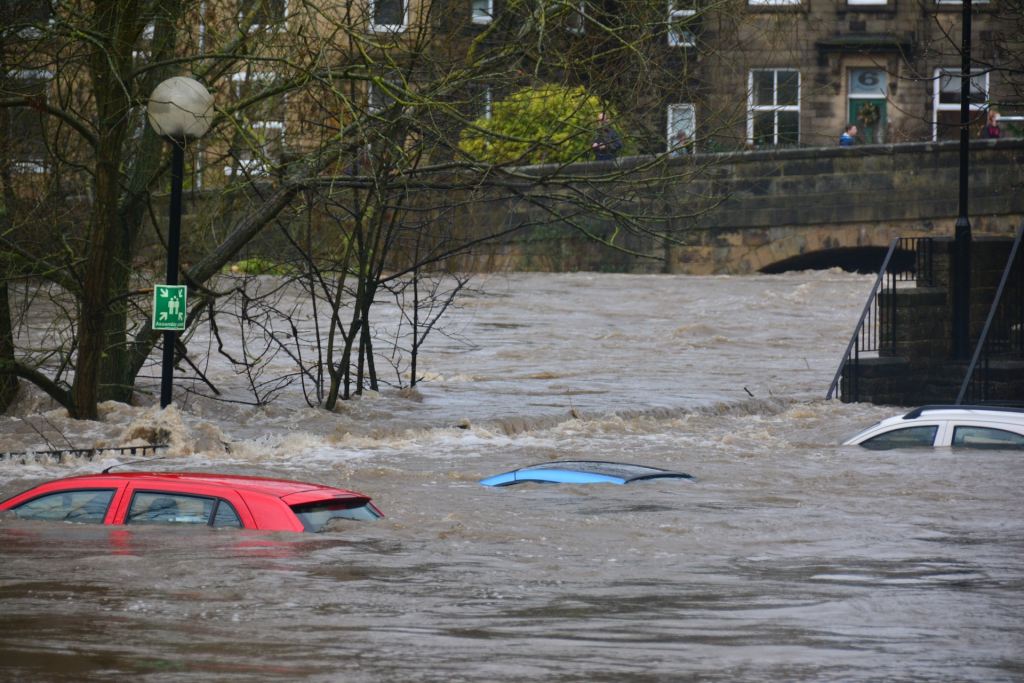
August 2023 saw horrific flooding in Slovenia as a month´s worth of rain fell in just 24 hours. We ask: How can politics help in such a crisis?
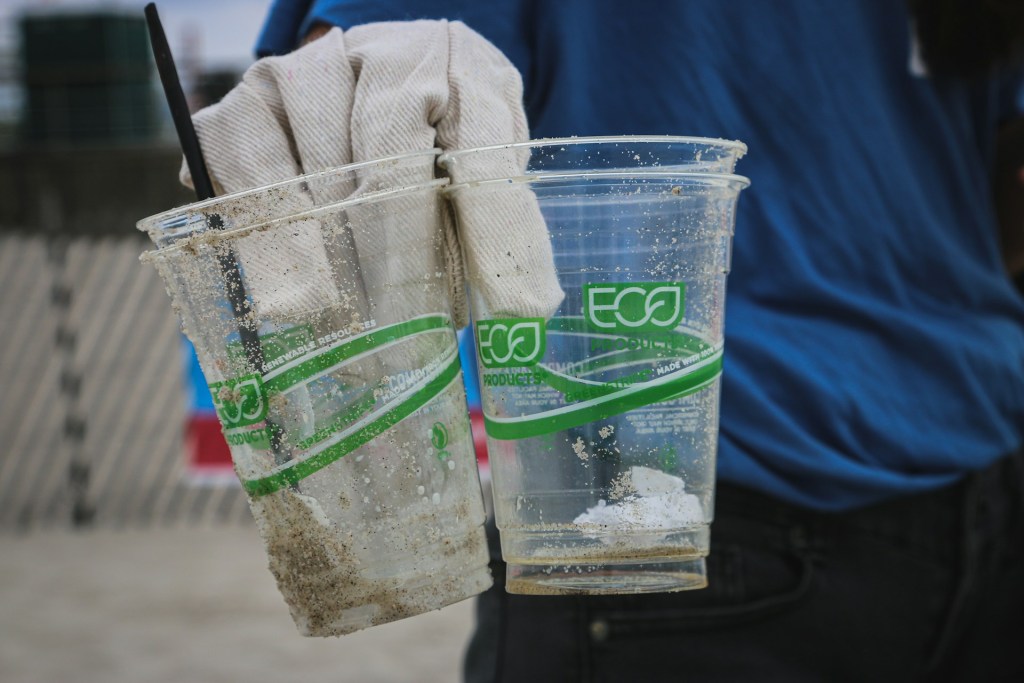
Small steps by every business and every individual today will make a huge impact on our environmental footprint in the long run. We should all be thinking of cleantech living and doing whatever we can to help reduce our environmental footprint.
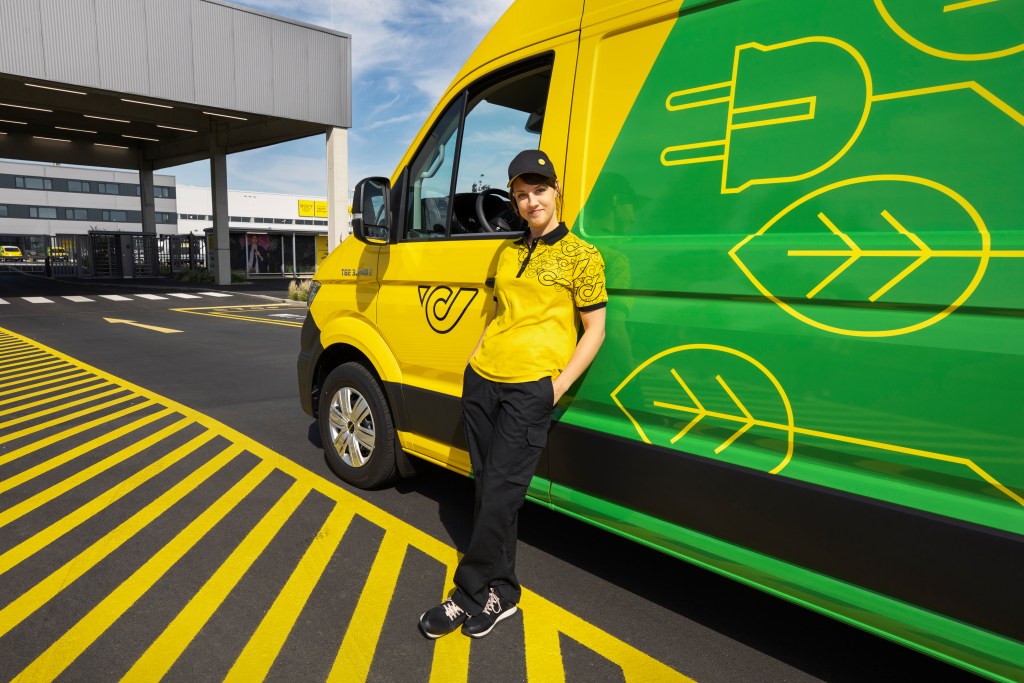
Austrian Post has laid the right tracks for vehicle fleet sustainability in the haulage and logistics industry with its future-oriented strategy.
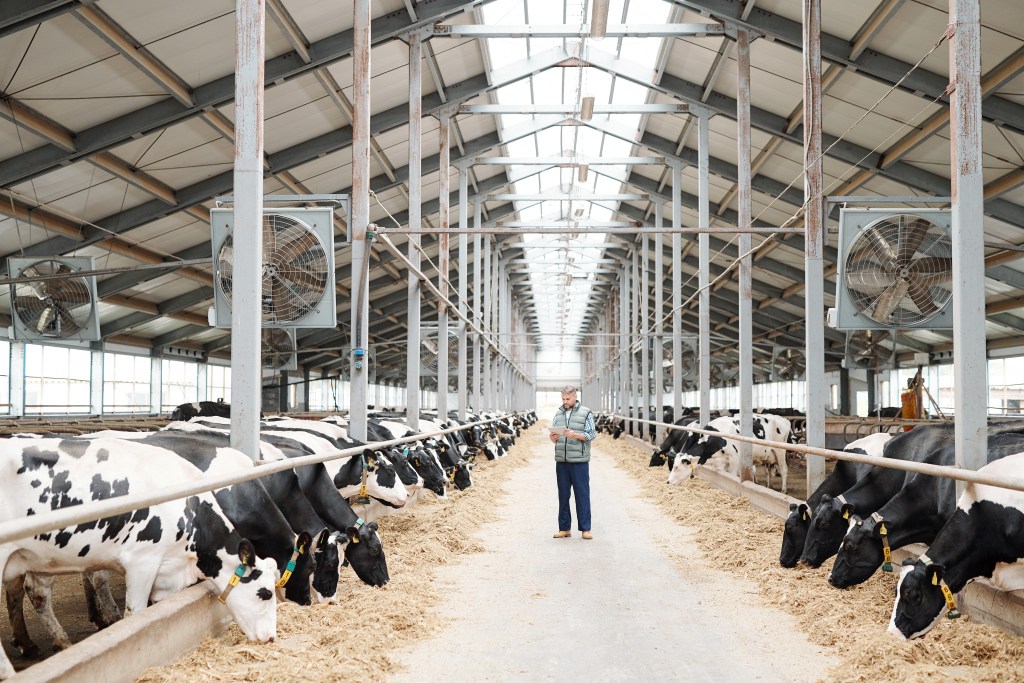
Organic farming is not only about healthy food, but also about using practices that make our agriculture sustainable and resistant to climate change for many generations to come.
Despite Austrians receiving more and more parcels every year, by converting its fleet, Austrian Post AG is still managing to reduce its emissions.  Daniel-Sebastian Mühlbach, Head of CSR & Environmental Management, and Paul Janacek, Head of Group Vehicle Fleet at Austrian Post tell us how.
Nowadays, more and more companies are starting to realise the accepted traditional benefits offering is no longer relevant or appropriate, and the one-size-fits-all approach is a thing of the past.
Ralf Mittermayr, CEO at Saubermacher AG, the most sustainable waste disposal company in the world (GRESB rating), discussed with Jürgen Spari, Regional Manager of GrECo Steiermark their zero-waste vision and what zero waste will mean for the insurance industry.
We are in the fast-paced age of technology and Health & Benefits is having to transform and evolve at an alarming pace to keep up. 
One of the greatest climate hazards for industry caused by heat and drought is the decreasing availability of water.
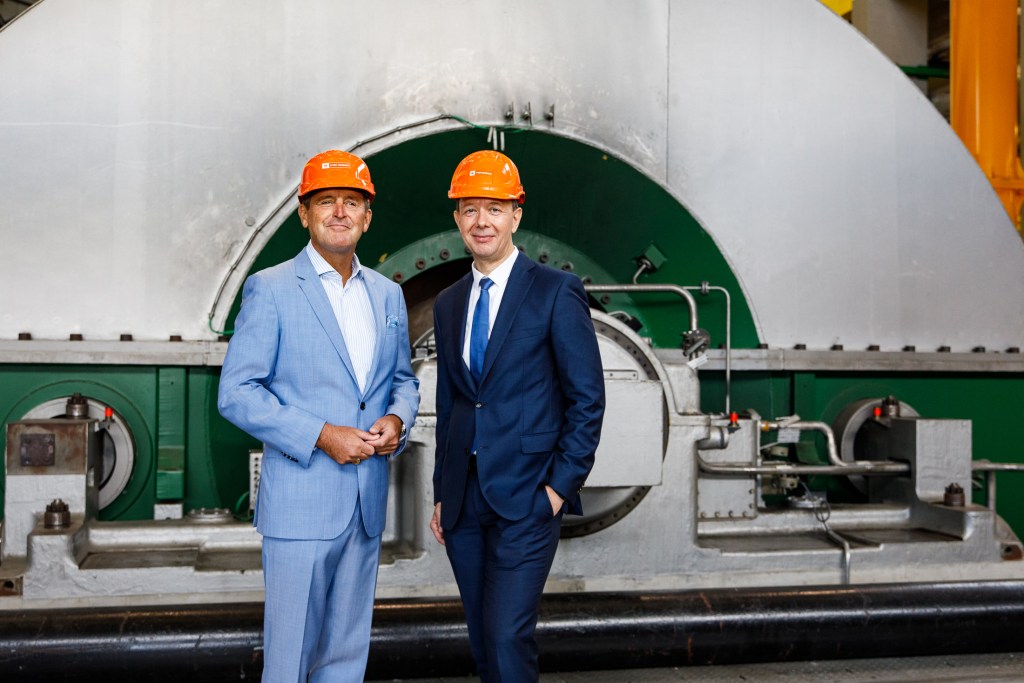
From the options available today, hydrogen is a promising alternative to fossil fuels with some companies, such as Wien Energie, already convinced of its benefits realising projects to test it as an alternative energy source.
The transformation of the Donaustadt power plant is not only a trailblazer for other companies, but also a clear signal that sustainable energy generation is the future.
Addressing physical climate risks is not just a regulatory requirement; it is a strategic imperative for businesses.
Martin Gary discusses whether the insurance industry is currently supporting the sustainable development of aviation, future trends and technologies being harnessed to meet ESG targets, and current restrictions impeding aviation’s sustainable future.
We invited stakeholders along the value chain to shed light on their strategies, new success models, opportunities and risks in the fight against climate change as part of a mini-series on the topic of “sustainable construction”.
General Manager of GrECo Sagauta, Katerina Pavlidi, recently met with Dr Tomas Kontautas, partner at the law firm Sorainen to discuss the sustainable development of the Baltic insurance market and just how green its future will be.
With the ESG spotlight upon us all, company’s need to meticulously craft their future communications strategies, making sure they truly understand the sustainable profile of their products, services, or activities.
The success of the global grid overhaul effort is instrumental to the success of green energy transition and indeed to the improvement of living conditions for the global population in this century and beyond. 
All over the world, uncertainty prevails. Action must be taken in the face of these turbulences while exploiting every possibility provided by available instruments.
Huge change is happening in all sectors of the marine insurance sector and cargo risks and associated insurances.
State-sponsored cyber-attacks usually exploit infrastructure weaknesses, gather information or skim off money to recover losses from sanctions.
Nowadays, risk management is more in demand than ever. By working in tandem with clients the insurance partner can help to shape the future.
Companies are exposed to various kinds of risks. At the same time, systemic transformation exacerbates existing risks and causes new risks to emerge.
Michael Kolb, Board Member at Acredia, talks about the political effects of the energy crisis and situation of the former Yugoslavian countries.
For Erne Fittings, the world’s leading supplier of butt-weld fittings, every safe connection is a strong pillar of success in risk and supply chain management
How can we increase flexibility and financial resilience in an ever-changing economical and geopolitical environment
The international insurance industry is no longer willing to agree on coverage for Russia and Belarus. The options for coverage in Ukraine are very limited.
What the world faces currently is not a single crisis. Some will define it as a “reset” – not a conspiratorial event, but a fundamental restructuring of economic rules, valuations, and mechanisms.
Lukáš Vodička, Group Practice Leader Trade Credit Specialties at GrECo Holding speaks with Gejza Trgiňa, Senior Underwriter at Atradius about what Czech exporters need to watch today and what it takes to build resilience when geopolitical unrest becomes a business issue, not background noise. 
We operate in a world where many risks – climate stress, new technologies, geopolitical dynamics – do not come with solid historical data. Waiting for certainty is not an option. 
Insurance should be viewed through the same lens as any other capital decision. Every Euro spent on premium competes directly with investment, growth, and operational priorities.
Vigilance, determination and seeing the world as it really is – as opposed to how we imagine it to be – are more  important than ever for today’s executives if Europe is to remain relevant in the world. 
In a time of overlapping crises, organisations are being asked to do more than adapt: they must stay human, fair, and effective under pressure
Gabriele Andratschke, Head of HR at GrECo Group, recently shared her expertise on multigeneration workforces with Lisbeth Lorenz
Strategic acquisition strengthens GrECo’s market position and enhances service offerings in Southeastern Europe.
Ewelina Jaworska-Bein delves into this transformative trend and highlights the myriad of benefits these healthcare apps are bring to organisations and their employees.
The most significant failures may not arise from technical problems alone, but from adopting AI without clear responsibilities, controls and decision boundaries.
For Vienna Airport, the value of AI lies less in individual flagship projects. Its real impact comes from the cumulative effect of many operational improvements.  
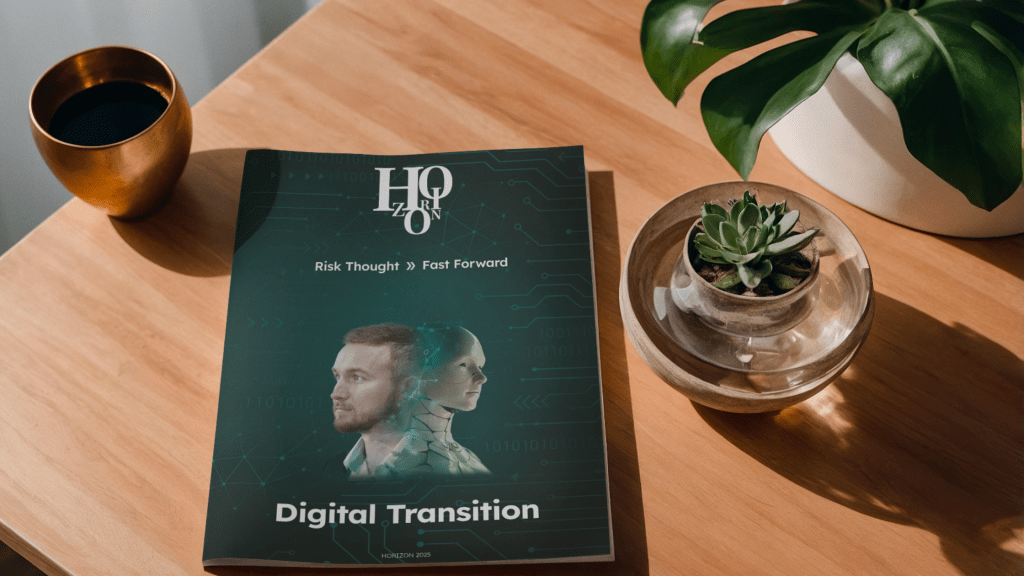
We are excited to announce the release of the 5th Horizon Risk Thought » Fast Forward publication!
In this exclusive interview, we bring together two leading voices on digital transformation in Central and Eastern Europe: Ursula Deschka, CEO of ERGO Baltics and Georg Winter, CEO of GrECo Group.
Peter Papp, sat down with Peter Bešina, founder of Paralla and Cryptodiggers, to discuss the evolution of cryptocurrencies.
Fear appeal is a common tactic to highlight the dangers of unsafe cyber behaviour in many cybersecurity awareness campaigns.
One practical application of AI is in the digitalization of HR processes. Tasks such as document management and onboarding can be streamlined, reducing errors and saving time.
Excessive reliance on devices is leading to “digital dementia,” a rise in memory lapses, diminished focus, and cognitive fatigue – even among youth and the workforce.
Digital transformation is reshaping higher education, but what does that really look like for universities on the ground?
Georg Winter

CEO GrECo Group

T +43 664 962 39 06