HORIZON Risk Thought >> Fast Forward

Our HORIZON initiative has always stood as a beacon for those who dare to strive forward in business. HORIZON is a platform where boundaries are pushed and the future is envisioned with clarity and determination.

This year, we embrace a renewed spirit of courage – a quality that is not simply admirable in business, but essential. This campaign brings together thinkers and innovators who are challenging the status quo across key areas – risk, sustainability, social change, technology, and governance. Their reflections invite you to consider what courage means personally: how it shapes your ambitions, fuels your imagination, and helps transform the ordinary into the extraordinary.

In the risk management context of these systemic transformations, we classified these “risk changers” that directly affect a company and use the terms:

  • “Environment in danger” for ecological,
  • “Beyond globalisation” for geopolitical,
  • “Digital transition” for technological and
  • “Social disruption” for social transformation.

We have created Horizon, firstly as a print publication and now as a platform for sharing the latest insights about ongoing transformations. Our risk specialists will continue to provide their expertise and knowledge to shine a light on the challenges of the future.

We have created HORIZON to share the latest insights about ongoing transformations.
Our risk specialists provide their expertise and knowledge to shine a light on the challenges of the future.

Discover all their latest insights, thoughts and viewpoints, or choose from our systemic risk categories to find out more.

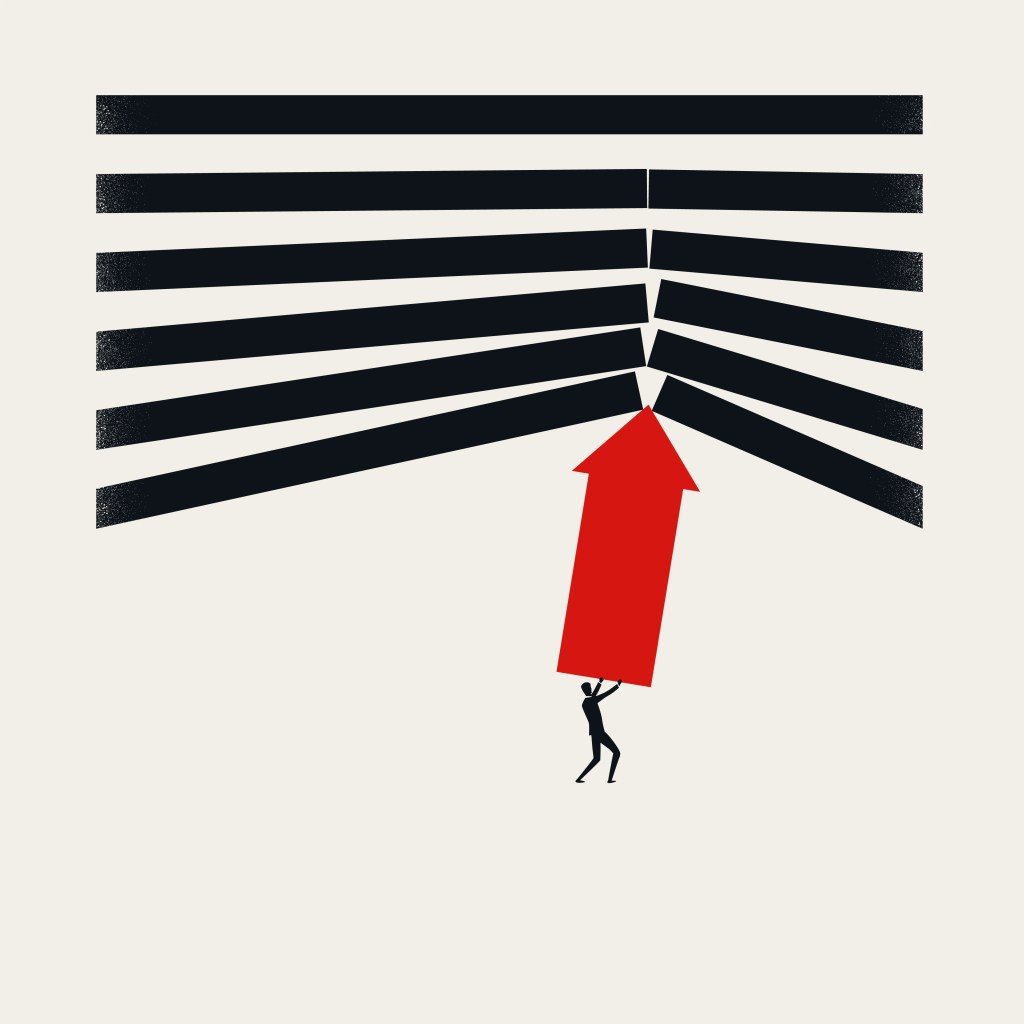
Finding the right speed and assessing the market correctly is the biggest challenge. Transformation must take place, but at what speed?
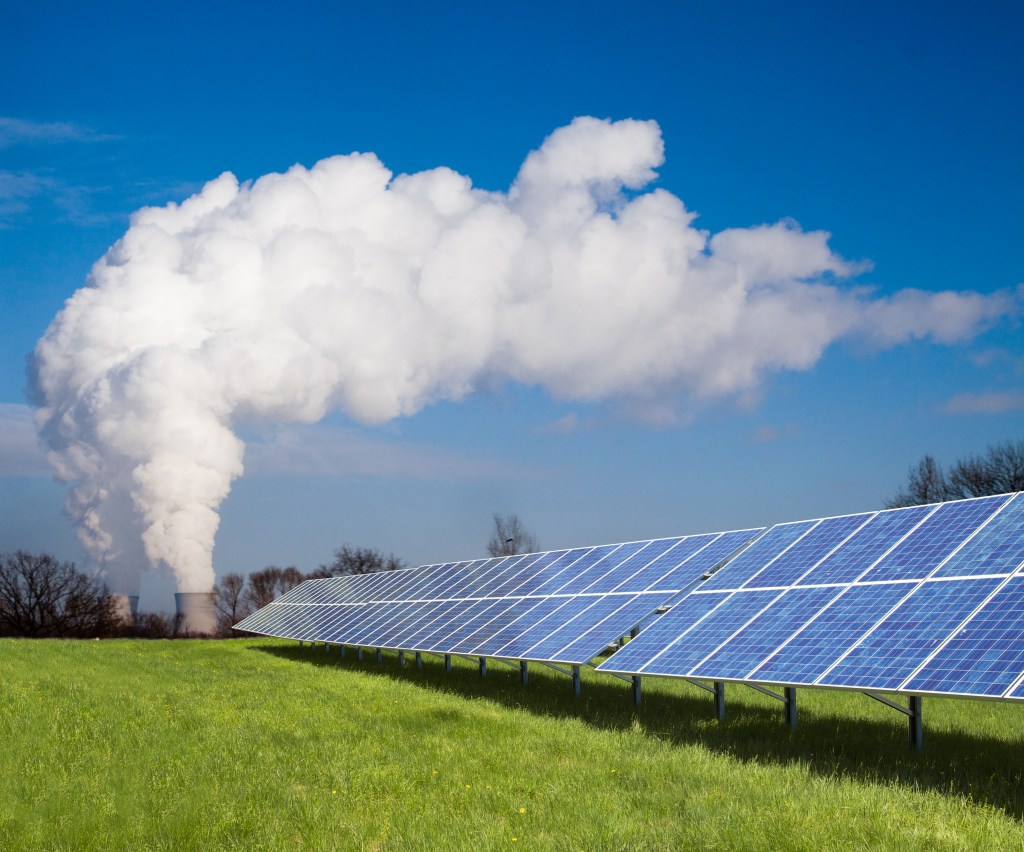
DECCI is a Czech energy group founded in 2007, focused on modern and renewable energy sources. DECCI pioneered renewables with one of the first solar power plants in the Czech Republic.
Nearly one in four companies in Romania (23%) has already experienced a cyberattack, yet many still treat the risk as moderate until disruption becomes real.
Daniel’s message to companies is simple: give people with disabilities the chance to do an apprenticeship, show appreciation, and make work assistance available. 
The courageous move is not the grand statement. It is the willingness to be inconvenienced, today, for fairness, and to take responsibility for impact, not just intent. 
Fragmentation is usually discussed as a weakness. However, I believe that for the Georgian insurance market, it can also be an advantage.  
Through directives and requirements, we try to improve cybersecurity in general. But in cybersecurity, the courage to transform does not lie only in adopting new technologies.
What the world faces currently is not a single crisis. Some will define it as a “reset” – not a conspiratorial event, but a fundamental restructuring of economic rules, valuations, and mechanisms.
Lukáš Vodička, Group Practice Leader Trade Credit Specialties at GrECo Holding speaks with Gejza Trgiňa, Senior Underwriter at Atradius about what Czech exporters need to watch today and what it takes to build resilience when geopolitical unrest becomes a business issue, not background noise. 
Companies are exposed to various kinds of risks. At the same time, systemic transformation exacerbates existing risks and causes new risks to emerge.
Insurers are faced with a challenge during the energy transition. The past loss experience can no longer be used for predictive scenarios. New risks will emerge.
Comprehensive risk analyses combined with a presentation of the risks will be necessary for a successful renewal.
Amongst those most affected by decarbonisation efforts is the financial services industry, such as equity investors, lenders and insurers.
New modelling and technical tools are being utilised more than ever as insurers want to understand the complex technicalities of cargo risks.
 The insurance sector has adopted the ESG targets with every company developing an ESG strategy. The sector is particularly affected by climate change,
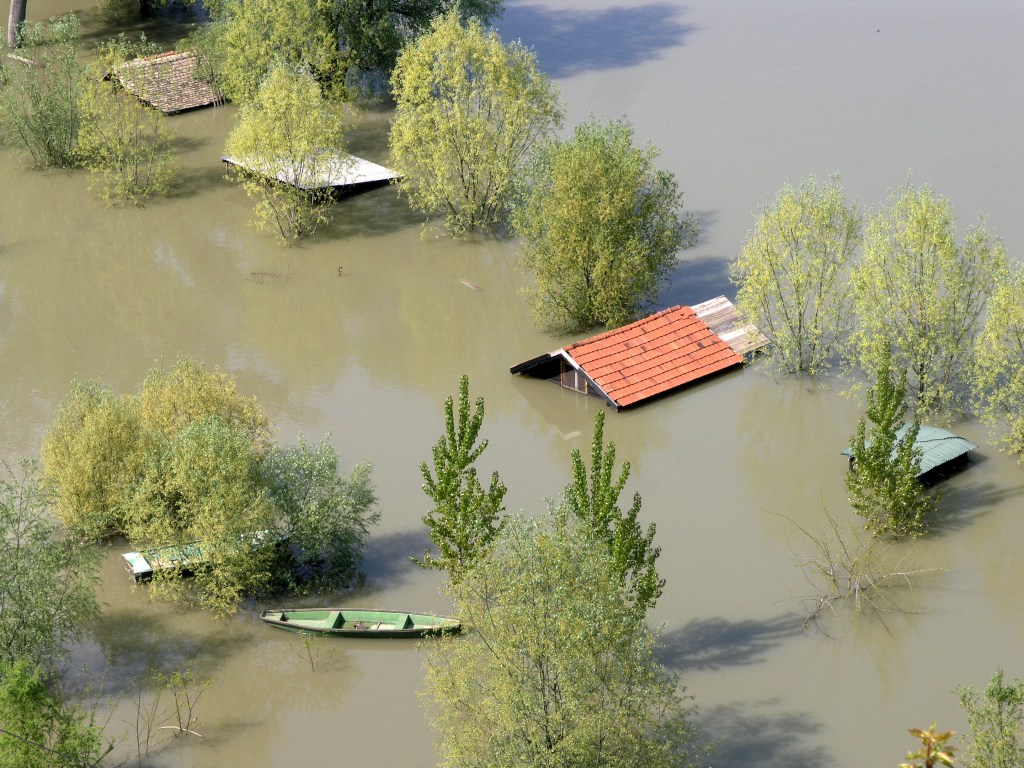
The prevention of damage from severe weather events will play an important role in future risk management.
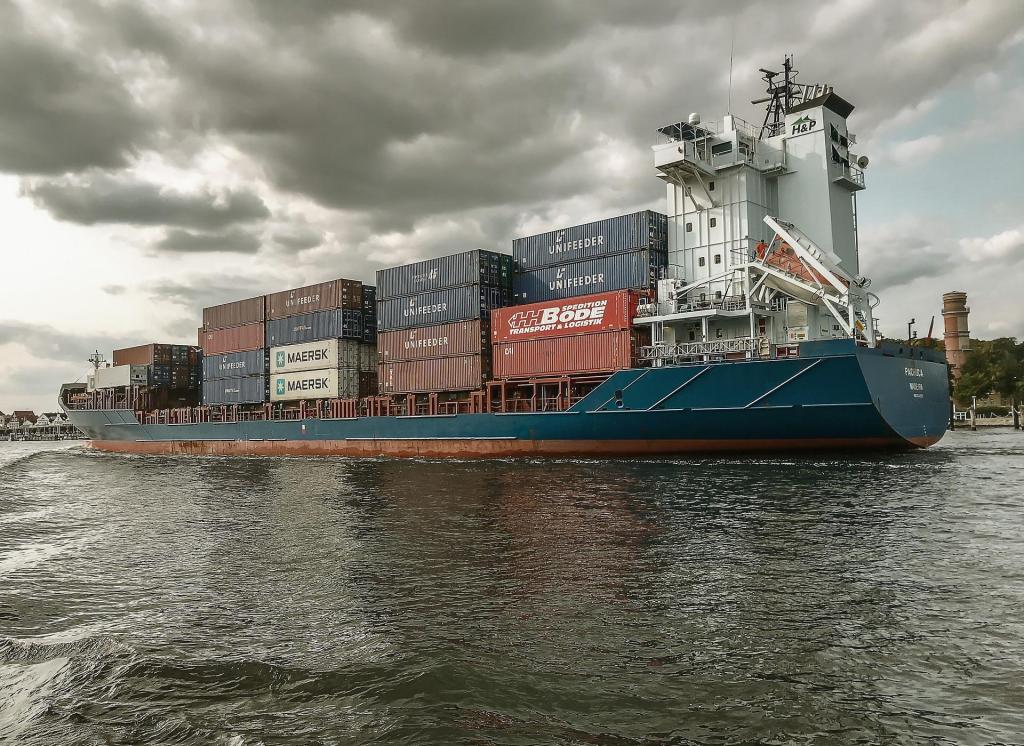
The international shipping industry produced just over one billion tons of greenhouse gases (GHG) in 2018, almost 10% more than in 2012.
Environmental protection and measures curbing climate change have not lost their geopolitical and socio-political relevance during the pandemic.
Europe needs to cover gas demand with alternative sources. The EU energy security is compromised if there is no diversification to cover Russian gas imports.
Since the outbreak of the Corona pandemic two years ago, disrupted supply chains have threatened the existence of many companies.
The value of intangible relative to tangible cor­porate assets has steadily increased. Emerging risks threaten the value of both tangible and intangible assets.
With new insurers having entered the market in the past few months, we should see a dampening of the price increases we experienced in the previous two years.
On average, premium rates are expected to increase between 5% to 10%, even for policies with a no-claim history.
An interview with Martin Cerny and Jörg Schönenborn, Telecommunication Executives, and Andreas Schmitt, Insurance Professional.
In the last two years, supply chains were exposed to unforeseen risks. The impact of the pandemic, Evergiven’s blockade of the Suez Canal, or the recent disruptions as a result of Russia’s attack on Ukraine, to name a few. What else must we prepare for?
Finding the right speed and assessing the market correctly is the biggest challenge. Transformation must take place, but at what speed?
DECCI is a Czech energy group founded in 2007, focused on modern and renewable energy sources. DECCI pioneered renewables with one of the first solar power plants in the Czech Republic.
Nearly one in four companies in Romania (23%) has already experienced a cyberattack, yet many still treat the risk as moderate until disruption becomes real.
Daniel’s message to companies is simple: give people with disabilities the chance to do an apprenticeship, show appreciation, and make work assistance available. 
The courageous move is not the grand statement. It is the willingness to be inconvenienced, today, for fairness, and to take responsibility for impact, not just intent. 
Fragmentation is usually discussed as a weakness. However, I believe that for the Georgian insurance market, it can also be an advantage.  
Through directives and requirements, we try to improve cybersecurity in general. But in cybersecurity, the courage to transform does not lie only in adopting new technologies.
What the world faces currently is not a single crisis. Some will define it as a “reset” – not a conspiratorial event, but a fundamental restructuring of economic rules, valuations, and mechanisms.
Lukáš Vodička, Group Practice Leader Trade Credit Specialties at GrECo Holding speaks with Gejza Trgiňa, Senior Underwriter at Atradius about what Czech exporters need to watch today and what it takes to build resilience when geopolitical unrest becomes a business issue, not background noise. 
How will global insurance and reinsurance adapt to new challenges and navigate the stormy waters of the 21st century?
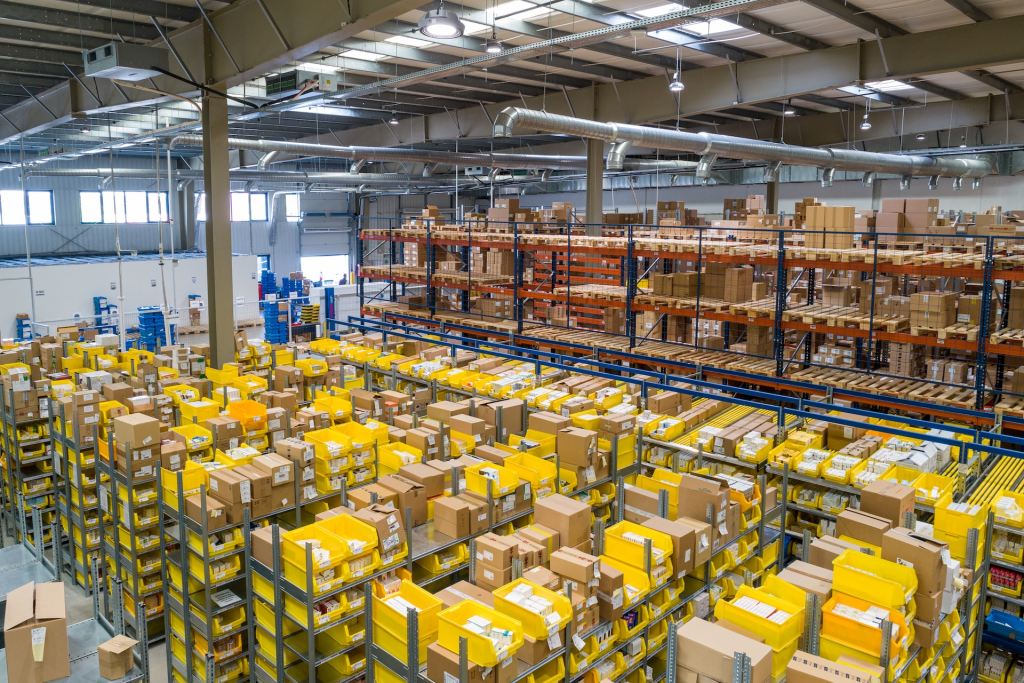
Driverless transport systems, packaging, loading and reloading are already typical robotic examples which will gain in importance.
The Covid-19 pandemic has accelerated existing trends which will continue to shape the real estate sector in the years to come.
Motor insurance used to be a pretty standardised product. This will change.
There are three megatrends which will affect the entire healthcare system in the near future: an increasing and aging population, lack of medical staff as well as a rising dependency on new technologies
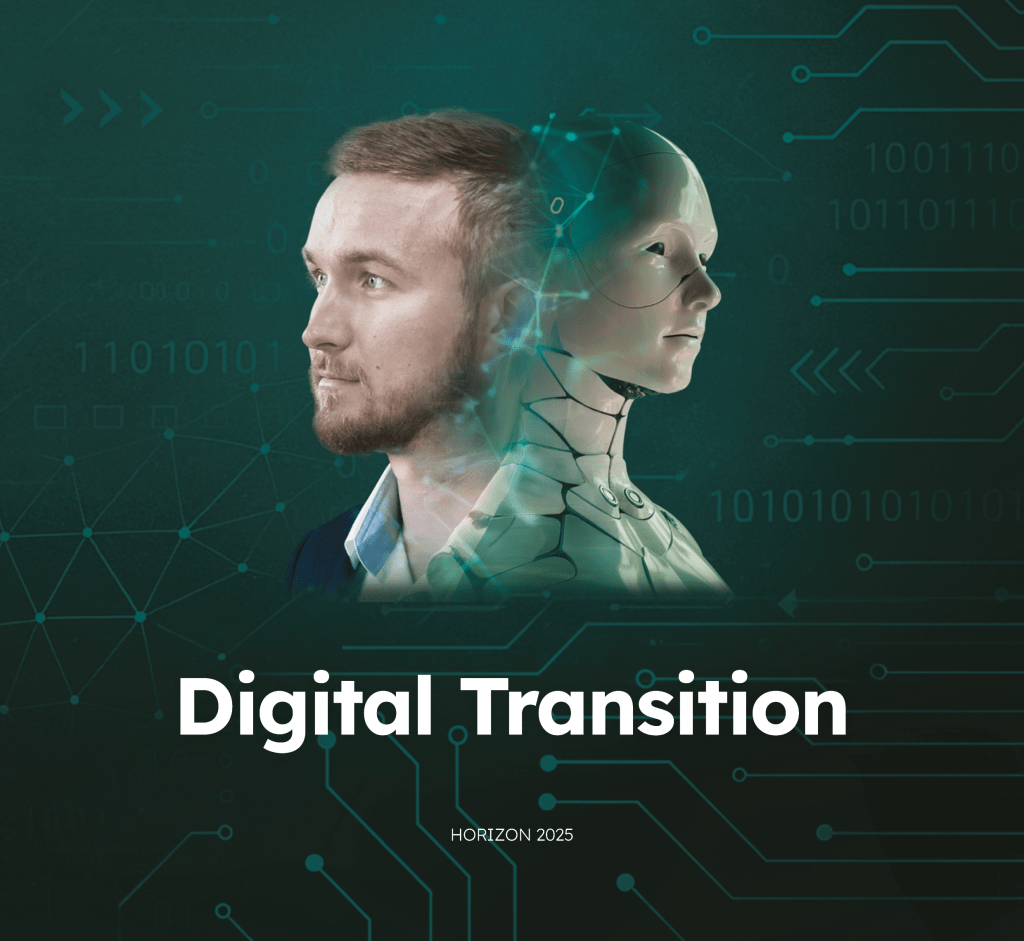
At the same time and with increasing urbanisation, infrastructure and smart city developments, a stronger focus will be put on making infrastructure and transport more efficient and sustainable.
Traditional B2B and B2C companies are increasingly working together and are increasingly building a new B2B2C business (Business to Business to Customer). “Affinity” is the buzzword of the hour.
For industries to remain properly insured, we must be able to quantify the severity of a drought.

Dive deep into our HORIZON print edition which focuses on various transformations and looks at all the challenges they pose from different angles.

Georg Winter

CEO GrECo Group

T +43 664 962 39 06