Ecological transformation and ecological risks

Ecological Transformation

When we look at climate change, we refer to climate risks. They are apparent in form of a change or an increased exposure to natural disasters, such as floods, storms, and hail as well as heat, drought or a rising sea level. As far as companies are concerned, these risks can cause anything from material damage to disruptions of transport routes, energy, or raw material supplies.

In the fight against climate change, many companies have decarbonised their processes or developed sustainable products. Saving resources and taking advantage of new opportunities are key focal points. However, new products and processes lead to new risks that must be identified at an early stage.

We are undergoing times of permanent change, which many refer to as systemic transformation or multiple crises strung together. This change takes place in different fields and segments. They, in turn, are interlinked at various levels. HORIZON’s risk-oriented approach aims to define and outline the key areas of change affecting your company. In doing so, we take a close look at the systemic influences of ecological, geopolitical, technological and social transformation on your company’s risk landscape.

Read what our risk expert had to share regarding the future of ecological risks in front of us.

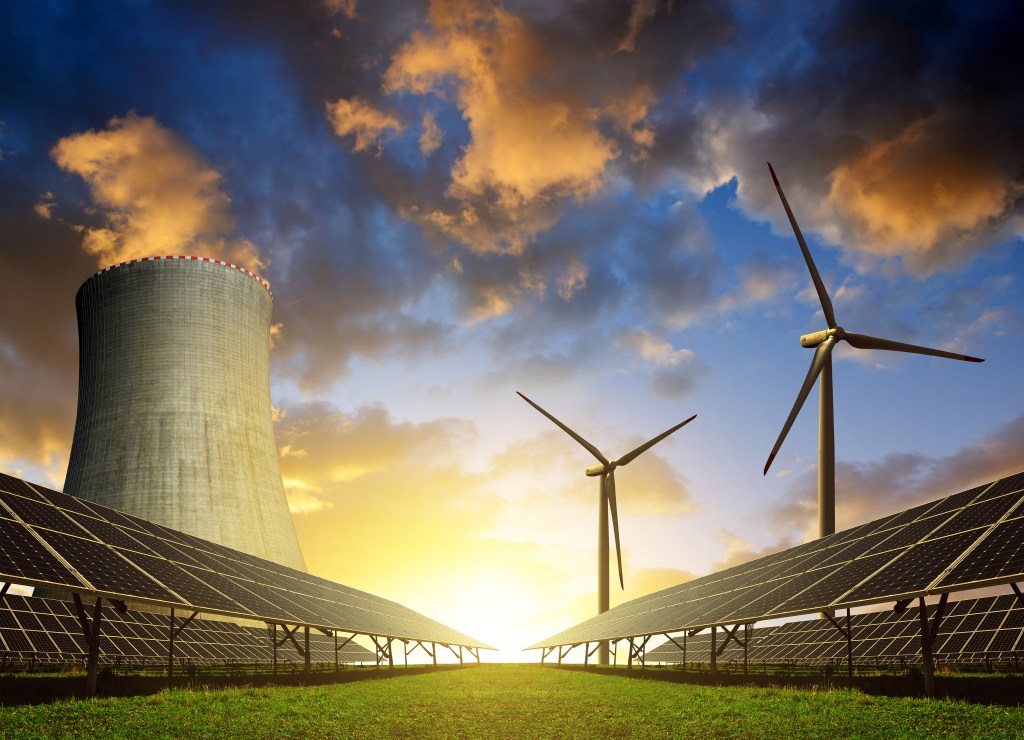
From the options available today, hydrogen is a promising alternative to fossil fuels with some companies, such as Wien Energie, already convinced of its benefits realising projects to test it as an alternative energy source.
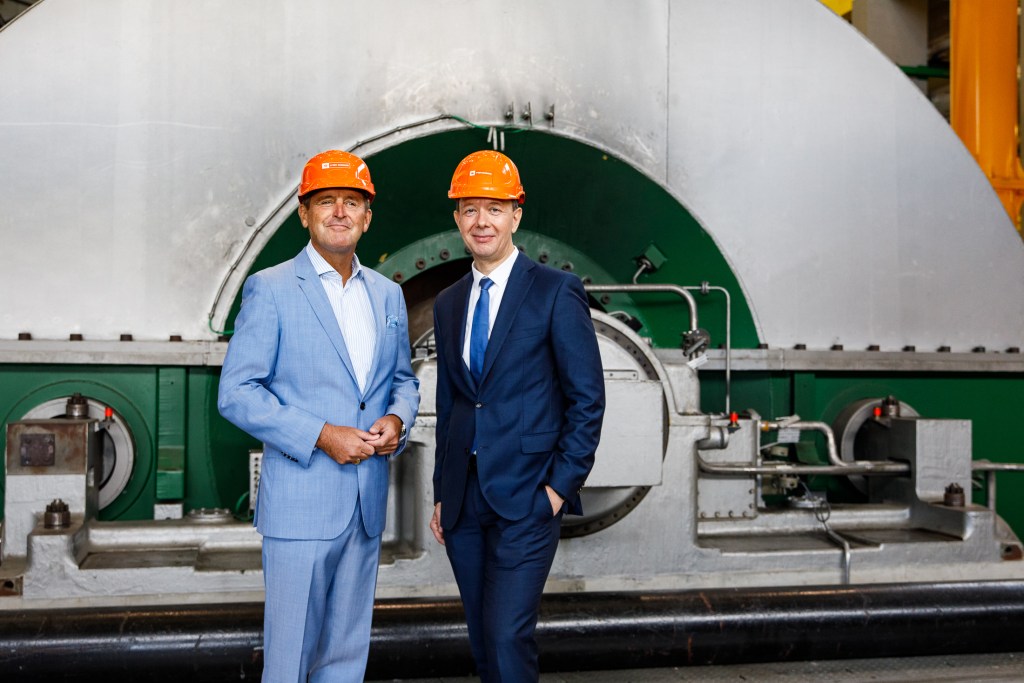
The transformation of the Donaustadt power plant is not only a trailblazer for other companies, but also a clear signal that sustainable energy generation is the future.
Addressing physical climate risks is not just a regulatory requirement; it is a strategic imperative for businesses.
Martin Gary discusses whether the insurance industry is currently supporting the sustainable development of aviation, future trends and technologies being harnessed to meet ESG targets, and current restrictions impeding aviation’s sustainable future.
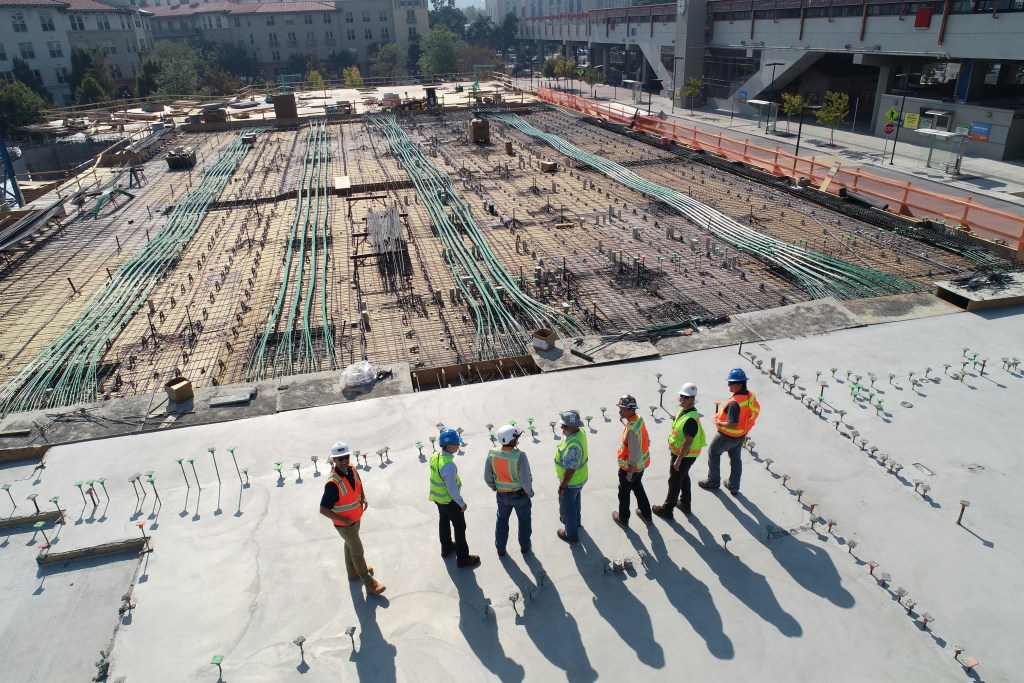
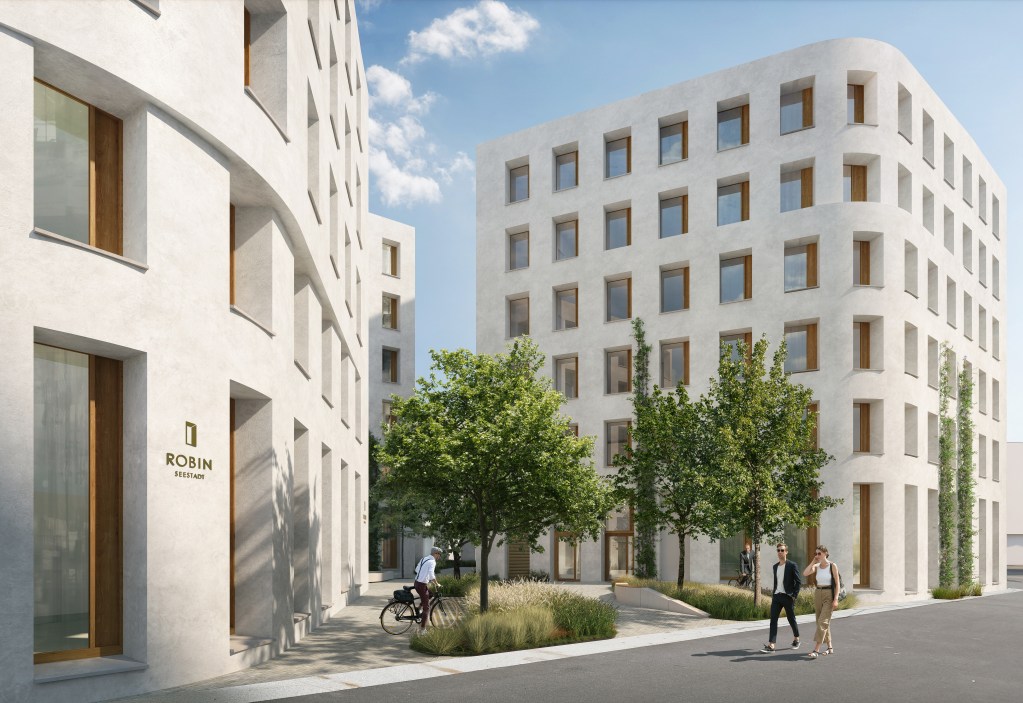
We invited stakeholders along the value chain to shed light on their strategies, new success models, opportunities and risks in the fight against climate change as part of a mini-series on the topic of “sustainable construction”.
General Manager of GrECo Sagauta, Katerina Pavlidi, recently met with Dr Tomas Kontautas, partner at the law firm Sorainen to discuss the sustainable development of the Baltic insurance market and just how green its future will be.
With the ESG spotlight upon us all, company’s need to meticulously craft their future communications strategies, making sure they truly understand the sustainable profile of their products, services, or activities.
The success of the global grid overhaul effort is instrumental to the success of green energy transition and indeed to the improvement of living conditions for the global population in this century and beyond. 
Erwin Soravia, CEO of SORAVIA, talks to Fritz Neubrand, Chairman of the Supervisory Board of the GrECo Group, about the property developer’s responsibility in terms of sustainability, and how innovation and technology can strengthen the industry’s climate resilience.

Georg Winter

CEO GrECo Group

T +43 664 962 39 06