HORIZON Risk Thought >> Fast Forward

Our HORIZON initiative has always stood as a beacon for those who dare to strive forward in business. HORIZON is a platform where boundaries are pushed and the future is envisioned with clarity and determination.

This year, we embrace a renewed spirit of courage – a quality that is not simply admirable in business, but essential. This campaign brings together thinkers and innovators who are challenging the status quo across key areas – risk, sustainability, social change, technology, and governance. Their reflections invite you to consider what courage means personally: how it shapes your ambitions, fuels your imagination, and helps transform the ordinary into the extraordinary.

In the risk management context of these systemic transformations, we classified these “risk changers” that directly affect a company and use the terms:

  • “Environment in danger” for ecological,
  • “Beyond globalisation” for geopolitical,
  • “Digital transition” for technological and
  • “Social disruption” for social transformation.

We have created Horizon, firstly as a print publication and now as a platform for sharing the latest insights about ongoing transformations. Our risk specialists will continue to provide their expertise and knowledge to shine a light on the challenges of the future.

We have created HORIZON to share the latest insights about ongoing transformations.
Our risk specialists provide their expertise and knowledge to shine a light on the challenges of the future.

Discover all their latest insights, thoughts and viewpoints, or choose from our systemic risk categories to find out more.

As digital technologies reshape modern life in Central and Eastern Europe, balancing connectivity and mental well-being has become vital.
Digital humans – Digi Humans – are AI-powered personalities who can have conversations, express emotions, and convey information in a way that feels natural and human.
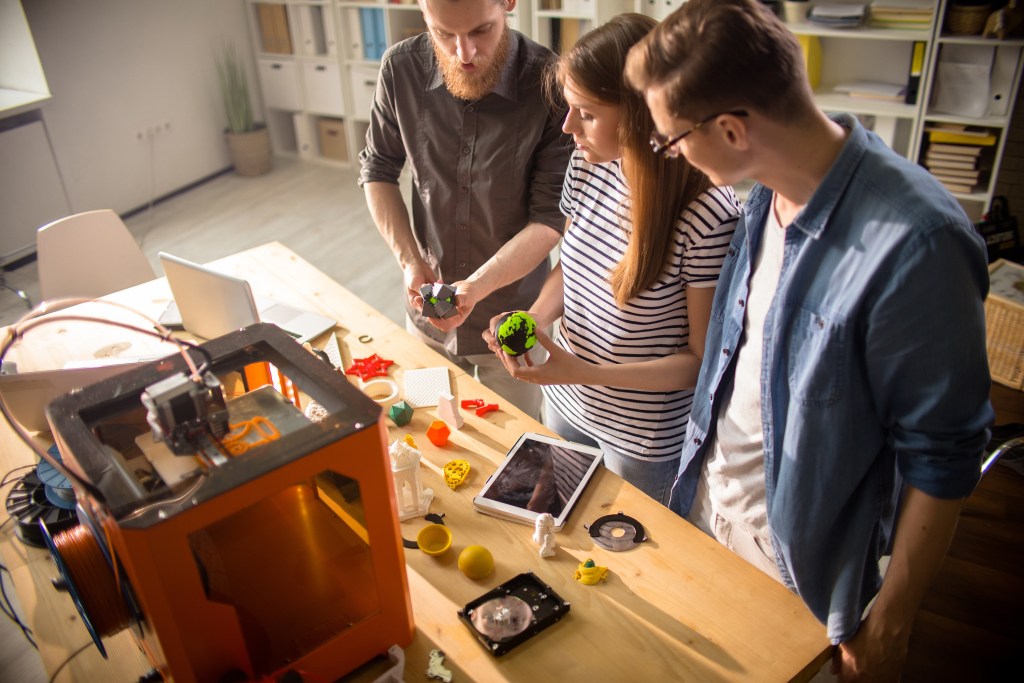
The company’s influence is such that its proprietary filament brand, “Prusament,” has entered common parlance among retailers and users alike.
By examining data centres, artificial intelligence, and cryptocurrencies, Ketzer highlights how digital progress brings ecological and social risks that are too often ignored.
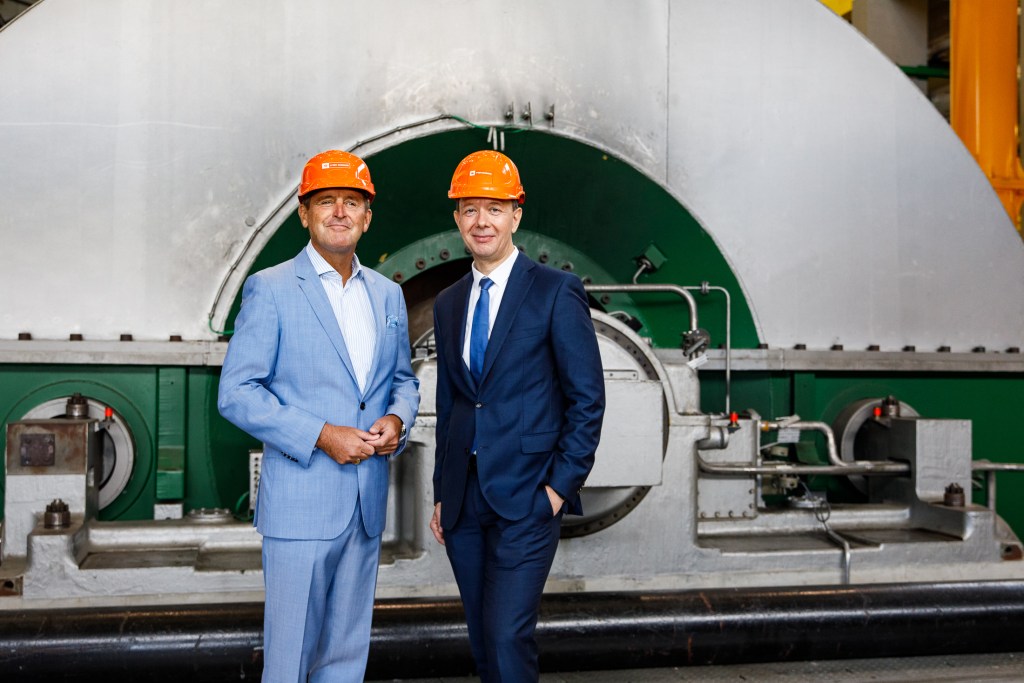
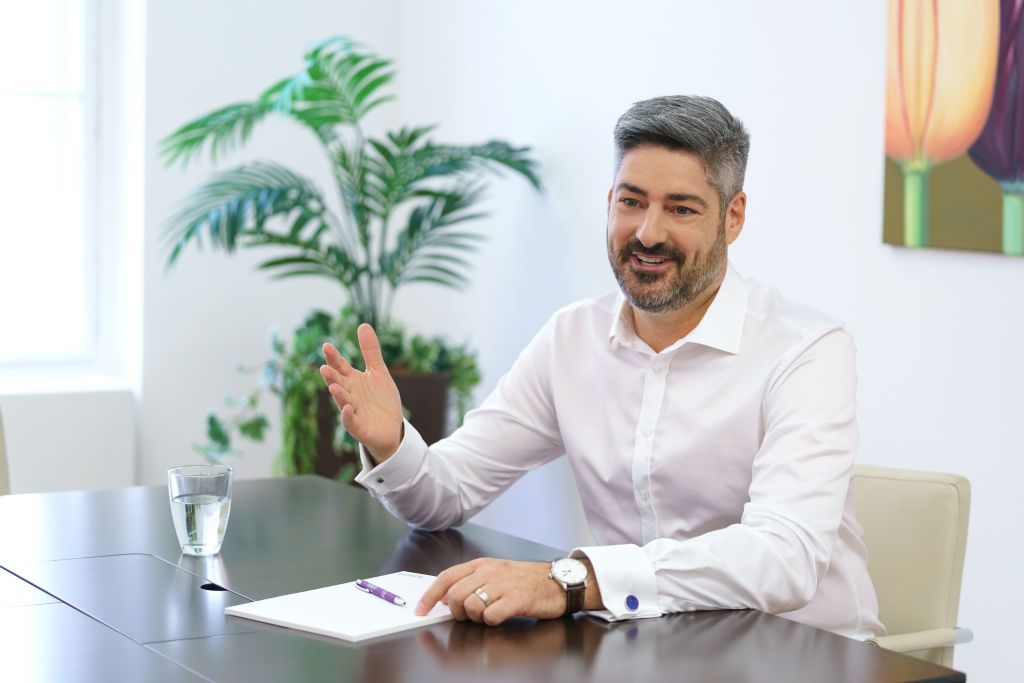
Georg Winter, CEO of GrECo Group, and Siemens Austria’s CEO Patricia Neumann discussed how AI is transforming industry, work, and governance
In a world rapidly advancing toward quantum computing, have we underestimated the risks and will our reluctance to act now leave our digital world exposed and vulnerable?
How technology will contribute to increasing resilience and why personal responsibility is an important part of risk management.
In an era where artificial intelligence is woven into every aspect of business, the hidden dangers of unsanctioned AI tools are increasingly coming to light.
During a recent panel discussion organised by GrECo Czech Republic, experts in insurance and cyber security examined the most critical cybersecurity challenges and strategies.
From the options available today, hydrogen is a promising alternative to fossil fuels with some companies, such as Wien Energie, already convinced of its benefits realising projects to test it as an alternative energy source.
The transformation of the Donaustadt power plant is not only a trailblazer for other companies, but also a clear signal that sustainable energy generation is the future.
Addressing physical climate risks is not just a regulatory requirement; it is a strategic imperative for businesses.
Martin Gary discusses whether the insurance industry is currently supporting the sustainable development of aviation, future trends and technologies being harnessed to meet ESG targets, and current restrictions impeding aviation’s sustainable future.
We invited stakeholders along the value chain to shed light on their strategies, new success models, opportunities and risks in the fight against climate change as part of a mini-series on the topic of “sustainable construction”.

General Manager of GrECo Sagauta, Katerina Pavlidi, recently met with Dr Tomas Kontautas, partner at the law firm Sorainen to discuss the sustainable development of the Baltic insurance market and just how green its future will be.
With the ESG spotlight upon us all, company’s need to meticulously craft their future communications strategies, making sure they truly understand the sustainable profile of their products, services, or activities.
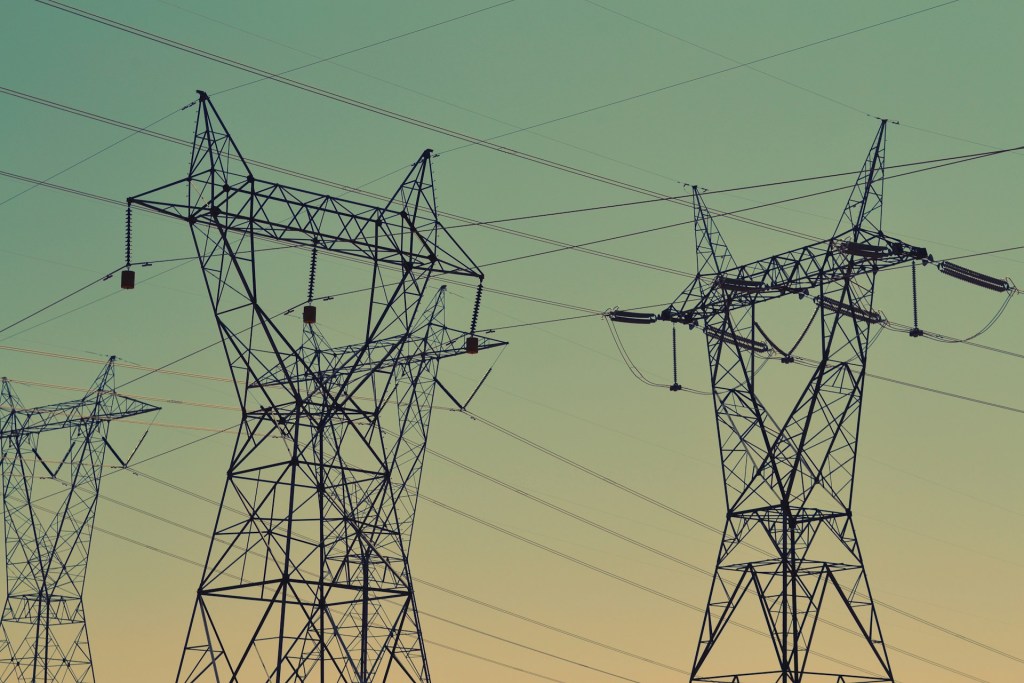
The success of the global grid overhaul effort is instrumental to the success of green energy transition and indeed to the improvement of living conditions for the global population in this century and beyond. 
Erwin Soravia, CEO of SORAVIA, talks to Fritz Neubrand, Chairman of the Supervisory Board of the GrECo Group, about the property developer’s responsibility in terms of sustainability, and how innovation and technology can strengthen the industry’s climate resilience.
All over the world, uncertainty prevails. Action must be taken in the face of these turbulences while exploiting every possibility provided by available instruments.
Huge change is happening in all sectors of the marine insurance sector and cargo risks and associated insurances.
State-sponsored cyber-attacks usually exploit infrastructure weaknesses, gather information or skim off money to recover losses from sanctions.
Nowadays, risk management is more in demand than ever. By working in tandem with clients the insurance partner can help to shape the future.
Companies are exposed to various kinds of risks. At the same time, systemic transformation exacerbates existing risks and causes new risks to emerge.
Michael Kolb, Board Member at Acredia, talks about the political effects of the energy crisis and situation of the former Yugoslavian countries.
For Erne Fittings, the world’s leading supplier of butt-weld fittings, every safe connection is a strong pillar of success in risk and supply chain management
How can we increase flexibility and financial resilience in an ever-changing economical and geopolitical environment
The international insurance industry is no longer willing to agree on coverage for Russia and Belarus. The options for coverage in Ukraine are very limited.
Many hidden vulnerabilities can be unearthed if you are a bit creative. The key question is: can we live with the outcome? And then you need to give an honest answer.
Where does AI fit into the current policies as it stands, and what could the likely issues be?
We spoke with three leaders from different industries about energy independence in Europe.
 Paul Johannes Spittau explores transformation with Olivera Böhm-Rybak, Chief Corporate Business Officer International and CEO of UNIQA Sustainable Business Solutions.
MGAs operate within authority granted by insurers, with responsibility for underwriting, policy issuance, portfolio management and, depending on the model, claims support or coordination.
Closing the volatility gap means moving beyond reactive risk transfer.
For both infrastructure and real estate to survive, the corporate risk manual needs to be rewritten.
AI can generate information for us, but we still need the intelligence and judgement to understand and interpret it for a particular client.  
How will global insurance and reinsurance adapt to new challenges and navigate the stormy waters of the 21st century?
Driverless transport systems, packaging, loading and reloading are already typical robotic examples which will gain in importance.
The Covid-19 pandemic has accelerated existing trends which will continue to shape the real estate sector in the years to come.
Motor insurance used to be a pretty standardised product. This will change.
There are three megatrends which will affect the entire healthcare system in the near future: an increasing and aging population, lack of medical staff as well as a rising dependency on new technologies
At the same time and with increasing urbanisation, infrastructure and smart city developments, a stronger focus will be put on making infrastructure and transport more efficient and sustainable.
Traditional B2B and B2C companies are increasingly working together and are increasingly building a new B2B2C business (Business to Business to Customer). “Affinity” is the buzzword of the hour.
For industries to remain properly insured, we must be able to quantify the severity of a drought.

Dive deep into our HORIZON print edition which focuses on various transformations and looks at all the challenges they pose from different angles.

Georg Winter

CEO GrECo Group

T +43 664 962 39 06