HORIZON Risk Thought >> Fast Forward

The complexity of today´s risk environment is changing at an accelerating pace, making risk management even more challenging. We address these challenges by highlighting underlying systemic transformations and their implications for future risk and insurance management in various sectors.

In the risk management context of these systemic transformations, we classified these “risk changers” that directly affect a company and use the terms:

  • “Environment in danger” for ecological,
  • “Beyond globalisation” for geopolitical,
  • “Digital transition” for technological and
  • “Social disruption” for social transformation

In the risk management context of these systemic transformations, we classified these “risk changers” that directly affect a company and use the terms:

  • “Environment in danger” for ecological,
  • “Beyond globalisation” for geopolitical,
  • “Digital transition” for technological and
  • “Social disruption” for social transformation.

We have created Horizon, firstly as a print publication and now as a platform for sharing the latest insights about ongoing transformations. Our risk specialists will continue to provide their expertise and knowledge to shine a light on the challenges of the future.
We have created HORIZON to share the latest insights about ongoing transformations.
Our risk specialists provide their expertise and knowledge to shine a light on the challenges of the future.

Discover all their latest insights, thoughts and viewpoints, or choose from our systemic risk categories to find out more.

The United Nations has recently indicated that the youth of today have the most positive outlook on Artificial Intelligence (AI) with an astonishing 93.2% stating they feel positive about it
82% of Gen Z will buy a car with a combustion engine. 
62% of the younger generation believe being vegetarian is a good way to help save the environment.
Companies need to think through these topics on time and think them through strategically, so they can build up strategic competitive advantages
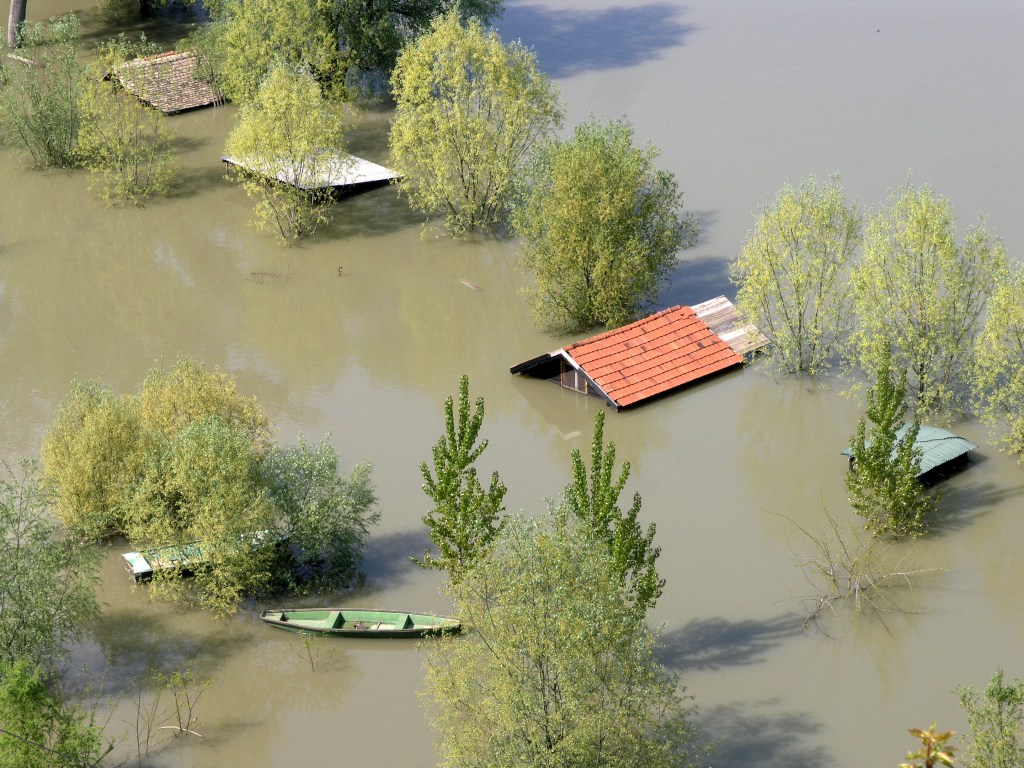
August 2023 saw horrific flooding in Slovenia as a month´s worth of rain fell in just 24 hours. We ask: How can politics help in such a crisis?
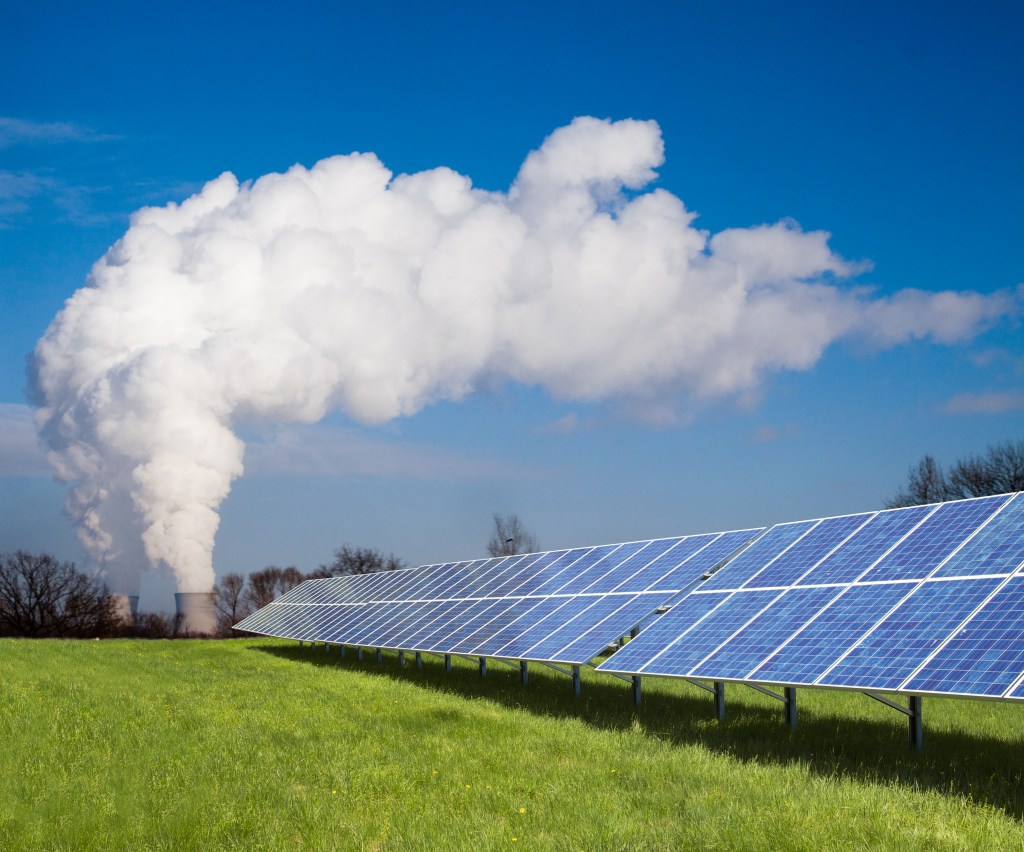
Small steps by every business and every individual today will make a huge impact on our environmental footprint in the long run. We should all be thinking of cleantech living and doing whatever we can to help reduce our environmental footprint.
Austrian Post has laid the right tracks for vehicle fleet sustainability in the haulage and logistics industry with its future-oriented strategy.
Organic farming is not only about healthy food, but also about using practices that make our agriculture sustainable and resistant to climate change for many generations to come.
Despite Austrians receiving more and more parcels every year, by converting its fleet, Austrian Post AG is still managing to reduce its emissions.  Daniel-Sebastian Mühlbach, Head of CSR & Environmental Management, and Paul Janacek, Head of Group Vehicle Fleet at Austrian Post tell us how.
Companies are exposed to various kinds of risks. At the same time, systemic transformation exacerbates existing risks and causes new risks to emerge.
Insurers are faced with a challenge during the energy transition. The past loss experience can no longer be used for predictive scenarios. New risks will emerge.
Comprehensive risk analyses combined with a presentation of the risks will be necessary for a successful renewal.
Amongst those most affected by decarbonisation efforts is the financial services industry, such as equity investors, lenders and insurers.
New modelling and technical tools are being utilised more than ever as insurers want to understand the complex technicalities of cargo risks.
 The insurance sector has adopted the ESG targets with every company developing an ESG strategy. The sector is particularly affected by climate change,
The prevention of damage from severe weather events will play an important role in future risk management.
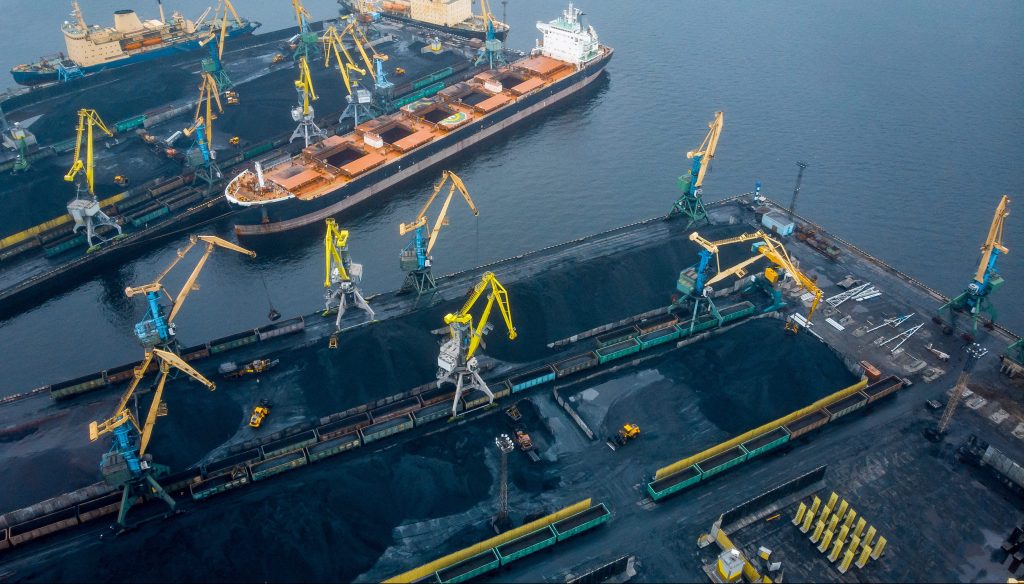
The international shipping industry produced just over one billion tons of greenhouse gases (GHG) in 2018, almost 10% more than in 2012.
Environmental protection and measures curbing climate change have not lost their geopolitical and socio-political relevance during the pandemic.
Emerging risks and new threats that are hard to grasp and estimate are a much-discussed topic. Add to that today’s increasing number of Black Swan events. These are unprecedented and unexpected events which nobody could have imagined, making them almost impossible to predict.
According to the International Monetary Fund food and energy are the main drivers of today’s inflation. That is obvious to each of us as we pay more for both food and energy these days.
Max Pernsteiner, Vice President Global Purchasing & Supply Chain at ENGEL Austria GmbH, spoke with Johannes Vogl, General Manager at GrECo Risk Engineering GmbH, about supply chains and their risks.
In the last two years, supply chains were exposed to unforeseen risks. The impact of the pandemic, Evergiven’s blockade of the Suez Canal, or the recent disruptions as a result of Russia’s attack on Ukraine, to name a few. What else must we prepare for?
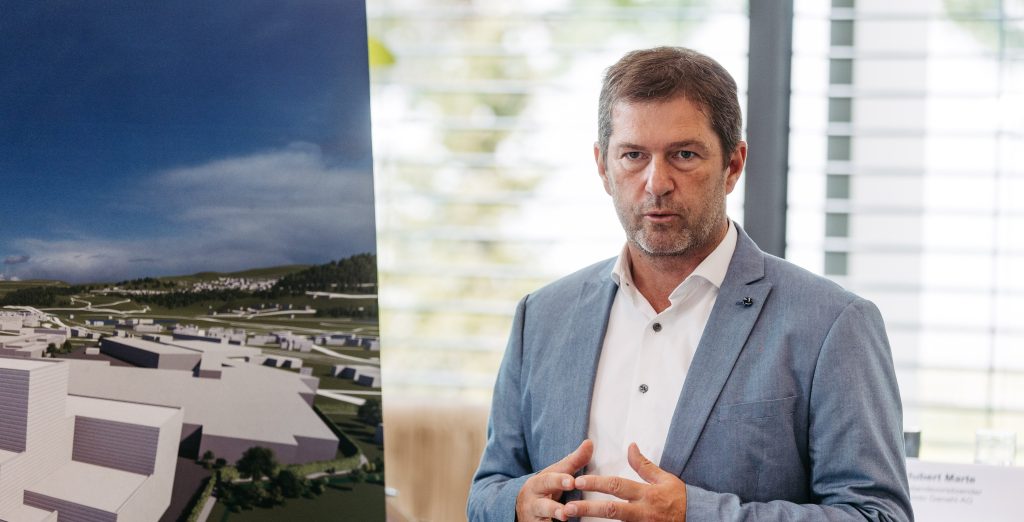
Krystle Lippert, Strategic Sales Manager at GrECo in Austria, has spoken with Dr. Gerald Dums, Head of Purchase of Technical Equipment & Logistics at Donau Chemie AG about supply chain problems and procurement and logistics resilience.
Our multipolar world and its myriad of geopolitical forces presents us and our clients with a vast, multidimensional array of risks. As bleak as this may sound, geopolitics and its impact on energy also offers a number of opportunities.
With the aftershocks of the pandemic, the ripple effects of the Ukraine war, and more frequent and severe natural catastrophes that affect our climate and today’s population, we are at a crossroads, and the construction sector is no exception.
For the past years and certainly since 24 February 2022, we have had many opportunities to witness the power of geopolitics, its decisive impact on domestic and international politics and the supply of energy throughout the world.
All over the world, uncertainty prevails. Action must be taken in the face of these turbulences while exploiting every possibility provided by available instruments.
Gabriele Andratschke, Head of HR at GrECo Group, recently shared her expertise on multigeneration workforces with Lisbeth Lorenz
Strategic acquisition strengthens GrECo’s market position and enhances service offerings in Southeastern Europe.
Ewelina Jaworska-Bein delves into this transformative trend and highlights the myriad of benefits these healthcare apps are bring to organisations and their employees.
This article explores how a health and organisational psychologist played a pivotal role in easing the merger transition at GrECo Hungary.
Ewelina Jaworska-Bien, Group Practice Leader for Health & Benefit at GrECo Specialty, shares her insights on the hot topic of the gender pay gap.
In recent years, Europe has been grappling with a serious labour shortage which is impacting nearly all economic sectors due to an ageing population, low birth rates, and migration.
Generation Alpha is the first generation to be born entirely in the digital age. This digital fluency presents both opportunities and challenges for organisations.
An air gap is the physical separation between critical systems and public networks theoretically minimising the risk of cyberattacks. 
The recruitment landscape in real estate is becoming increasingly competitive, and companies need to differentiate themselves to attract top talent.
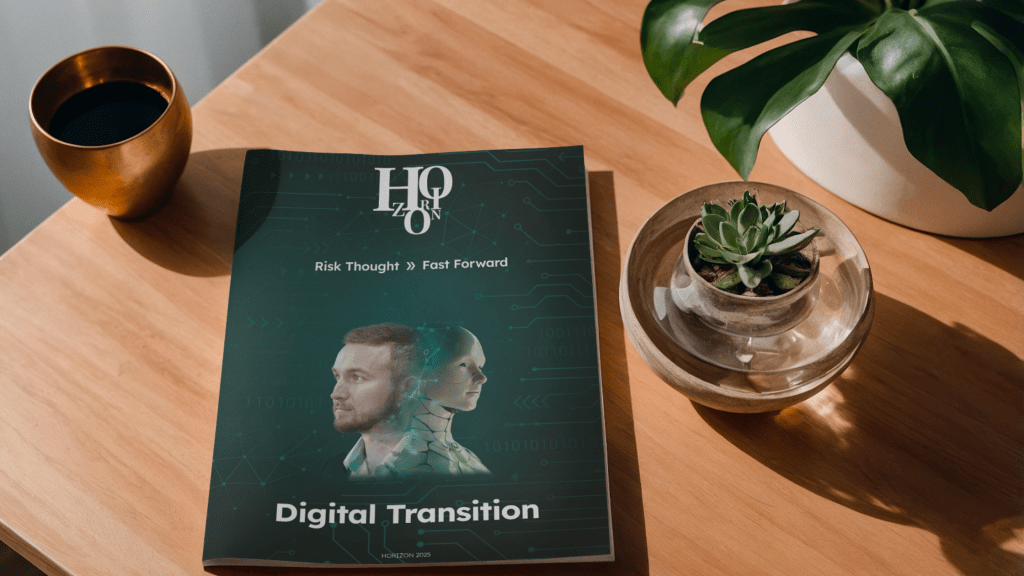
We are excited to announce the release of the 5th Horizon Risk Thought » Fast Forward publication!
In this exclusive interview, we bring together two leading voices on digital transformation in Central and Eastern Europe: Ursula Deschka, CEO of ERGO Baltics and Georg Winter, CEO of GrECo Group.
Peter Papp, sat down with Peter Bešina, founder of Paralla and Cryptodiggers, to discuss the evolution of cryptocurrencies.
Fear appeal is a common tactic to highlight the dangers of unsafe cyber behaviour in many cybersecurity awareness campaigns.
One practical application of AI is in the digitalization of HR processes. Tasks such as document management and onboarding can be streamlined, reducing errors and saving time.
Excessive reliance on devices is leading to “digital dementia,” a rise in memory lapses, diminished focus, and cognitive fatigue – even among youth and the workforce.
Digital transformation is reshaping higher education, but what does that really look like for universities on the ground?
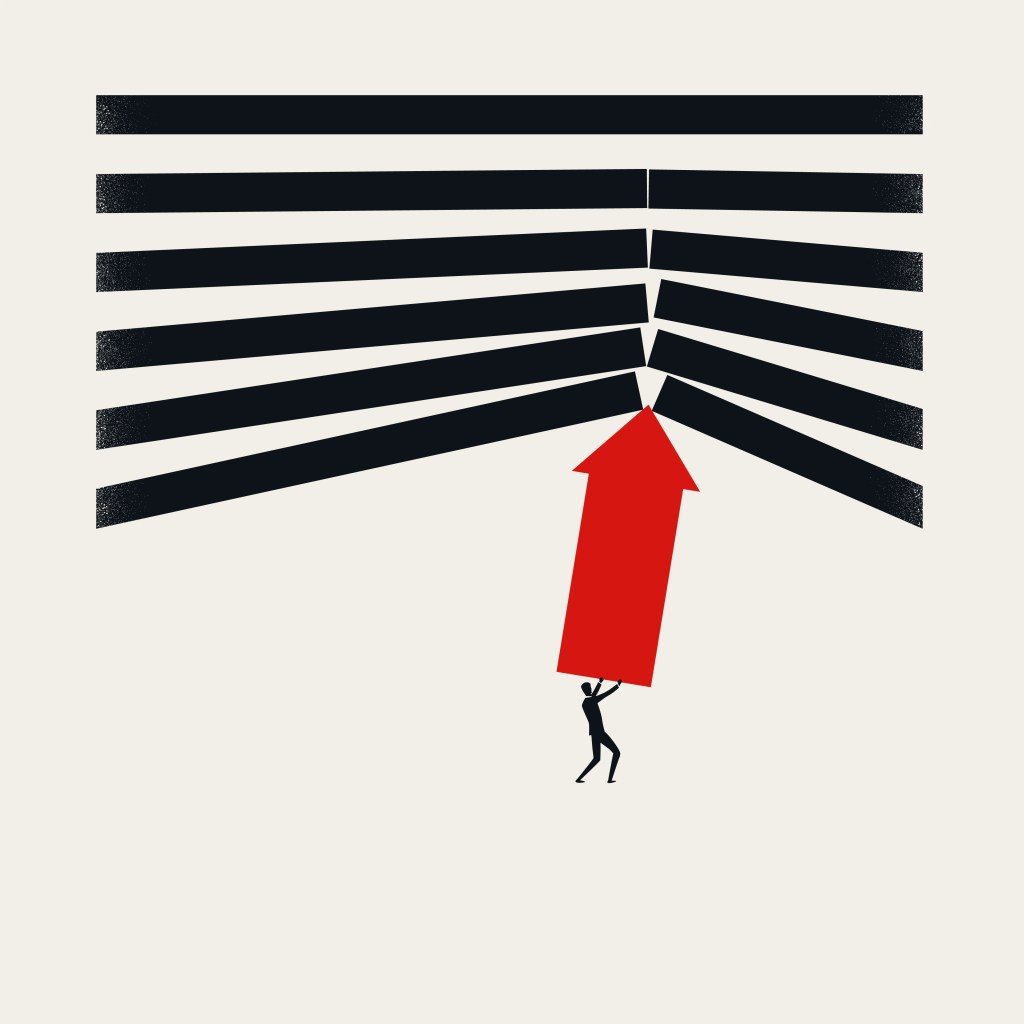
The new rules mean senior executives face increased scrutiny, greater personal liability, and must pay close attention to the role of D&O insurance in this new era of digital risk.
IT employees are under constant pressure. The threat landscape is dynamic, complex and often unpredictable

Dive deep into our HORIZON print edition which focuses on various transformations and looks at all the challenges they pose from different angles.

Georg Winter

CEO GrECo Group

T +43 664 962 39 06