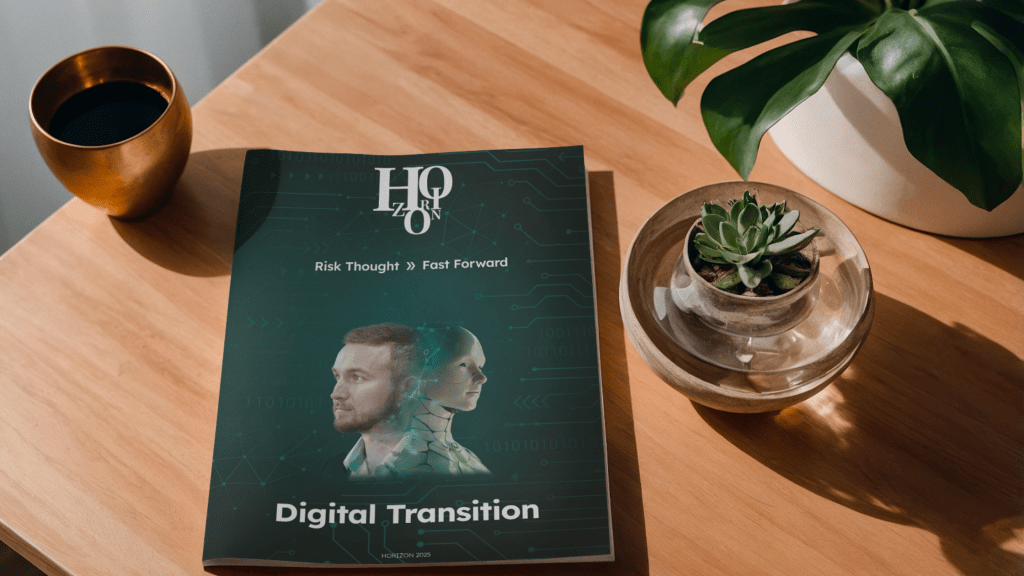
HORIZON Risk Thought >> Fast Forward

The complexity of today´s risk environment is changing at an accelerating pace, making risk management even more challenging. We address these challenges by highlighting underlying systemic transformations and their implications for future risk and insurance management in various sectors.

In the risk management context of these systemic transformations, we classified these “risk changers” that directly affect a company and use the terms:

  • “Environment in danger” for ecological,
  • “Beyond globalisation” for geopolitical,
  • “Digital transition” for technological and
  • “Social disruption” for social transformation

In the risk management context of these systemic transformations, we classified these “risk changers” that directly affect a company and use the terms:

  • “Environment in danger” for ecological,
  • “Beyond globalisation” for geopolitical,
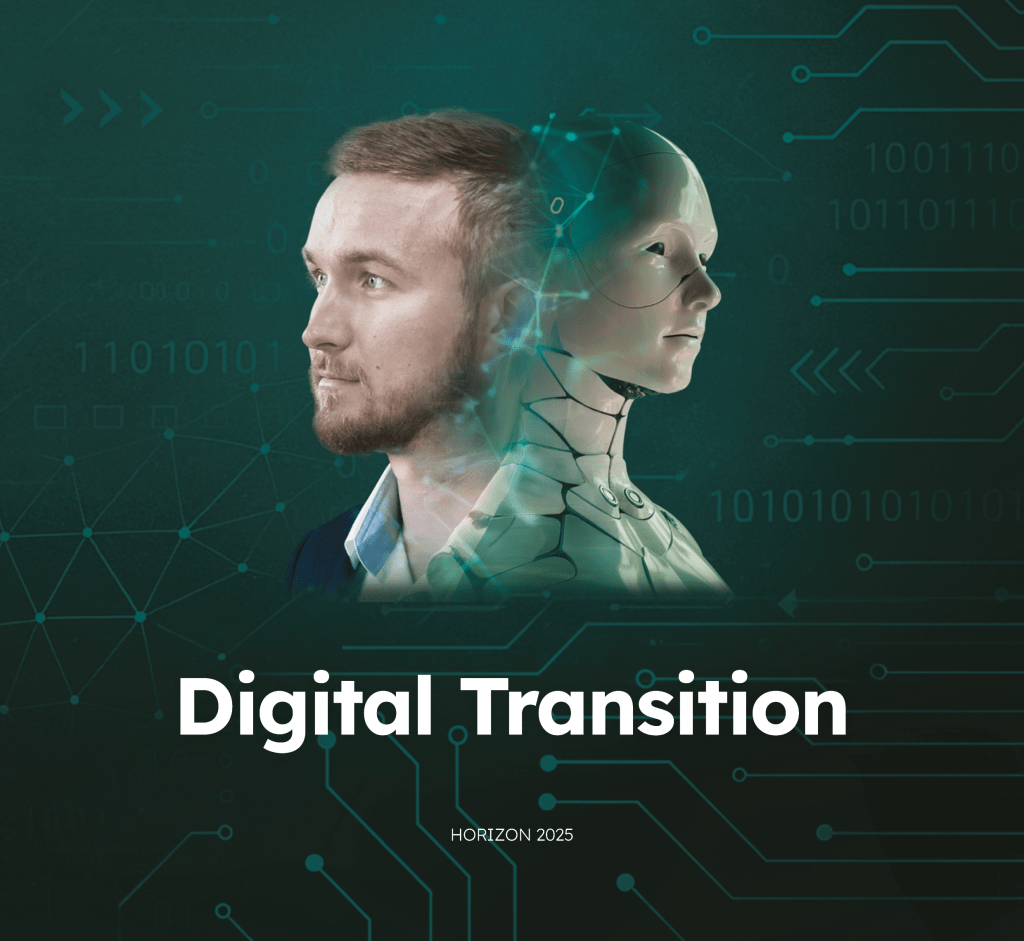
  • “Digital transition” for technological and
  • “Social disruption” for social transformation.

We have created Horizon, firstly as a print publication and now as a platform for sharing the latest insights about ongoing transformations. Our risk specialists will continue to provide their expertise and knowledge to shine a light on the challenges of the future.

We have created HORIZON to share the latest insights about ongoing transformations.
Our risk specialists provide their expertise and knowledge to shine a light on the challenges of the future.

Discover all their latest insights, thoughts and viewpoints, or choose from our systemic risk categories to find out more.

Helen Evert, Account Manager for Financial Lines at IIZI Estonia highlights how even advanced IT organisations remain vulnerable, urging a rethink of trust in today’s digital landscape.
By focusing on behaviour rather than just content, organisations can drive meaningful change and boost employee engagement in today’s rapidly evolving landscape.
At a time when digital intelligence is shaping the sustainability agenda, the intersection of logistics innovation and European vision has never been more critical.
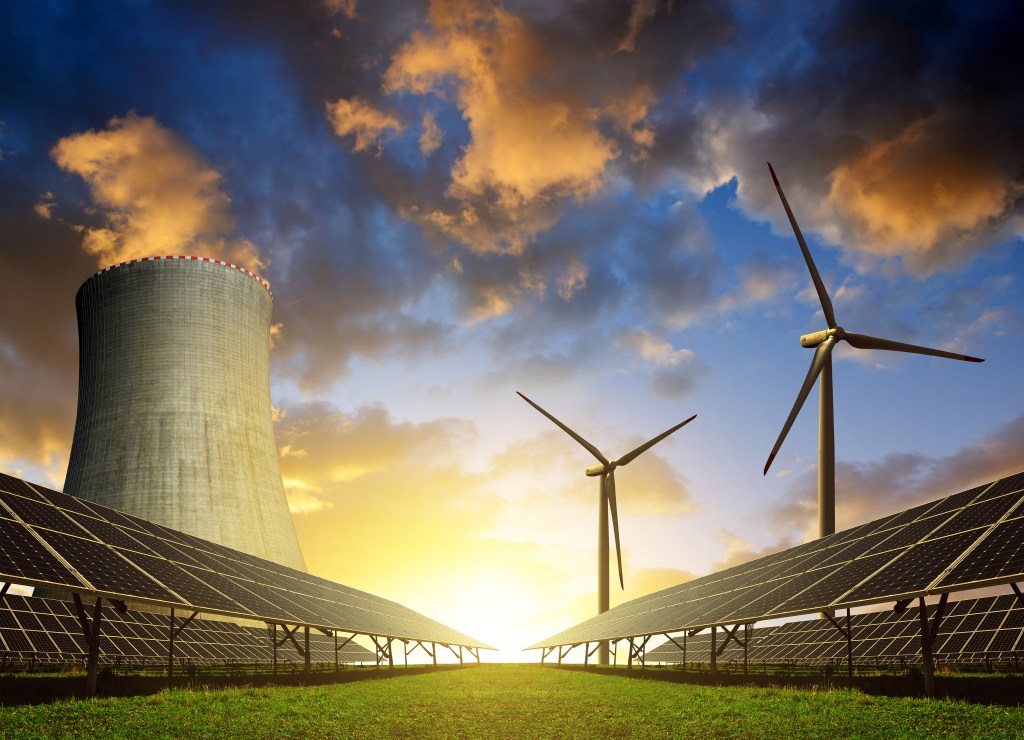
Investments in BESS are not merely technical upgrades; they are strategic moves to enhance a country’s energy resilience in an increasingly interconnected and data-driven world.
As digital technologies reshape modern life in Central and Eastern Europe, balancing connectivity and mental well-being has become vital.
Digital humans – Digi Humans – are AI-powered personalities who can have conversations, express emotions, and convey information in a way that feels natural and human.
The company’s influence is such that its proprietary filament brand, “Prusament,” has entered common parlance among retailers and users alike.
By examining data centres, artificial intelligence, and cryptocurrencies, Ketzer highlights how digital progress brings ecological and social risks that are too often ignored.
Georg Winter, CEO of GrECo Group, and Siemens Austria’s CEO Patricia Neumann discussed how AI is transforming industry, work, and governance
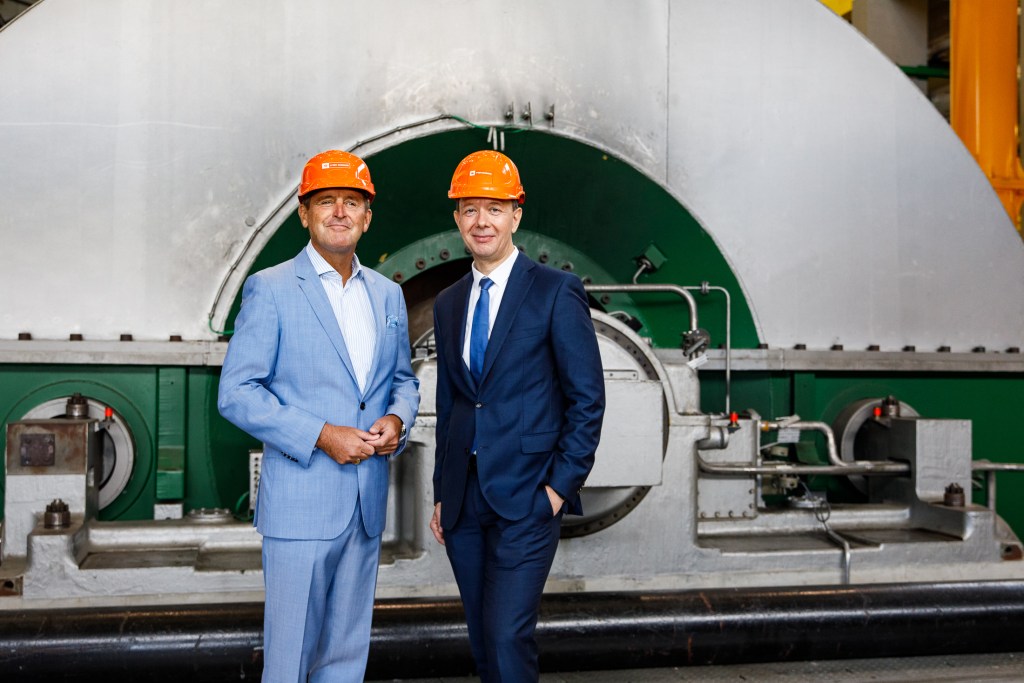
From the options available today, hydrogen is a promising alternative to fossil fuels with some companies, such as Wien Energie, already convinced of its benefits realising projects to test it as an alternative energy source.
The transformation of the Donaustadt power plant is not only a trailblazer for other companies, but also a clear signal that sustainable energy generation is the future.
Addressing physical climate risks is not just a regulatory requirement; it is a strategic imperative for businesses.
Martin Gary discusses whether the insurance industry is currently supporting the sustainable development of aviation, future trends and technologies being harnessed to meet ESG targets, and current restrictions impeding aviation’s sustainable future.
We invited stakeholders along the value chain to shed light on their strategies, new success models, opportunities and risks in the fight against climate change as part of a mini-series on the topic of “sustainable construction”.
General Manager of GrECo Sagauta, Katerina Pavlidi, recently met with Dr Tomas Kontautas, partner at the law firm Sorainen to discuss the sustainable development of the Baltic insurance market and just how green its future will be.
With the ESG spotlight upon us all, company’s need to meticulously craft their future communications strategies, making sure they truly understand the sustainable profile of their products, services, or activities.
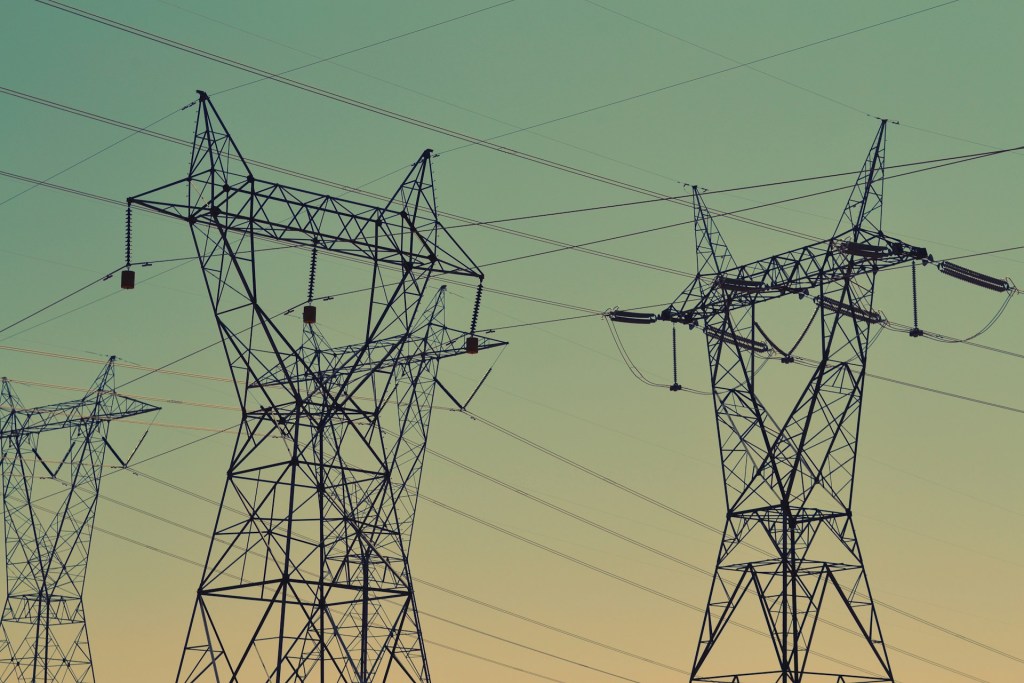
The success of the global grid overhaul effort is instrumental to the success of green energy transition and indeed to the improvement of living conditions for the global population in this century and beyond. 
Erwin Soravia, CEO of SORAVIA, talks to Fritz Neubrand, Chairman of the Supervisory Board of the GrECo Group, about the property developer’s responsibility in terms of sustainability, and how innovation and technology can strengthen the industry’s climate resilience.
Europe needs to cover gas demand with alternative sources. The EU energy security is compromised if there is no diversification to cover Russian gas imports.
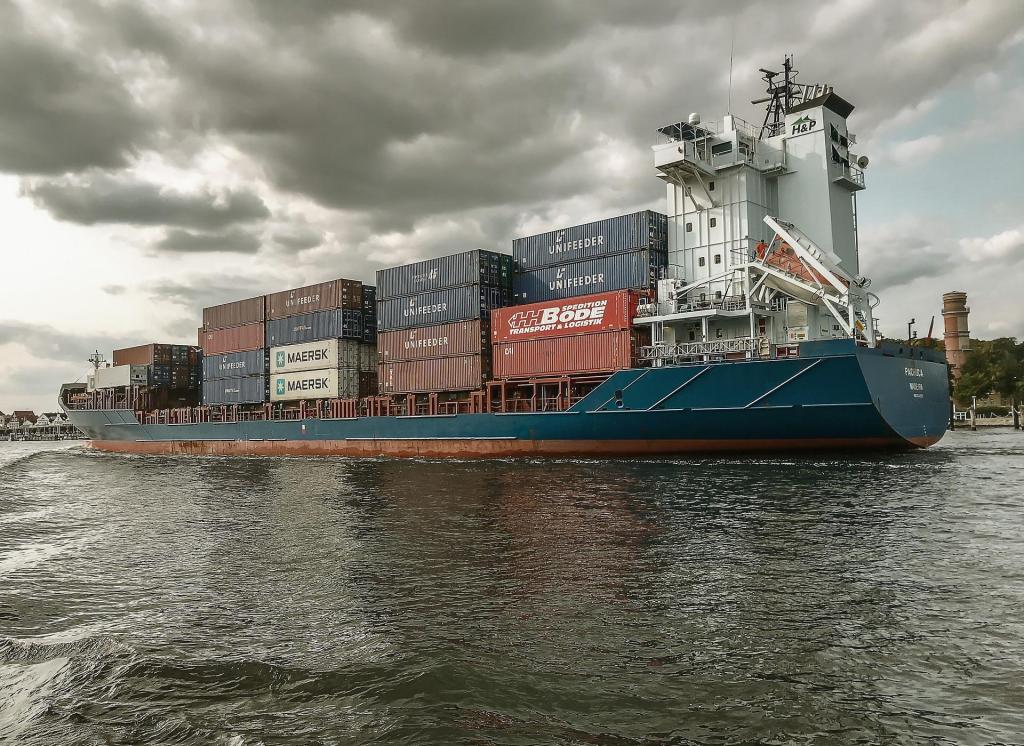
Since the outbreak of the Corona pandemic two years ago, disrupted supply chains have threatened the existence of many companies.
The value of intangible relative to tangible cor­porate assets has steadily increased. Emerging risks threaten the value of both tangible and intangible assets.
With new insurers having entered the market in the past few months, we should see a dampening of the price increases we experienced in the previous two years.
On average, premium rates are expected to increase between 5% to 10%, even for policies with a no-claim history.
An interview with Martin Cerny and Jörg Schönenborn, Telecommunication Executives, and Andreas Schmitt, Insurance Professional.
In the last two years, supply chains were exposed to unforeseen risks. The impact of the pandemic, Evergiven’s blockade of the Suez Canal, or the recent disruptions as a result of Russia’s attack on Ukraine, to name a few. What else must we prepare for?
In this next series of three articles written by Gen Z’ers, we explore the perspectives, challenges, and opportunities the young generation must face both in their private and professional lives.
Georg Winter discussed with Hartwig Löger, CEO of VIG, whether our societies are risk literate enough and why organisations don’t shout about transforming social aspects of their organisations.
Since 2004, property prices in Austria have exploded. The consequences of this situation are far-reaching.
The future of claims and underwriting in the insurance industry is set to be revolutionised by AI and digital technologies, driven significantly by the tech-savvy Gen Z workforce.
The Zoomer´s approach to risk management is influenced by their heightened awareness of global issues, digital fluency, and sense of community.
As Gen Z enters the workforce, they bring a strong sense of social responsibility and a deep commitment to sustainability.
Arjeta Puca, an entrepreneur and founder of Timak talks about challenging gender norms and advancing gender equality.
Gabriele Andratschke met with Kaido Kepp, Head of IIZI Finance and Administration to discuss their investment in innovative approaches and carefully designed solutions.
Is it a cliché to think women must work harder to succeed in male-dominated industries?
We are excited to announce the release of the 5th Horizon Risk Thought » Fast Forward publication!
In this exclusive interview, we bring together two leading voices on digital transformation in Central and Eastern Europe: Ursula Deschka, CEO of ERGO Baltics and Georg Winter, CEO of GrECo Group.
Peter Papp, sat down with Peter Bešina, founder of Paralla and Cryptodiggers, to discuss the evolution of cryptocurrencies.
Fear appeal is a common tactic to highlight the dangers of unsafe cyber behaviour in many cybersecurity awareness campaigns.
One practical application of AI is in the digitalization of HR processes. Tasks such as document management and onboarding can be streamlined, reducing errors and saving time.
Excessive reliance on devices is leading to “digital dementia,” a rise in memory lapses, diminished focus, and cognitive fatigue – even among youth and the workforce.
Digital transformation is reshaping higher education, but what does that really look like for universities on the ground?
The new rules mean senior executives face increased scrutiny, greater personal liability, and must pay close attention to the role of D&O insurance in this new era of digital risk.
IT employees are under constant pressure. The threat landscape is dynamic, complex and often unpredictable

Dive deep into our HORIZON print edition which focuses on various transformations and looks at all the challenges they pose from different angles.

Georg Winter

CEO GrECo Group

T +43 664 962 39 06