HORIZON Risk Thought >> Fast Forward

Die Komplexität der heutigen Risikolandschaft verändert sich immer schneller, was das Risikomanagement noch schwieriger macht. Wir gehen diese Herausforderungen an, indem wir grundlegende systemische Transformationen und ihre Auswirkungen auf das zukünftige Risiko- und Versicherungsmanagement in verschiedenen Sektoren beleuchten.

Im Kontext des Risikomanagements dieser systemischen Transformationen haben wir „Risk Changer“ klassifiziert, die sich direkt auf Unternehmen auswirken. Wir verwenden dafür folgende Begriffe:

  • „Environment in Danger“ für ökologische,
  • „Beyond Globalisation“ für geopolitische,
  • „Digital Transition“ für technologische und
  • „Social Disruption“ für soziale Transformationen.
Unter dem Titel „Social Disruption“ konzentriert sich HORIZON dieses Mal auf den sozialen Wandel und beleuchtet alle damit verbundenen Herausforderungen für die Geschäftswelt. In dieser Ausgabe erkunden wir das Zeitalter des Menschen und seinen Einfluss auf unsere zukünftigen Arbeitsumgebungen. Wir untersuchen, wie unser Verhalten die Risikolandschaft prägt.

In the risk management context of these systemic transformations, we classified these “risk changers” that directly affect a company and use the terms:

  • “Environment in danger” for ecological,
  • “Beyond globalisation” for geopolitical,
  • “Digital transition” for technological and
  • “Social disruption” for social transformation.

We have created Horizon, firstly as a print publication and now as a platform for sharing the latest insights about ongoing transformations. Our risk specialists will continue to provide their expertise and knowledge to shine a light on the challenges of the future.

Wir haben HORIZON ins Leben gerufen, um die neuesten Erkenntnisse über aktuelle Veränderungen zu teilen.
Unsere Risikospezialist:innen stellen ihr Fachwissen und ihre Kenntnisse zur Verfügung, um die Herausforderungen der Zukunft zu beleuchten.

Entdecken Sie ihre neuesten Erkenntnisse, Gedanken und Standpunkte oder wählen Sie aus unseren systemischen Risikokategorien, um mehr zu erfahren. Die Inhalte basieren auf dem gebündelten Wissen unseres internationalen GrECo Netzwerks. Aus diesem Grund sind einzelne Beiträge in englischer Sprache verfasst; ergänzend stehen weitere Artikel in deutscher Sprache zur Verfügung.

MGAs operate within authority granted by insurers, with responsibility for underwriting, policy issuance, portfolio management and, depending on the model, claims support or coordination.
Closing the volatility gap means moving beyond reactive risk transfer.
For both infrastructure and real estate to survive, the corporate risk manual needs to be rewritten.
AI can generate information for us, but we still need the intelligence and judgement to understand and interpret it for a particular client.  
Real cyber resilience begins when leaders stop chasing certainty and ask what they can still influence when control ends. 
Cyber property damage refers to physical damage caused by a cyber incident, including damage to machinery, infrastructure or stock. 
Finding the right speed and assessing the market correctly is the biggest challenge. Transformation must take place, but at what speed?
Ist es ein Klischee zu glauben, dass Frauen härter arbeiten müssen, um in männerdominierten Branchen erfolgreich zu sein?
From the options available today, hydrogen is a promising alternative to fossil fuels with some companies, such as Wien Energie, already convinced of its benefits realising projects to test it as an alternative energy source.
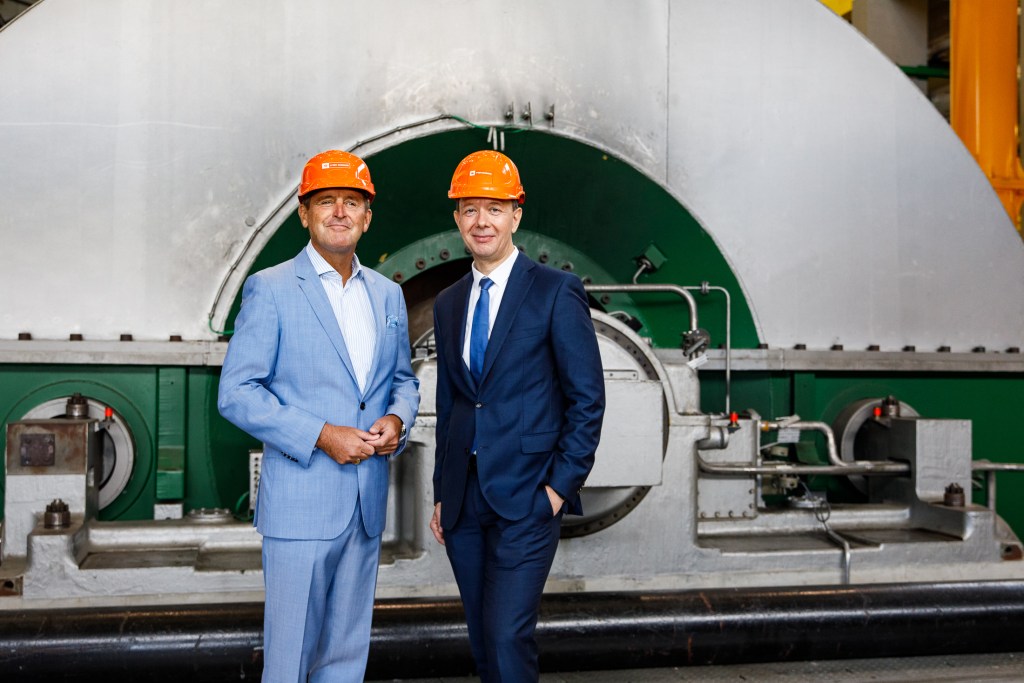
The transformation of the Donaustadt power plant is not only a trailblazer for other companies, but also a clear signal that sustainable energy generation is the future.
Addressing physical climate risks is not just a regulatory requirement; it is a strategic imperative for businesses.

Martin Gary discusses whether the insurance industry is currently supporting the sustainable development of aviation, future trends and technologies being harnessed to meet ESG targets, and current restrictions impeding aviation’s sustainable future.
We invited stakeholders along the value chain to shed light on their strategies, new success models, opportunities and risks in the fight against climate change as part of a mini-series on the topic of “sustainable construction”.
General Manager of GrECo Sagauta, Katerina Pavlidi, recently met with Dr Tomas Kontautas, partner at the law firm Sorainen to discuss the sustainable development of the Baltic insurance market and just how green its future will be.
With the ESG spotlight upon us all, company’s need to meticulously craft their future communications strategies, making sure they truly understand the sustainable profile of their products, services, or activities.
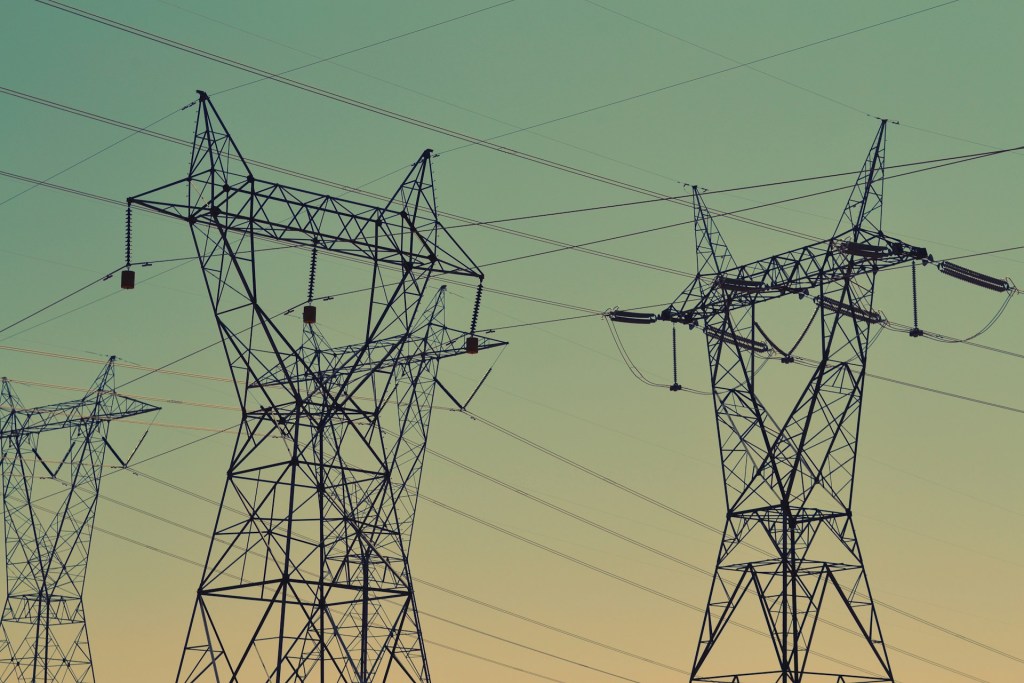
The success of the global grid overhaul effort is instrumental to the success of green energy transition and indeed to the improvement of living conditions for the global population in this century and beyond. 
Europe needs to cover gas demand with alternative sources. The EU energy security is compromised if there is no diversification to cover Russian gas imports.

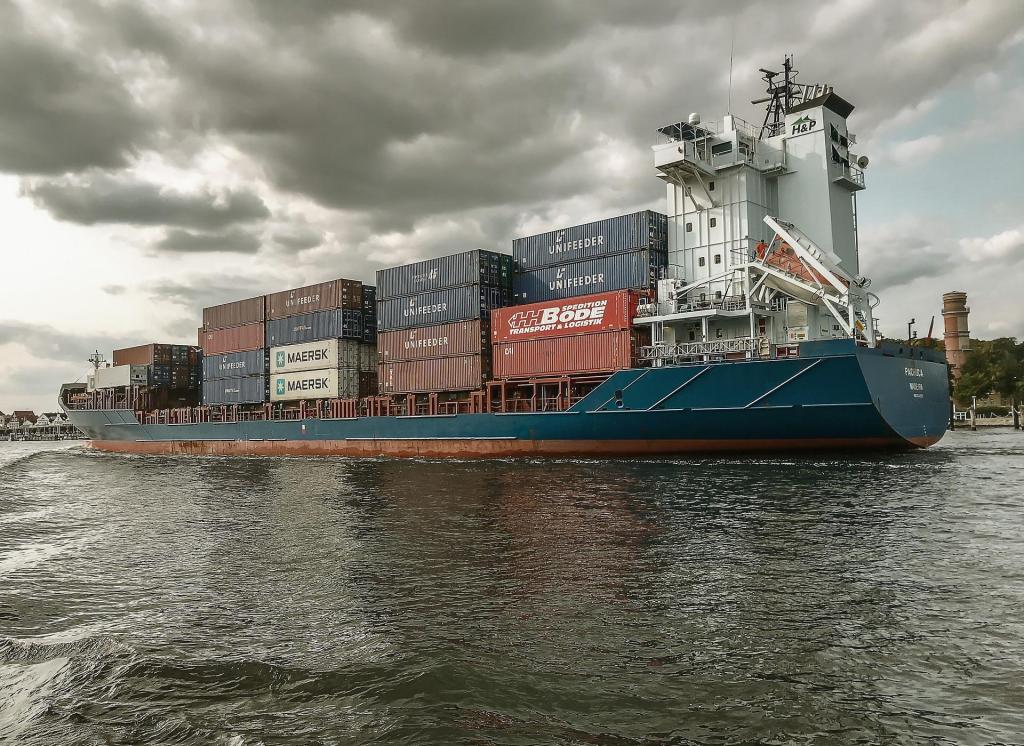
Since the outbreak of the Corona pandemic two years ago, disrupted supply chains have threatened the existence of many companies.
The value of intangible relative to tangible cor­porate assets has steadily increased. Emerging risks threaten the value of both tangible and intangible assets.
With new insurers having entered the market in the past few months, we should see a dampening of the price increases we experienced in the previous two years.
On average, premium rates are expected to increase between 5% to 10%, even for policies with a no-claim history.
An interview with Martin Cerny and Jörg Schönenborn, Telecommunication Executives, and Andreas Schmitt, Insurance Professional.
In the last two years, supply chains were exposed to unforeseen risks. The impact of the pandemic, Evergiven’s blockade of the Suez Canal, or the recent disruptions as a result of Russia’s attack on Ukraine, to name a few. What else must we prepare for?
We are in the fast-paced age of technology and Health & Benefits is having to transform and evolve at an alarming pace to keep up. 
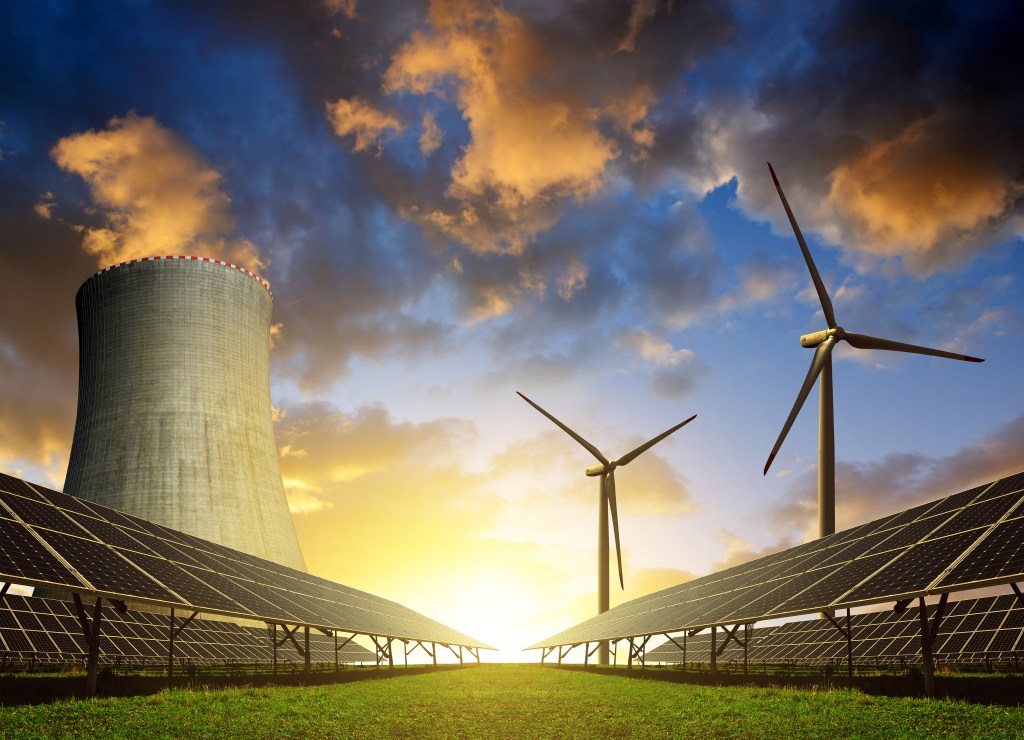
Under the title “Environment in danger”, our upcoming HORIZON series concentrates on the ecological transformation and therefore looks at all its challenges from various angles.
Other crises, the climate crisis being a prominent example, are more likely to emerge as developments that gradually manifest themselves.
An effective risk management process is a basic requirement for tackling transformation risks.
From an HR perspective, the past three years were predominantly shaped by the challenges and crises that have influenced our activities since the beginning of the pandemic. The impact of volatility, uncertainty, complexity, and ambiguity – the VUCA world – has become more pronounced with each crisis that has hit both the economic environment of organisations and people`s personal lives.
The biggest problem of the insurance industry today is the fact that the sales of an insurance product are separated from the sales of the core product or service that the insurance is associated with.
Companies are exposed to various kinds of risks. At the same time, systemic transformation exacerbates existing risks and causes new risks to emerge.
Employers need to go back to basics and look at the structure of the benefits they offer and determine if it must be changed or stepped up. Now is the time to do it.
Nowadays, employees expect more from their employer than ever before. Meeting these expectations will involve more personalisation of the benefits offering.
Helen Evert, Account Manager for Financial Lines at IIZI Estonia highlights how even advanced IT organisations remain vulnerable, urging a rethink of trust in today’s digital landscape.
By focusing on behaviour rather than just content, organisations can drive meaningful change and boost employee engagement in today’s rapidly evolving landscape.
At a time when digital intelligence is shaping the sustainability agenda, the intersection of logistics innovation and European vision has never been more critical.
Investments in BESS are not merely technical upgrades; they are strategic moves to enhance a country’s energy resilience in an increasingly interconnected and data-driven world.
As digital technologies reshape modern life in Central and Eastern Europe, balancing connectivity and mental well-being has become vital.
Digital humans – Digi Humans – are AI-powered personalities who can have conversations, express emotions, and convey information in a way that feels natural and human.
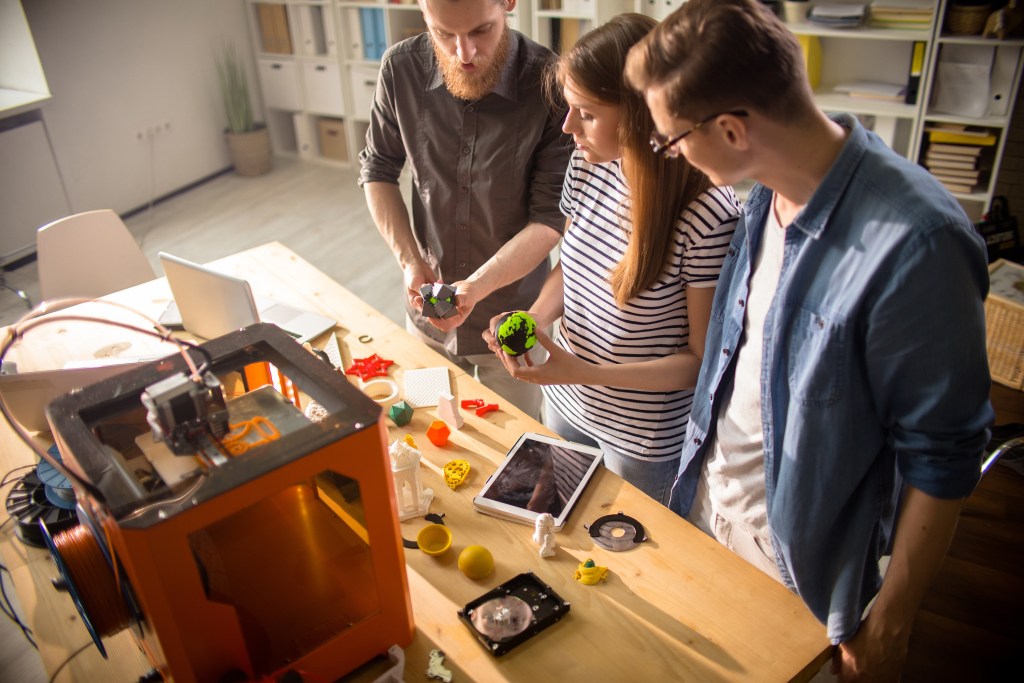
The company’s influence is such that its proprietary filament brand, “Prusament,” has entered common parlance among retailers and users alike.
By examining data centres, artificial intelligence, and cryptocurrencies, Ketzer highlights how digital progress brings ecological and social risks that are too often ignored.
Georg Winter, CEO of GrECo Group, and Siemens Austria’s CEO Patricia Neumann discussed how AI is transforming industry, work, and governance

Tauchen Sie tief in unsere HORIZON-Printausgabe ein, die sich auf verschiedene Transformationen konzentriert und alle damit verbundenen Herausforderungen aus unterschiedlichen Blickwinkeln betrachtet.