HORIZON Risk Thought >> Fast Forward

Our HORIZON initiative has always stood as a beacon for those who dare to strive forward in business. HORIZON is a platform where boundaries are pushed and the future is envisioned with clarity and determination.

This year, we embrace a renewed spirit of courage – a quality that is not simply admirable in business, but essential. This campaign brings together thinkers and innovators who are challenging the status quo across key areas – risk, sustainability, social change, technology, and governance. Their reflections invite you to consider what courage means personally: how it shapes your ambitions, fuels your imagination, and helps transform the ordinary into the extraordinary.

In the risk management context of these systemic transformations, we classified these “risk changers” that directly affect a company and use the terms:

  • “Environment in danger” for ecological,
  • “Beyond globalisation” for geopolitical,
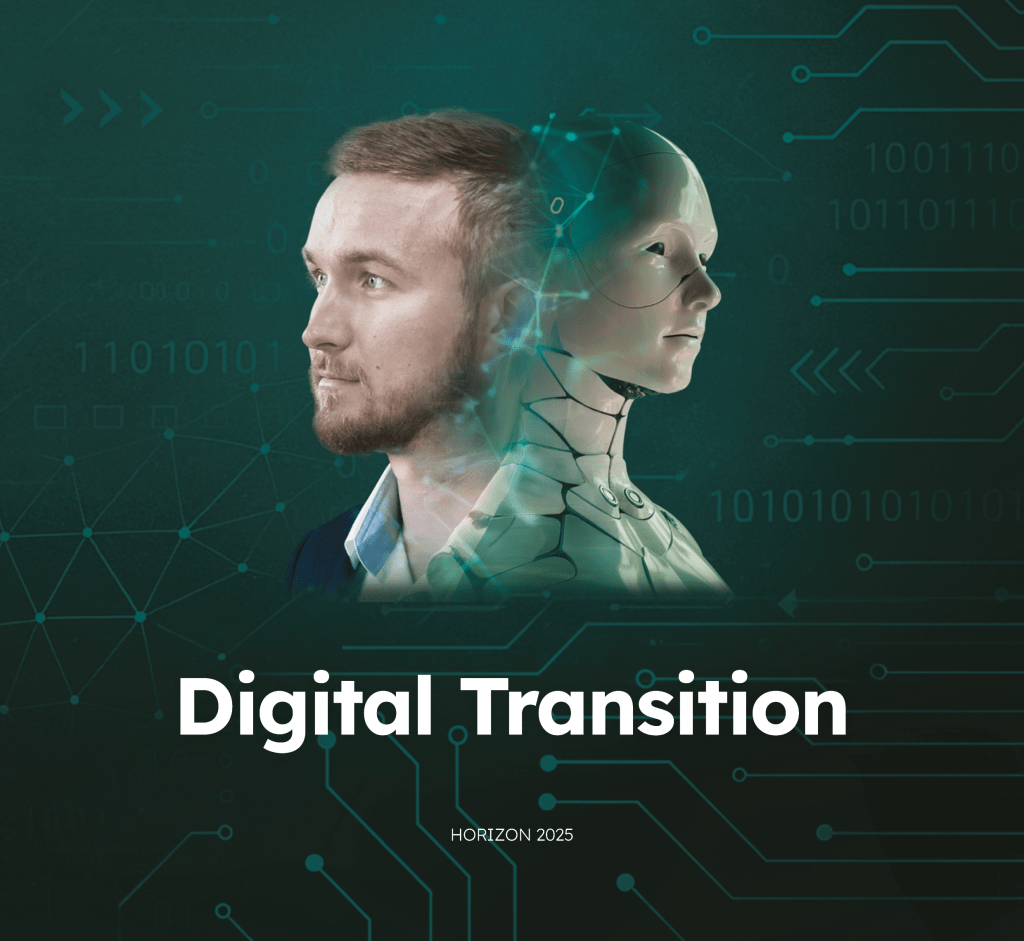
  • “Digital transition” for technological and
  • “Social disruption” for social transformation.

We have created Horizon, firstly as a print publication and now as a platform for sharing the latest insights about ongoing transformations. Our risk specialists will continue to provide their expertise and knowledge to shine a light on the challenges of the future.
We have created HORIZON to share the latest insights about ongoing transformations.
Our risk specialists provide their expertise and knowledge to shine a light on the challenges of the future.

Discover all their latest insights, thoughts and viewpoints, or choose from our systemic risk categories to find out more.

Environmental protection and measures curbing climate change have not lost their geopolitical and socio-political relevance during the pandemic.
With new insurers having entered the market in the past few months, we should see a dampening of the price increases we experienced in the previous two years.
On average, premium rates are expected to increase between 5% to 10%, even for policies with a no-claim history.
At the same time and with increasing urbanisation, infrastructure and smart city developments, a stronger focus will be put on making infrastructure and transport more efficient and sustainable.
An interview with Martin Cerny and Jörg Schönenborn, Telecommunication Executives, and Andreas Schmitt, Insurance Professional.
Traditional B2B and B2C companies are increasingly working together and are increasingly building a new B2B2C business (Business to Business to Customer). “Affinity” is the buzzword of the hour.
In the last two years, supply chains were exposed to unforeseen risks. The impact of the pandemic, Evergiven’s blockade of the Suez Canal, or the recent disruptions as a result of Russia’s attack on Ukraine, to name a few. What else must we prepare for?
The continuous digital transforma­ tion of workplaces and the accel­ eration of mobility bring about hybrid work models and new values that shape work environments.
For industries to remain properly insured, we must be able to quantify the severity of a drought.
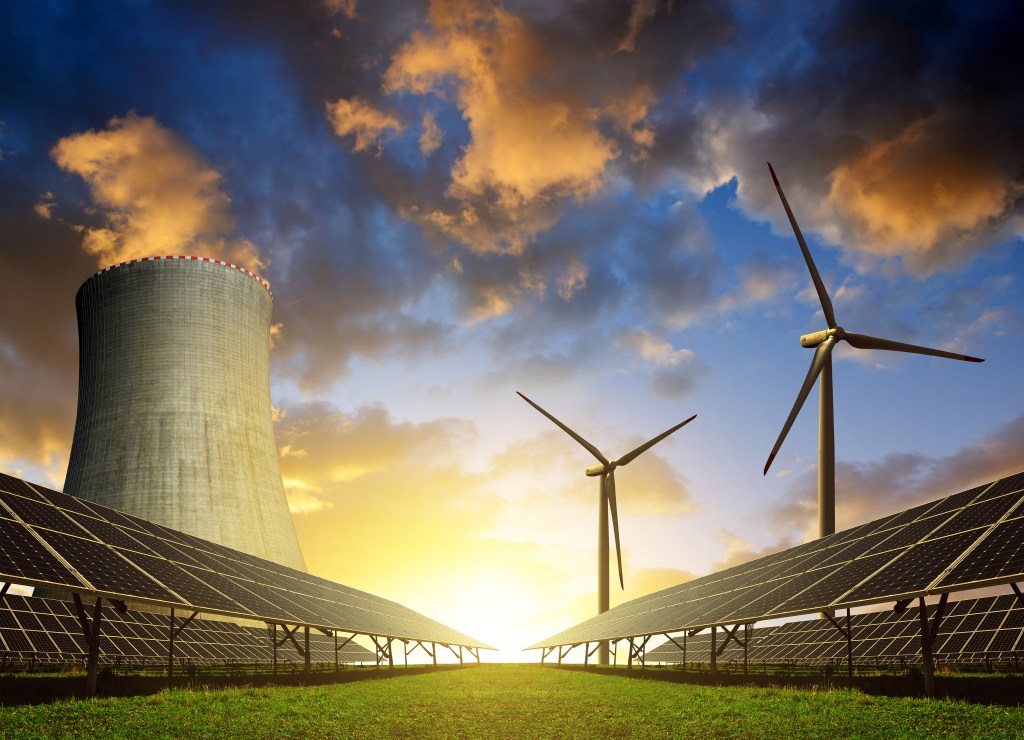
From the options available today, hydrogen is a promising alternative to fossil fuels with some companies, such as Wien Energie, already convinced of its benefits realising projects to test it as an alternative energy source.
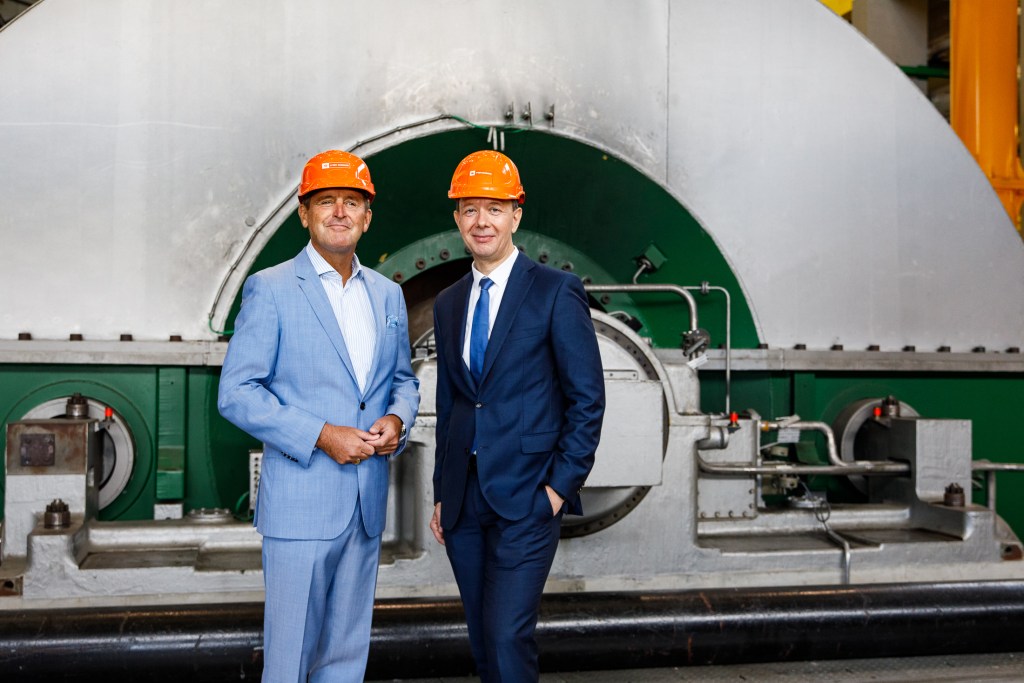
The transformation of the Donaustadt power plant is not only a trailblazer for other companies, but also a clear signal that sustainable energy generation is the future.
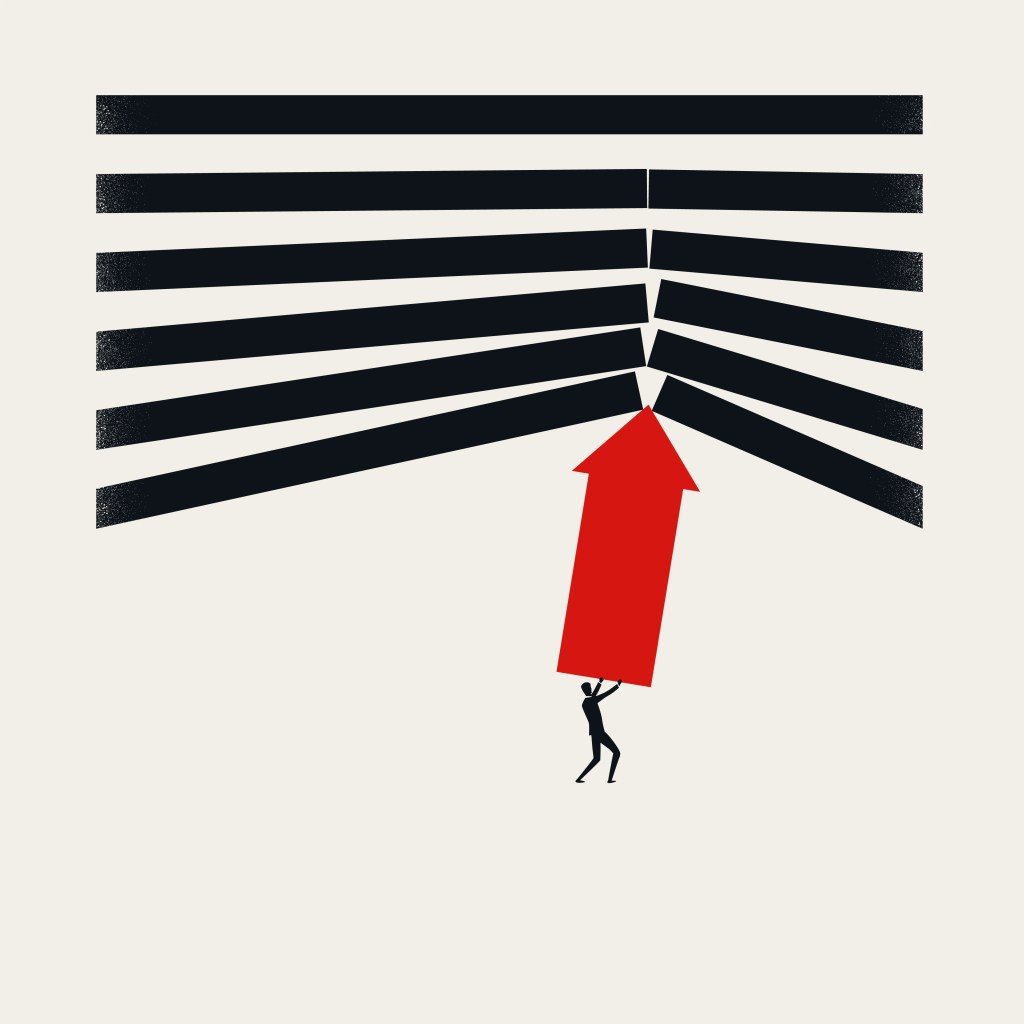
Addressing physical climate risks is not just a regulatory requirement; it is a strategic imperative for businesses.
Martin Gary discusses whether the insurance industry is currently supporting the sustainable development of aviation, future trends and technologies being harnessed to meet ESG targets, and current restrictions impeding aviation’s sustainable future.
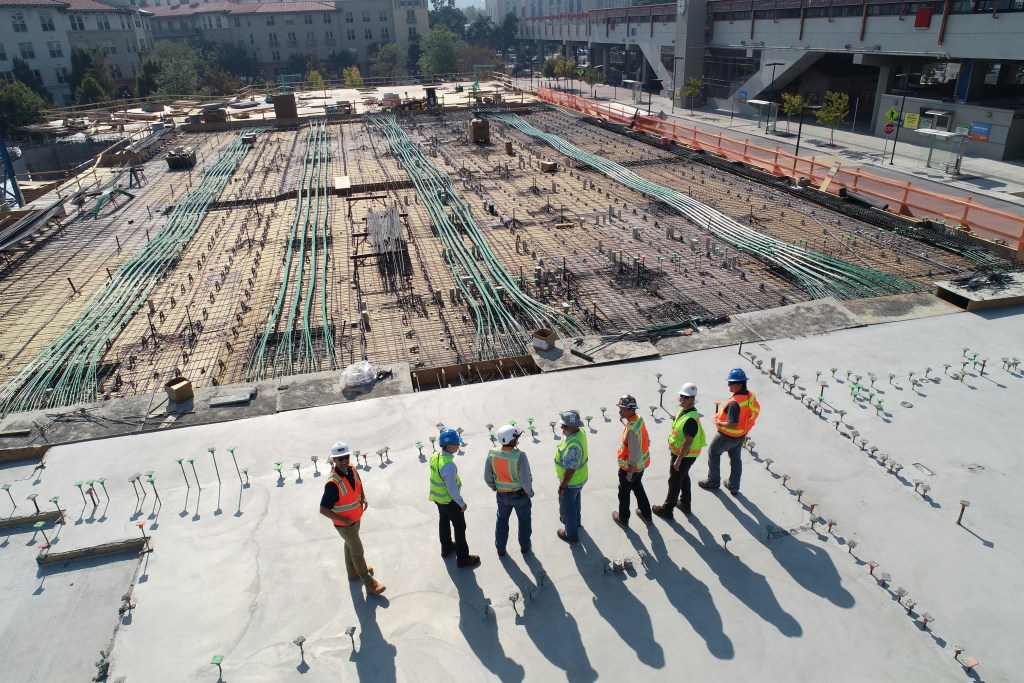
We invited stakeholders along the value chain to shed light on their strategies, new success models, opportunities and risks in the fight against climate change as part of a mini-series on the topic of “sustainable construction”.

General Manager of GrECo Sagauta, Katerina Pavlidi, recently met with Dr Tomas Kontautas, partner at the law firm Sorainen to discuss the sustainable development of the Baltic insurance market and just how green its future will be.
With the ESG spotlight upon us all, company’s need to meticulously craft their future communications strategies, making sure they truly understand the sustainable profile of their products, services, or activities.
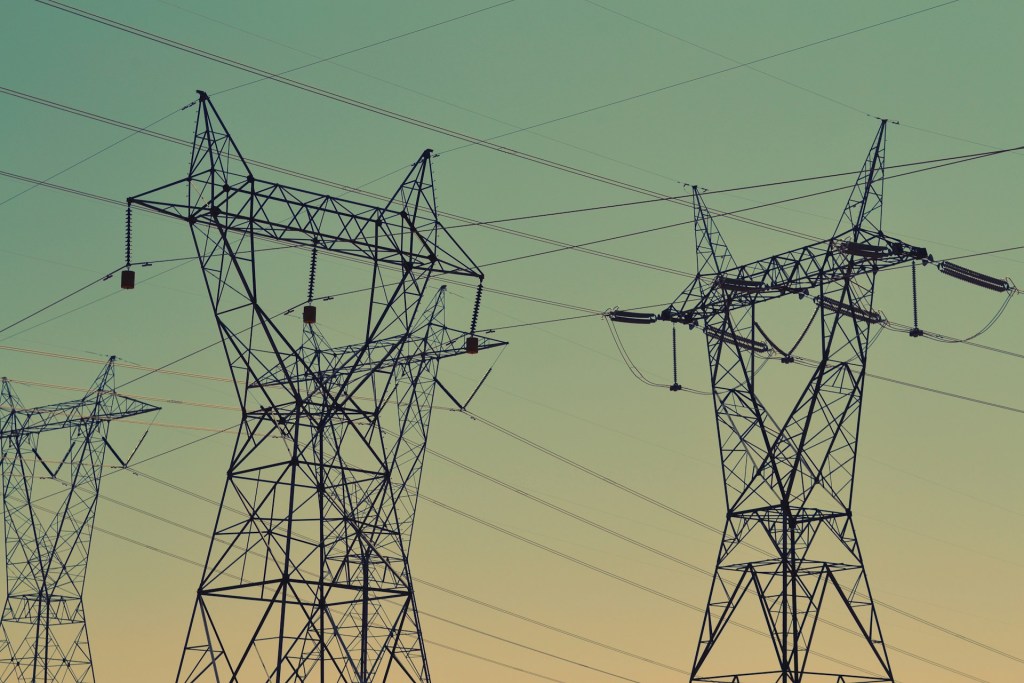
The success of the global grid overhaul effort is instrumental to the success of green energy transition and indeed to the improvement of living conditions for the global population in this century and beyond. 
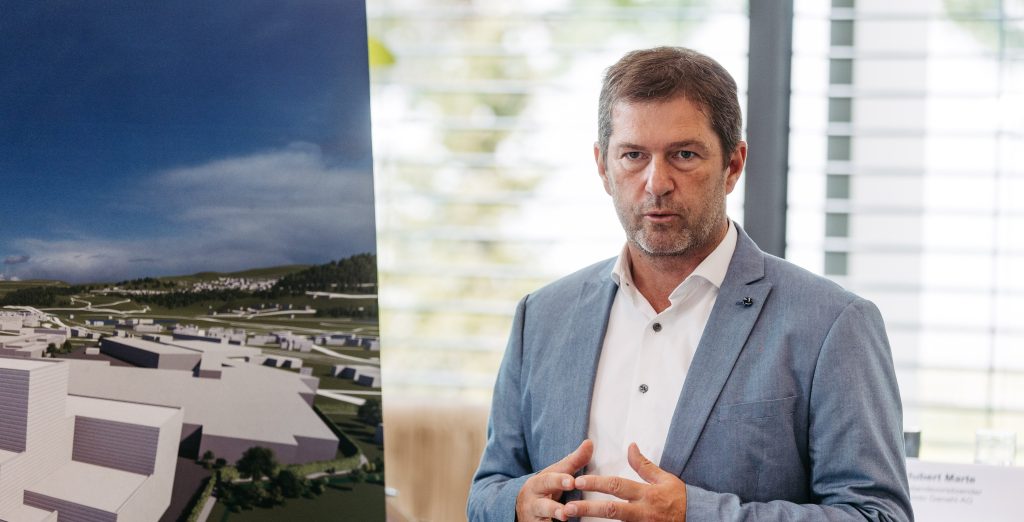
Erwin Soravia, CEO of SORAVIA, talks to Fritz Neubrand, Chairman of the Supervisory Board of the GrECo Group, about the property developer’s responsibility in terms of sustainability, and how innovation and technology can strengthen the industry’s climate resilience.
Plans are underway to construct a new power plant fuelled by waste material on the premises of Rondo Ganahl AG as part of the Initiative “Energy Autonomy Frastanz”. The new plant in Austria’s most western province will cover the future thermal energy demand of the Rondo paper mill and corrugated board plant and will also supply other businesses and private households.
Emerging risks and new threats that are hard to grasp and estimate are a much-discussed topic. Add to that today’s increasing number of Black Swan events. These are unprecedented and unexpected events which nobody could have imagined, making them almost impossible to predict.
According to the International Monetary Fund food and energy are the main drivers of today’s inflation. That is obvious to each of us as we pay more for both food and energy these days.
Max Pernsteiner, Vice President Global Purchasing & Supply Chain at ENGEL Austria GmbH, spoke with Johannes Vogl, General Manager at GrECo Risk Engineering GmbH, about supply chains and their risks.
In the last two years, supply chains were exposed to unforeseen risks. The impact of the pandemic, Evergiven’s blockade of the Suez Canal, or the recent disruptions as a result of Russia’s attack on Ukraine, to name a few. What else must we prepare for?
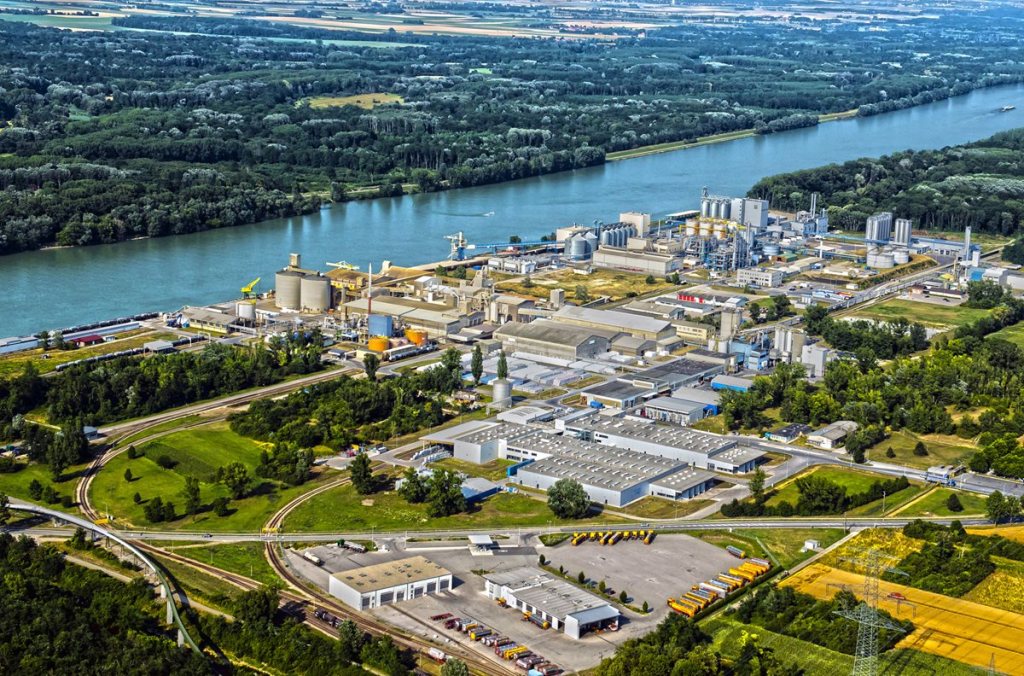
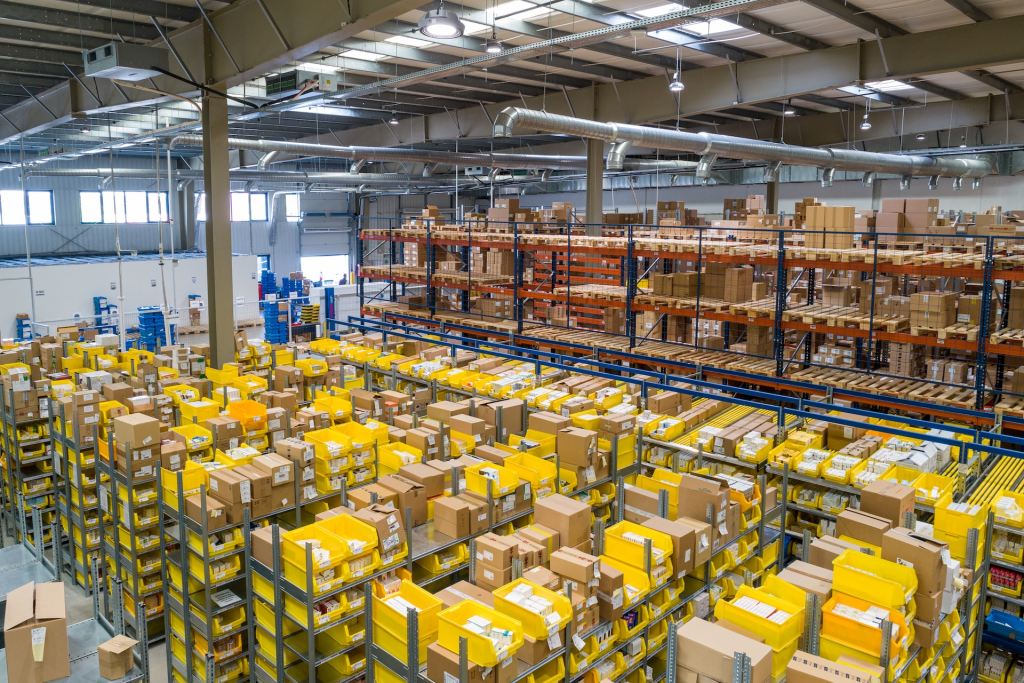
Krystle Lippert, Strategic Sales Manager at GrECo in Austria, has spoken with Dr. Gerald Dums, Head of Purchase of Technical Equipment & Logistics at Donau Chemie AG about supply chain problems and procurement and logistics resilience.
Our multipolar world and its myriad of geopolitical forces presents us and our clients with a vast, multidimensional array of risks. As bleak as this may sound, geopolitics and its impact on energy also offers a number of opportunities.
With the aftershocks of the pandemic, the ripple effects of the Ukraine war, and more frequent and severe natural catastrophes that affect our climate and today’s population, we are at a crossroads, and the construction sector is no exception.
For the past years and certainly since 24 February 2022, we have had many opportunities to witness the power of geopolitics, its decisive impact on domestic and international politics and the supply of energy throughout the world.
Many hidden vulnerabilities can be unearthed if you are a bit creative. The key question is: can we live with the outcome? And then you need to give an honest answer.
Where does AI fit into the current policies as it stands, and what could the likely issues be?
We spoke with three leaders from different industries about energy independence in Europe.
 Paul Johannes Spittau explores transformation with Olivera Böhm-Rybak, Chief Corporate Business Officer International and CEO of UNIQA Sustainable Business Solutions.
MGAs operate within authority granted by insurers, with responsibility for underwriting, policy issuance, portfolio management and, depending on the model, claims support or coordination.
Closing the volatility gap means moving beyond reactive risk transfer.
For both infrastructure and real estate to survive, the corporate risk manual needs to be rewritten.
AI can generate information for us, but we still need the intelligence and judgement to understand and interpret it for a particular client.  
How will global insurance and reinsurance adapt to new challenges and navigate the stormy waters of the 21st century?
Driverless transport systems, packaging, loading and reloading are already typical robotic examples which will gain in importance.
The Covid-19 pandemic has accelerated existing trends which will continue to shape the real estate sector in the years to come.
Motor insurance used to be a pretty standardised product. This will change.
There are three megatrends which will affect the entire healthcare system in the near future: an increasing and aging population, lack of medical staff as well as a rising dependency on new technologies
At the same time and with increasing urbanisation, infrastructure and smart city developments, a stronger focus will be put on making infrastructure and transport more efficient and sustainable.
Traditional B2B and B2C companies are increasingly working together and are increasingly building a new B2B2C business (Business to Business to Customer). “Affinity” is the buzzword of the hour.
For industries to remain properly insured, we must be able to quantify the severity of a drought.

Dive deep into our HORIZON print edition which focuses on various transformations and looks at all the challenges they pose from different angles.

Georg Winter

CEO GrECo Group

T +43 664 962 39 06