HORIZON Risk Thought >> Fast Forward

Our HORIZON initiative has always stood as a beacon for those who dare to strive forward in business. HORIZON is a platform where boundaries are pushed and the future is envisioned with clarity and determination.

This year, we embrace a renewed spirit of courage – a quality that is not simply admirable in business, but essential. This campaign brings together thinkers and innovators who are challenging the status quo across key areas – risk, sustainability, social change, technology, and governance. Their reflections invite you to consider what courage means personally: how it shapes your ambitions, fuels your imagination, and helps transform the ordinary into the extraordinary.

In the risk management context of these systemic transformations, we classified these “risk changers” that directly affect a company and use the terms:

  • “Environment in danger” for ecological,
  • “Beyond globalisation” for geopolitical,
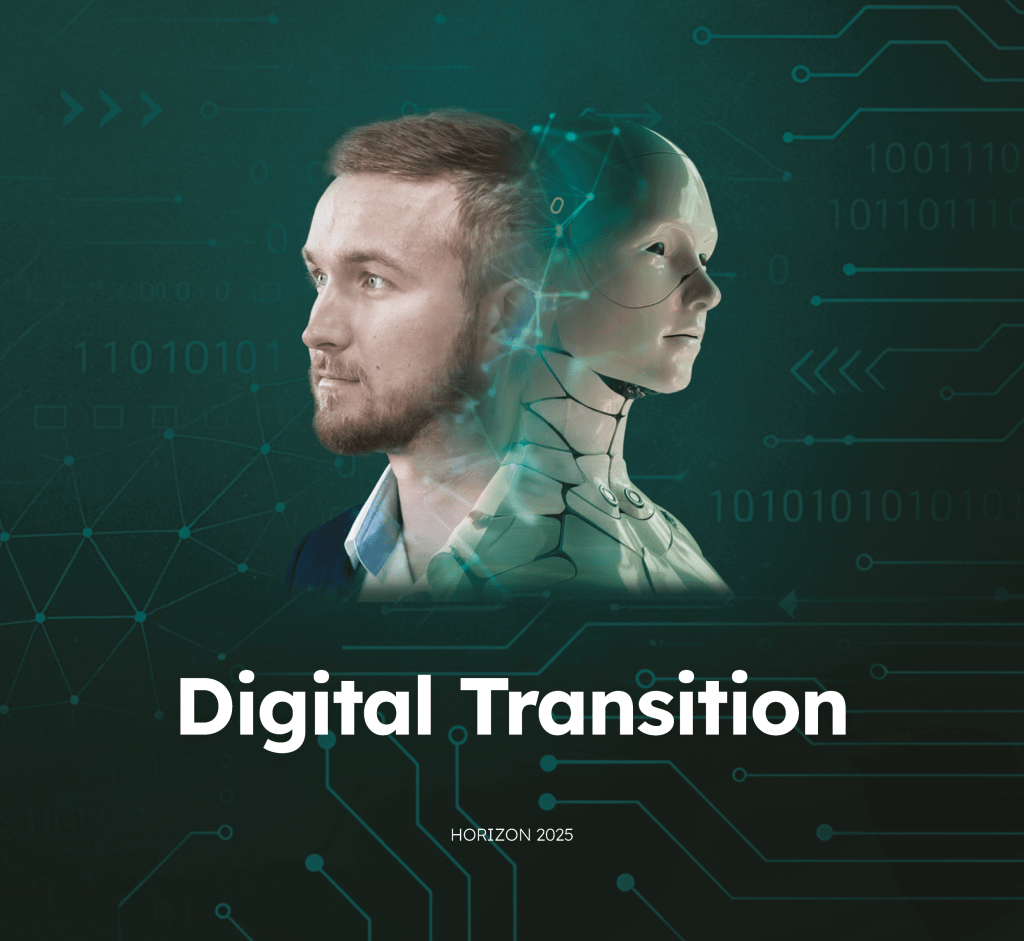
  • “Digital transition” for technological and
  • “Social disruption” for social transformation.

We have created Horizon, firstly as a print publication and now as a platform for sharing the latest insights about ongoing transformations. Our risk specialists will continue to provide their expertise and knowledge to shine a light on the challenges of the future.

We have created HORIZON to share the latest insights about ongoing transformations.
Our risk specialists provide their expertise and knowledge to shine a light on the challenges of the future.

Discover all their latest insights, thoughts and viewpoints, or choose from our systemic risk categories to find out more.

In the face of growing environmental challenges and climate change, insurance companies like UNIQA Group are taking significant steps to embrace sustainability.
“At Erste Group, we have an ESG Office, a dedicated unit focused on sustainability. We are situated within the strategy department, and our main responsibility is to implement the entire regulatory framework of the EU Green Deal within the bank. ”
Procredit Bank, compared to its competitors in Georgia, is leading the charge when it comes to reducing the Georgia’s environmental footprint.
If carefully designed and managed, a captive is a tool in the risk manager’s toolbox for large companies that can help build resilience to future transformation risks as a result of climate change, amongst other things.
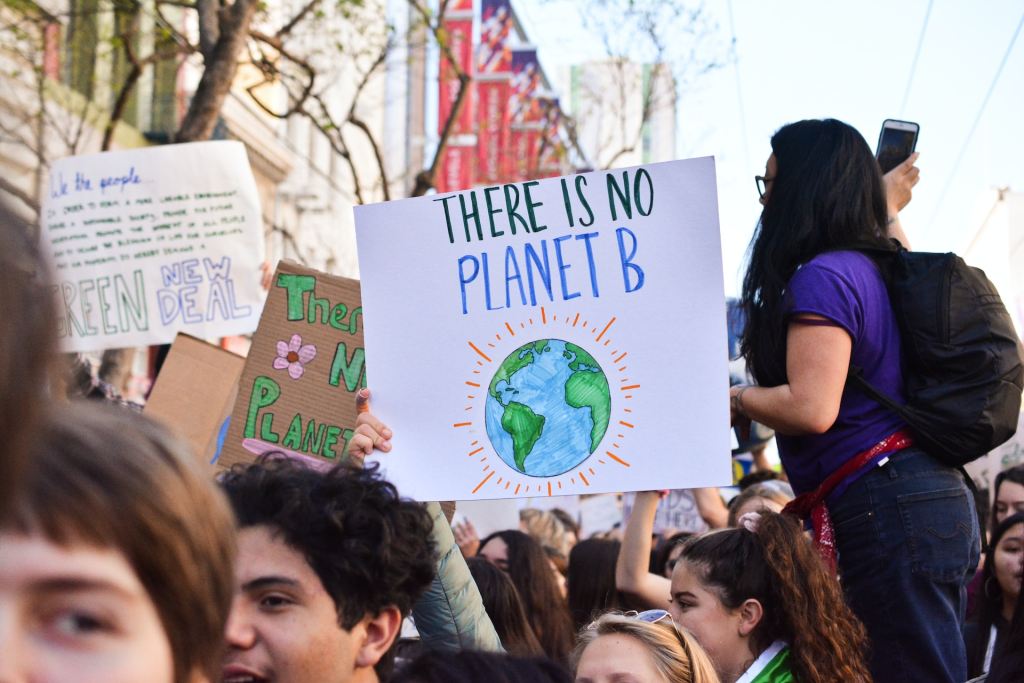
If you have followed the media recently, you are probably aware that the younger generation cares about the environment and their future, and that they are willing to go to the extreme to prove their point.  
A third of the younger generations believe climate change is the biggest threat of our time, and over half believe they don’t have the power to do anything about it.
The United Nations has recently indicated that the youth of today have the most positive outlook on Artificial Intelligence (AI) with an astonishing 93.2% stating they feel positive about it
82% of Gen Z will buy a car with a combustion engine. 
62% of the younger generation believe being vegetarian is a good way to help save the environment.
One of the greatest climate hazards for industry caused by heat and drought is the decreasing availability of water.
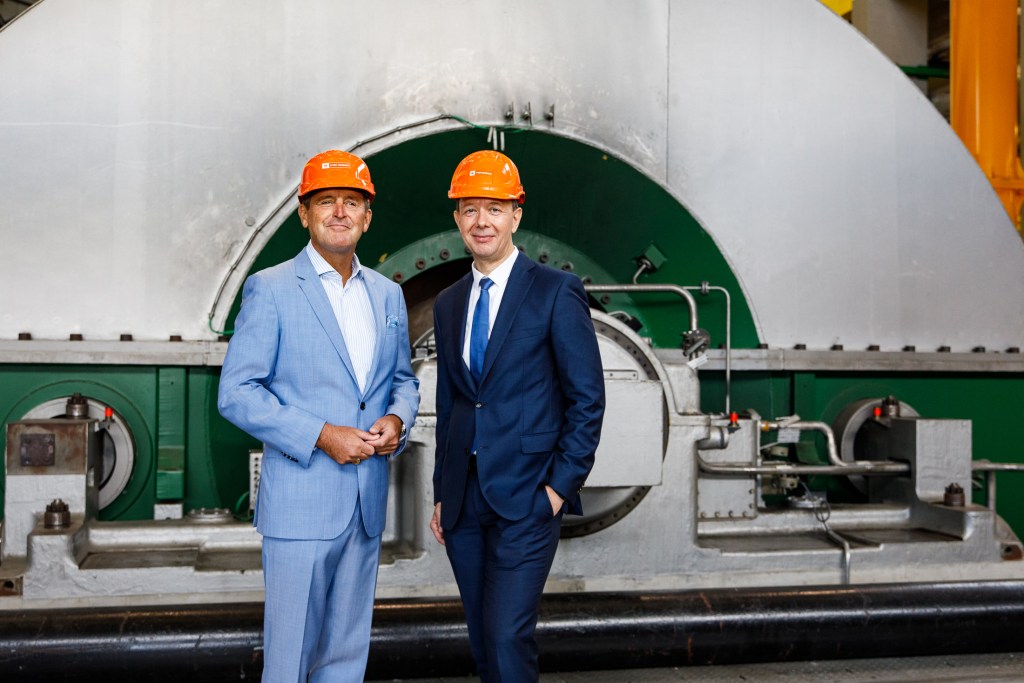
From the options available today, hydrogen is a promising alternative to fossil fuels with some companies, such as Wien Energie, already convinced of its benefits realising projects to test it as an alternative energy source.
The transformation of the Donaustadt power plant is not only a trailblazer for other companies, but also a clear signal that sustainable energy generation is the future.
Addressing physical climate risks is not just a regulatory requirement; it is a strategic imperative for businesses.
Martin Gary discusses whether the insurance industry is currently supporting the sustainable development of aviation, future trends and technologies being harnessed to meet ESG targets, and current restrictions impeding aviation’s sustainable future.
We invited stakeholders along the value chain to shed light on their strategies, new success models, opportunities and risks in the fight against climate change as part of a mini-series on the topic of “sustainable construction”.
General Manager of GrECo Sagauta, Katerina Pavlidi, recently met with Dr Tomas Kontautas, partner at the law firm Sorainen to discuss the sustainable development of the Baltic insurance market and just how green its future will be.
With the ESG spotlight upon us all, company’s need to meticulously craft their future communications strategies, making sure they truly understand the sustainable profile of their products, services, or activities.
The success of the global grid overhaul effort is instrumental to the success of green energy transition and indeed to the improvement of living conditions for the global population in this century and beyond. 
Jürgen Spari spoke to Georg Knill about the challenges of the energy transition for the industrial sector and the impact of the Russia-Ukraine conflict on domestic companies.
Europe needs to cover gas demand with alternative sources. The EU energy security is compromised if there is no diversification to cover Russian gas imports.
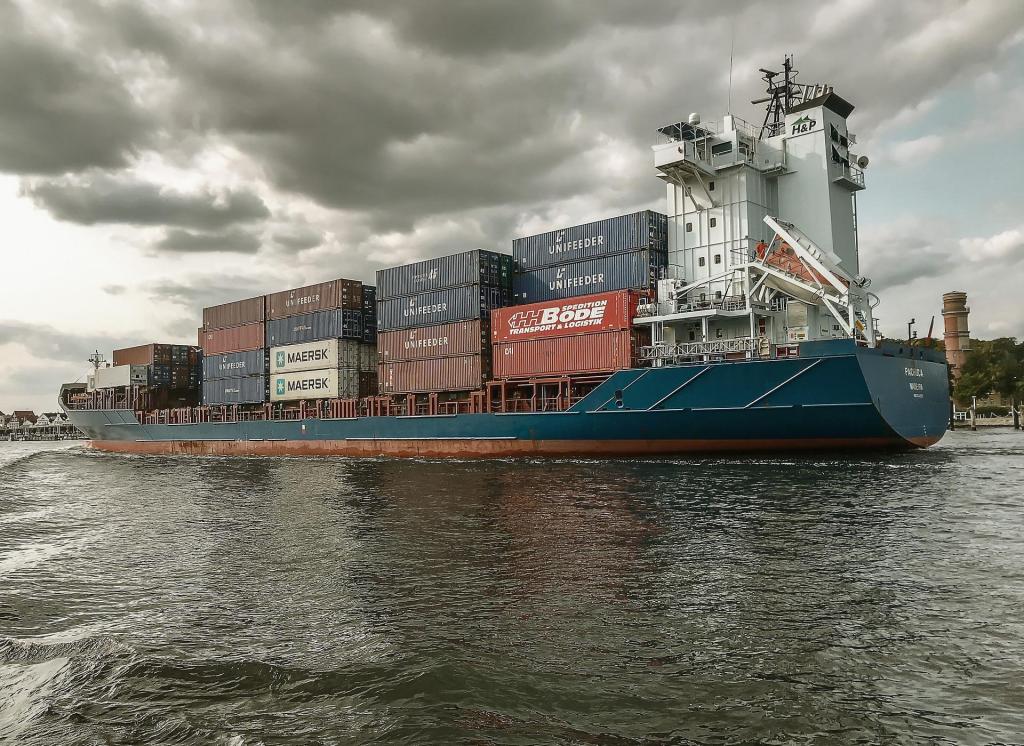
Since the outbreak of the Corona pandemic two years ago, disrupted supply chains have threatened the existence of many companies.
The value of intangible relative to tangible cor­porate assets has steadily increased. Emerging risks threaten the value of both tangible and intangible assets.
With new insurers having entered the market in the past few months, we should see a dampening of the price increases we experienced in the previous two years.
On average, premium rates are expected to increase between 5% to 10%, even for policies with a no-claim history.
An interview with Martin Cerny and Jörg Schönenborn, Telecommunication Executives, and Andreas Schmitt, Insurance Professional.
In the last two years, supply chains were exposed to unforeseen risks. The impact of the pandemic, Evergiven’s blockade of the Suez Canal, or the recent disruptions as a result of Russia’s attack on Ukraine, to name a few. What else must we prepare for?
Many hidden vulnerabilities can be unearthed if you are a bit creative. The key question is: can we live with the outcome? And then you need to give an honest answer.
Where does AI fit into the current policies as it stands, and what could the likely issues be?
We spoke with three leaders from different industries about energy independence in Europe.
 Paul Johannes Spittau explores transformation with Olivera Böhm-Rybak, Chief Corporate Business Officer International and CEO of UNIQA Sustainable Business Solutions.
MGAs operate within authority granted by insurers, with responsibility for underwriting, policy issuance, portfolio management and, depending on the model, claims support or coordination.
Closing the volatility gap means moving beyond reactive risk transfer.
For both infrastructure and real estate to survive, the corporate risk manual needs to be rewritten.
AI can generate information for us, but we still need the intelligence and judgement to understand and interpret it for a particular client.  
By examining data centres, artificial intelligence, and cryptocurrencies, Ketzer highlights how digital progress brings ecological and social risks that are too often ignored.
Georg Winter, CEO of GrECo Group, and Siemens Austria’s CEO Patricia Neumann discussed how AI is transforming industry, work, and governance
In a world rapidly advancing toward quantum computing, have we underestimated the risks and will our reluctance to act now leave our digital world exposed and vulnerable?
How technology will contribute to increasing resilience and why personal responsibility is an important part of risk management.
In an era where artificial intelligence is woven into every aspect of business, the hidden dangers of unsanctioned AI tools are increasingly coming to light.
During a recent panel discussion organised by GrECo Czech Republic, experts in insurance and cyber security examined the most critical cybersecurity challenges and strategies.

The insurance industry is undergoing a profound transformation, driven by the rapid adoption of AI and predictive analytics.
Within healthcare, many doctors and nurses see AI as a promising tool to ease their heavy administrative workload and are eagerly anticipating further advancements.
In an era where artificial intelligence is woven into every aspect of business, the hidden dangers of unsanctioned AI tools are increasingly coming to light.

Georg Winter

CEO GrECo Group

T +43 664 962 39 06