HORIZON Risk Thought >> Fast Forward

Our HORIZON initiative has always stood as a beacon for those who dare to strive forward in business. HORIZON is a platform where boundaries are pushed and the future is envisioned with clarity and determination.

This year, we embrace a renewed spirit of courage – a quality that is not simply admirable in business, but essential. This campaign brings together thinkers and innovators who are challenging the status quo across key areas – risk, sustainability, social change, technology, and governance. Their reflections invite you to consider what courage means personally: how it shapes your ambitions, fuels your imagination, and helps transform the ordinary into the extraordinary.

In the risk management context of these systemic transformations, we classified these “risk changers” that directly affect a company and use the terms:

  • “Environment in danger” for ecological,
  • “Beyond globalisation” for geopolitical,
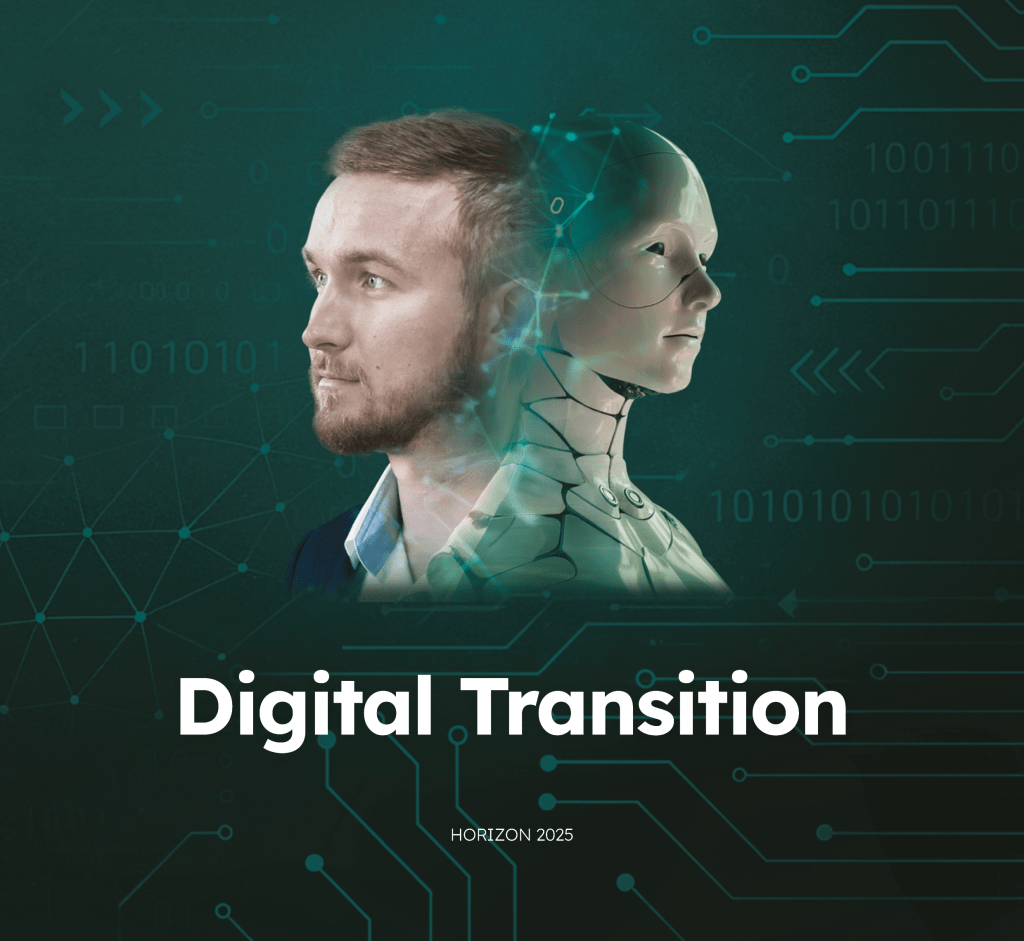
  • “Digital transition” for technological and
  • “Social disruption” for social transformation.

We have created Horizon, firstly as a print publication and now as a platform for sharing the latest insights about ongoing transformations. Our risk specialists will continue to provide their expertise and knowledge to shine a light on the challenges of the future.

We have created HORIZON to share the latest insights about ongoing transformations.
Our risk specialists provide their expertise and knowledge to shine a light on the challenges of the future.

Discover all their latest insights, thoughts and viewpoints, or choose from our systemic risk categories to find out more.

Many hidden vulnerabilities can be unearthed if you are a bit creative. The key question is: can we live with the outcome? And then you need to give an honest answer.
Where does AI fit into the current policies as it stands, and what could the likely issues be?
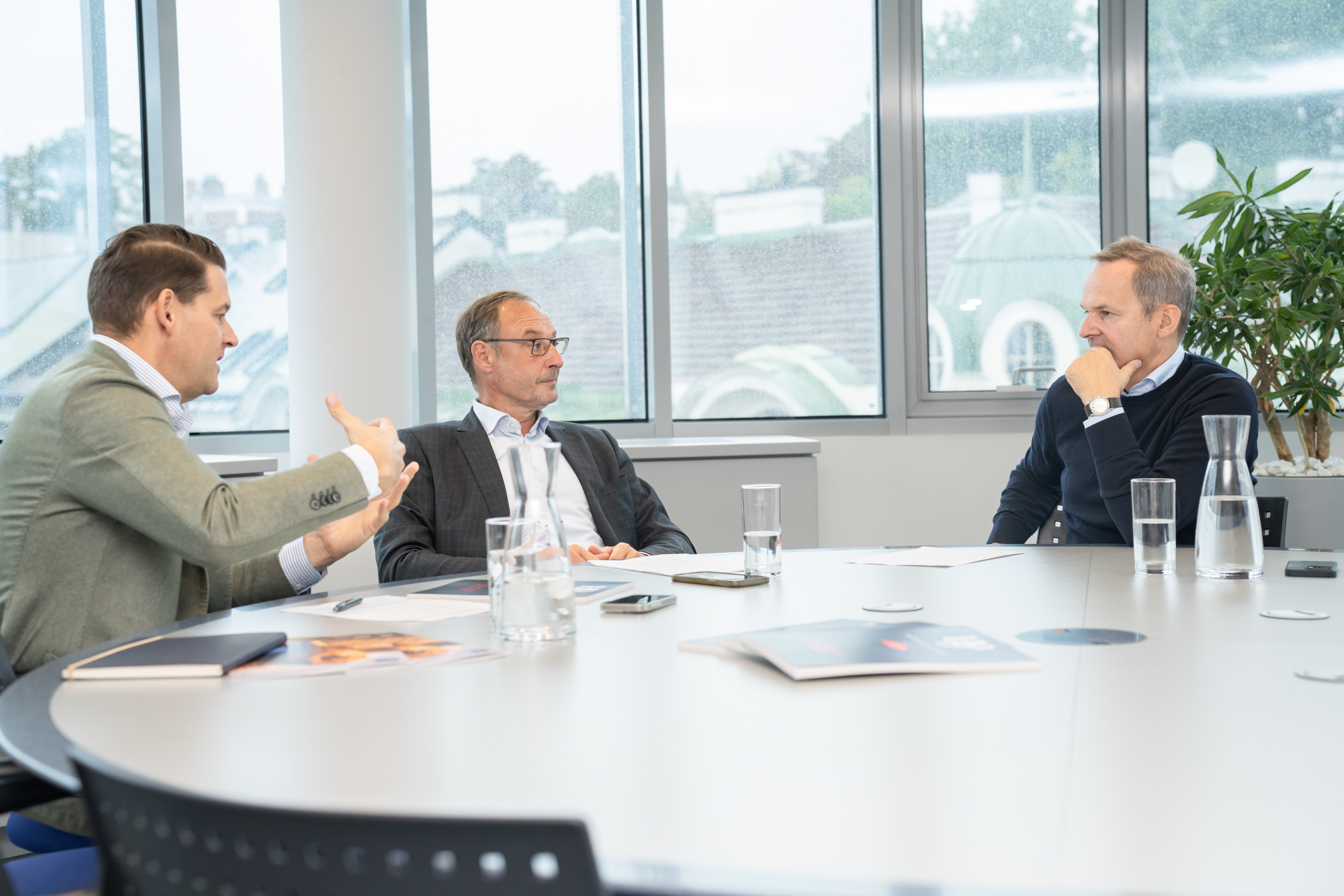
We spoke with three leaders from different industries about energy independence in Europe.
 Paul Johannes Spittau explores transformation with Olivera Böhm-Rybak, Chief Corporate Business Officer International and CEO of UNIQA Sustainable Business Solutions.
MGAs operate within authority granted by insurers, with responsibility for underwriting, policy issuance, portfolio management and, depending on the model, claims support or coordination.
Closing the volatility gap means moving beyond reactive risk transfer.
For both infrastructure and real estate to survive, the corporate risk manual needs to be rewritten.
AI can generate information for us, but we still need the intelligence and judgement to understand and interpret it for a particular client.  
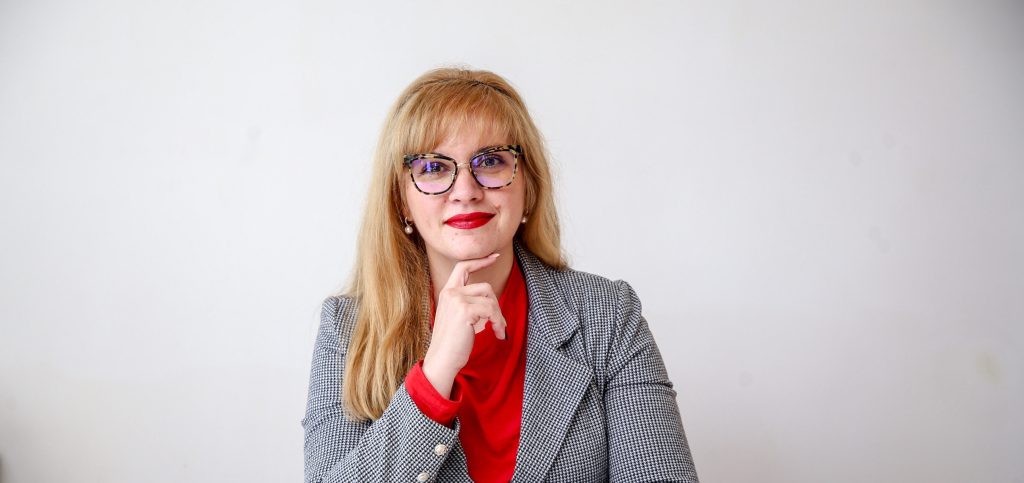
“The important thing here is that managers not only need continuity, but also openness to innovation and change. At the same time, they must stand on a foundation of values and principles that is stable.” – interview with Heimo Scheuch, CEO at wienerberger.
From one of the leading hotels in Innsbruck we learn how the world’s focus on ESG is affecting the hospitality industry and what businesses can do about the increased pressure to change.
Michael Groiss, CFO at F/LIST, talked with Norbert Bucher, Account Manager of F/LIST at GrECo Austria, about how they balance their vision of handcrafting the future of interiors with the growing demand for sustainable production.
HR alone cannot promote the openness to this learning journey; it needs ambassadors to help anchor the green mindset in the corporate culture.
With many countries across the world looking at coal and oil substitutes, renewable energy sources are becoming an increasing part of insurers’ and brokers’ portfolios.
In the face of growing environmental challenges and climate change, insurance companies like UNIQA Group are taking significant steps to embrace sustainability.
“At Erste Group, we have an ESG Office, a dedicated unit focused on sustainability. We are situated within the strategy department, and our main responsibility is to implement the entire regulatory framework of the EU Green Deal within the bank. ”
Procredit Bank, compared to its competitors in Georgia, is leading the charge when it comes to reducing the Georgia’s environmental footprint.
If carefully designed and managed, a captive is a tool in the risk manager’s toolbox for large companies that can help build resilience to future transformation risks as a result of climate change, amongst other things.
Der Versicherungsmarkt bietet derzeit attraktive Chancen. Gleichzeitig verändern geopolitische Risiken die Spielregeln für Unternehmen nachhaltig. Wie sich beide Entwicklungen auf Risikomanagement und Versicherungsstrategien auswirken, zeigt unser neuer Folder Versicherungsmarkt 2027.
In einer Zeit, die von geopolitischen Umbrüchen, wirtschaftlicher Volatilität und zunehmendem ökologischen Druck geprägt ist, sehen sich österreichische Unternehmen mit einem immer komplexer werdenden Risikoumfeld konfrontiert.
Ist es ein Klischee zu glauben, dass Frauen härter arbeiten müssen, um in männerdominierten Branchen erfolgreich zu sein?
Under the title “Environment in danger”, our upcoming HORIZON series concentrates on the ecological transformation and therefore looks at all its challenges from various angles.
Other crises, the climate crisis being a prominent example, are more likely to emerge as developments that gradually manifest themselves.
An effective risk management process is a basic requirement for tackling transformation risks.
Mariana Kühnel, Deputy General Secretary of the Austrian Chamber of Commerce spoke about staying calm in these unpredictable times and how Europe can gain comparative advantages.
Economic sanctions used for foreign policy purposes are economic penalties – such as prohibiting trade, stopping financial transactions or barring economic and military assistance – used to influence a nation and provide incentives for obedience with the rule of law or other governing rules and regulations.
This article will provoke thoughts and create awareness about the new political world order, the changing influence of Western and Eastern powers as well as the emergence and formation of a new centre of gravity in the global economy. It takes a close look at an emerging geopolitical dominance and focuses on the new crossroads between the West and the East – the New Silk Roads.
This article explores how a health and organisational psychologist played a pivotal role in easing the merger transition at GrECo Hungary.
Ewelina Jaworska-Bien, Group Practice Leader for Health & Benefit at GrECo Specialty, shares her insights on the hot topic of the gender pay gap.
In recent years, Europe has been grappling with a serious labour shortage which is impacting nearly all economic sectors due to an ageing population, low birth rates, and migration.
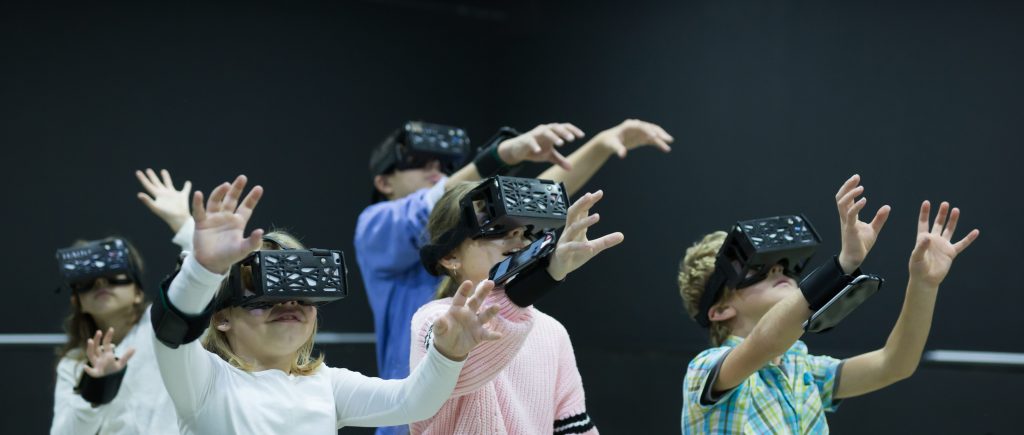
Generation Alpha is the first generation to be born entirely in the digital age. This digital fluency presents both opportunities and challenges for organisations.
An air gap is the physical separation between critical systems and public networks theoretically minimising the risk of cyberattacks. 
The recruitment landscape in real estate is becoming increasingly competitive, and companies need to differentiate themselves to attract top talent.
IIZI’s journey with bespoke solutions has been a testament to the power of tailored services in enhancing client satisfaction.
Considering that play is central to developing imagination, agility, creativity, resourcefulness, adaptability, and innovative capabilities, why would we want to limit it? 
Austria’s pension system is facing significant challenges, hampered by a reluctance to adapt to demographic and economic pressures.
How will global insurance and reinsurance adapt to new challenges and navigate the stormy waters of the 21st century?
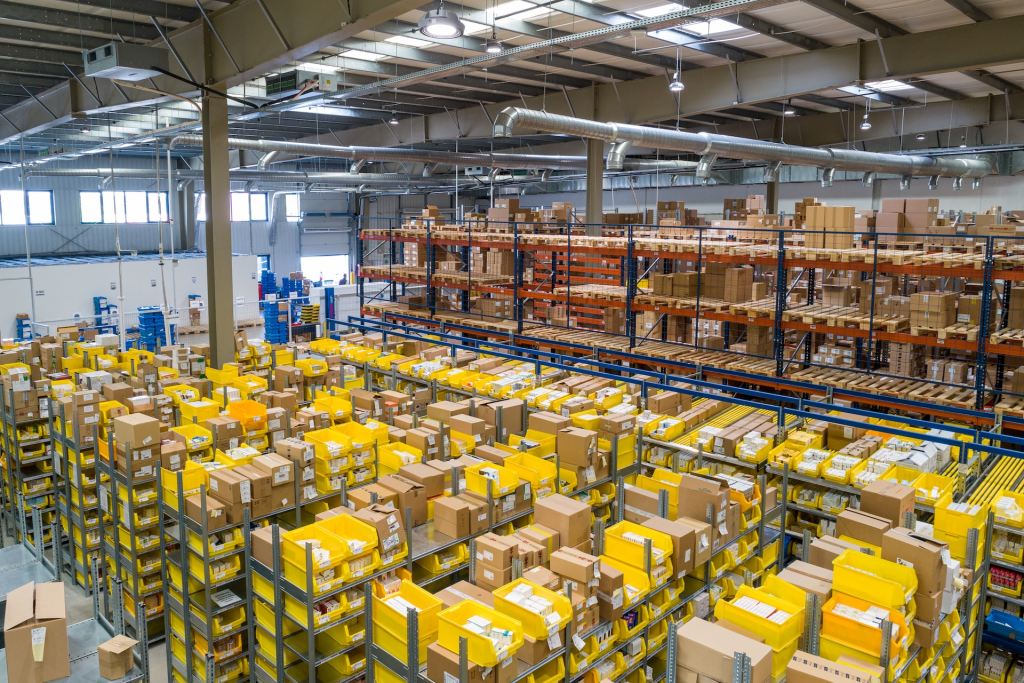
Driverless transport systems, packaging, loading and reloading are already typical robotic examples which will gain in importance.
The Covid-19 pandemic has accelerated existing trends which will continue to shape the real estate sector in the years to come.
Motor insurance used to be a pretty standardised product. This will change.
There are three megatrends which will affect the entire healthcare system in the near future: an increasing and aging population, lack of medical staff as well as a rising dependency on new technologies
At the same time and with increasing urbanisation, infrastructure and smart city developments, a stronger focus will be put on making infrastructure and transport more efficient and sustainable.
Traditional B2B and B2C companies are increasingly working together and are increasingly building a new B2B2C business (Business to Business to Customer). “Affinity” is the buzzword of the hour.
For industries to remain properly insured, we must be able to quantify the severity of a drought.

Dive deep into our HORIZON print edition which focuses on various transformations and looks at all the challenges they pose from different angles.

Georg Winter

CEO GrECo Group

T +43 664 962 39 06