HORIZON Risk Thought >> Fast Forward

Our HORIZON initiative has always stood as a beacon for those who dare to strive forward in business. HORIZON is a platform where boundaries are pushed and the future is envisioned with clarity and determination.

This year, we embrace a renewed spirit of courage – a quality that is not simply admirable in business, but essential. This campaign brings together thinkers and innovators who are challenging the status quo across key areas – risk, sustainability, social change, technology, and governance. Their reflections invite you to consider what courage means personally: how it shapes your ambitions, fuels your imagination, and helps transform the ordinary into the extraordinary.

In the risk management context of these systemic transformations, we classified these “risk changers” that directly affect a company and use the terms:

  • “Environment in danger” for ecological,
  • “Beyond globalisation” for geopolitical,
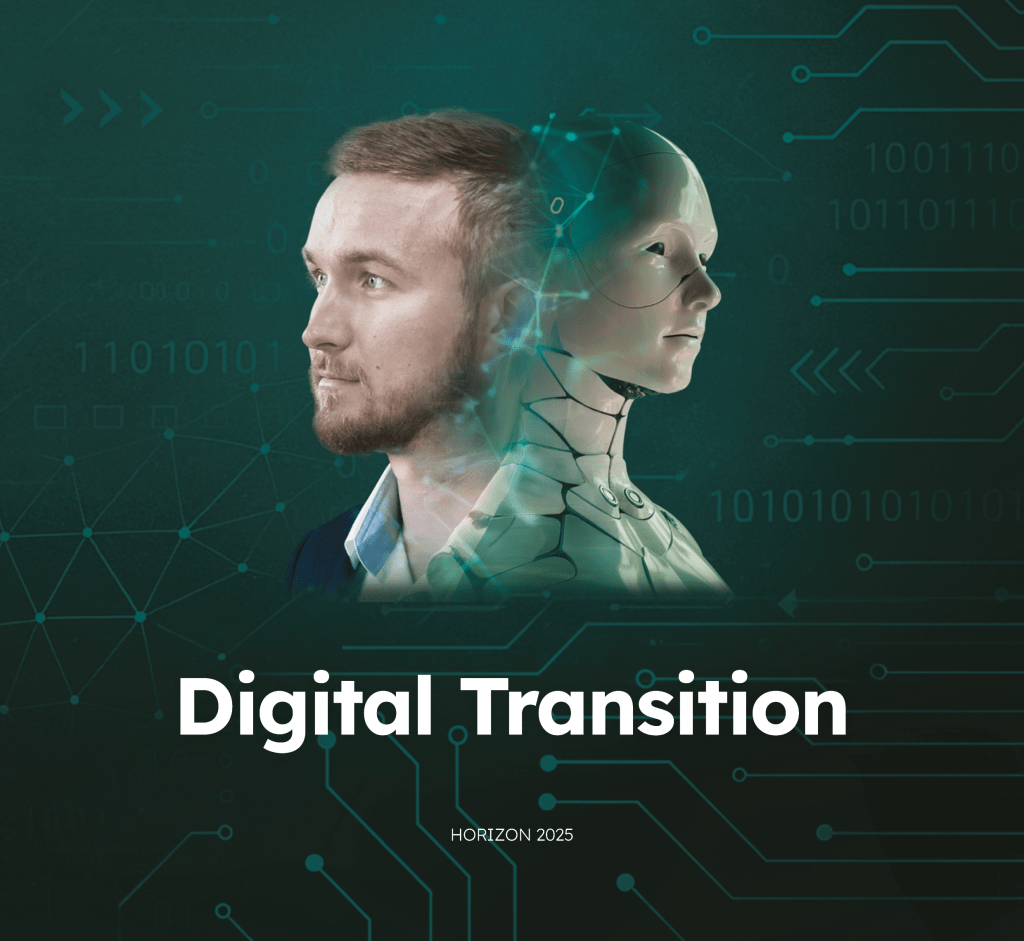
  • “Digital transition” for technological and
  • “Social disruption” for social transformation.

We have created Horizon, firstly as a print publication and now as a platform for sharing the latest insights about ongoing transformations. Our risk specialists will continue to provide their expertise and knowledge to shine a light on the challenges of the future.

We have created HORIZON to share the latest insights about ongoing transformations.
Our risk specialists provide their expertise and knowledge to shine a light on the challenges of the future.

Discover all their latest insights, thoughts and viewpoints, or choose from our systemic risk categories to find out more.

Many hidden vulnerabilities can be unearthed if you are a bit creative. The key question is: can we live with the outcome? And then you need to give an honest answer.
Where does AI fit into the current policies as it stands, and what could the likely issues be?
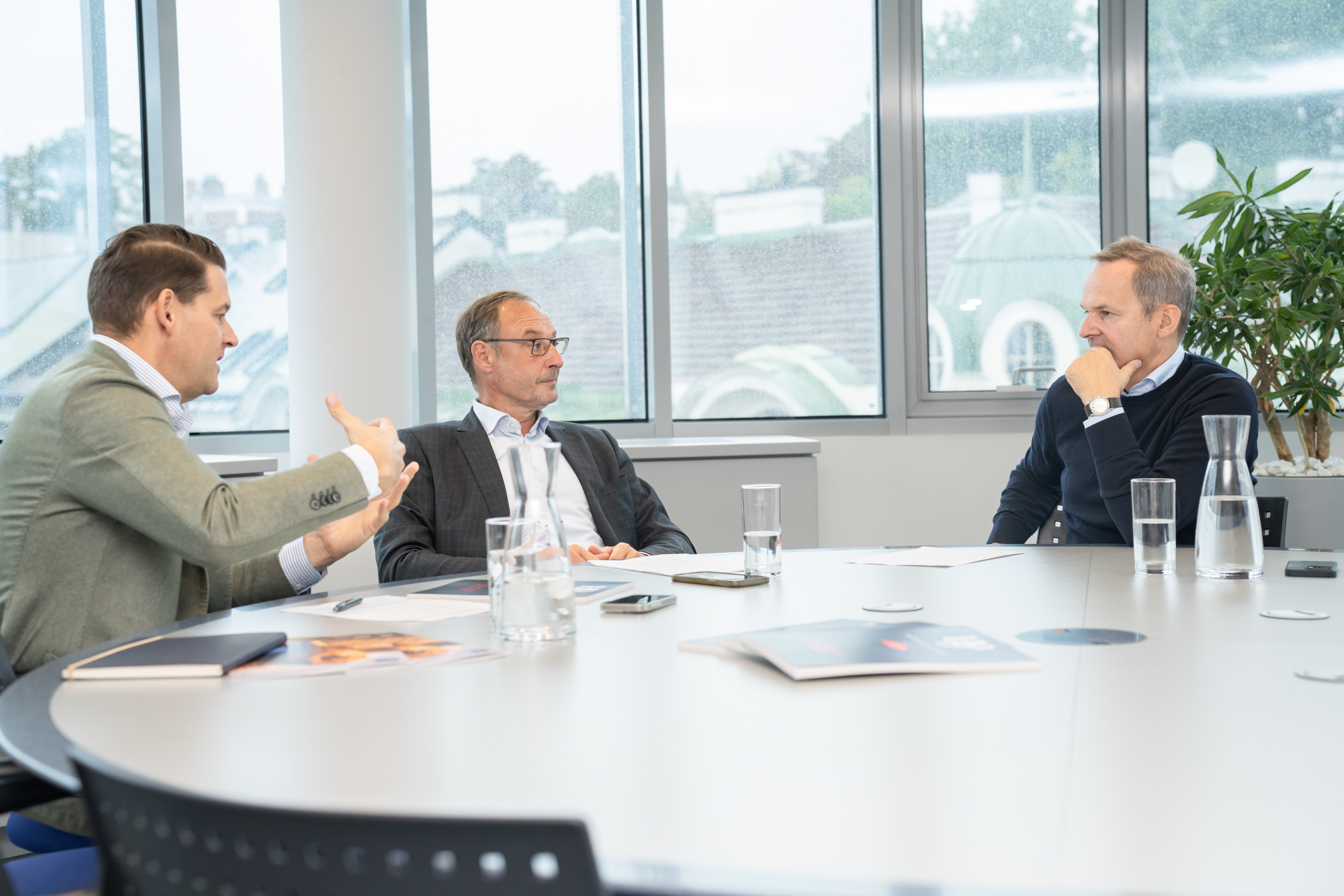
We spoke with three leaders from different industries about energy independence in Europe.
 Paul Johannes Spittau explores transformation with Olivera Böhm-Rybak, Chief Corporate Business Officer International and CEO of UNIQA Sustainable Business Solutions.
MGAs operate within authority granted by insurers, with responsibility for underwriting, policy issuance, portfolio management and, depending on the model, claims support or coordination.
Closing the volatility gap means moving beyond reactive risk transfer.
For both infrastructure and real estate to survive, the corporate risk manual needs to be rewritten.
AI can generate information for us, but we still need the intelligence and judgement to understand and interpret it for a particular client.  
Companies are exposed to various kinds of risks. At the same time, systemic transformation exacerbates existing risks and causes new risks to emerge.
Insurers are faced with a challenge during the energy transition. The past loss experience can no longer be used for predictive scenarios. New risks will emerge.
Comprehensive risk analyses combined with a presentation of the risks will be necessary for a successful renewal.
Amongst those most affected by decarbonisation efforts is the financial services industry, such as equity investors, lenders and insurers.
New modelling and technical tools are being utilised more than ever as insurers want to understand the complex technicalities of cargo risks.
 The insurance sector has adopted the ESG targets with every company developing an ESG strategy. The sector is particularly affected by climate change,
The prevention of damage from severe weather events will play an important role in future risk management.
The international shipping industry produced just over one billion tons of greenhouse gases (GHG) in 2018, almost 10% more than in 2012.
Environmental protection and measures curbing climate change have not lost their geopolitical and socio-political relevance during the pandemic.
Der Versicherungsmarkt bietet derzeit attraktive Chancen. Gleichzeitig verändern geopolitische Risiken die Spielregeln für Unternehmen nachhaltig. Wie sich beide Entwicklungen auf Risikomanagement und Versicherungsstrategien auswirken, zeigt unser neuer Folder Versicherungsmarkt 2027.
In einer Zeit, die von geopolitischen Umbrüchen, wirtschaftlicher Volatilität und zunehmendem ökologischen Druck geprägt ist, sehen sich österreichische Unternehmen mit einem immer komplexer werdenden Risikoumfeld konfrontiert.
Ist es ein Klischee zu glauben, dass Frauen härter arbeiten müssen, um in männerdominierten Branchen erfolgreich zu sein?
Under the title “Environment in danger”, our upcoming HORIZON series concentrates on the ecological transformation and therefore looks at all its challenges from various angles.
Other crises, the climate crisis being a prominent example, are more likely to emerge as developments that gradually manifest themselves.
An effective risk management process is a basic requirement for tackling transformation risks.
Mariana Kühnel, Deputy General Secretary of the Austrian Chamber of Commerce spoke about staying calm in these unpredictable times and how Europe can gain comparative advantages.
Economic sanctions used for foreign policy purposes are economic penalties – such as prohibiting trade, stopping financial transactions or barring economic and military assistance – used to influence a nation and provide incentives for obedience with the rule of law or other governing rules and regulations.
This article will provoke thoughts and create awareness about the new political world order, the changing influence of Western and Eastern powers as well as the emergence and formation of a new centre of gravity in the global economy. It takes a close look at an emerging geopolitical dominance and focuses on the new crossroads between the West and the East – the New Silk Roads.
This article explores how a health and organisational psychologist played a pivotal role in easing the merger transition at GrECo Hungary.
Ewelina Jaworska-Bien, Group Practice Leader for Health & Benefit at GrECo Specialty, shares her insights on the hot topic of the gender pay gap.
In recent years, Europe has been grappling with a serious labour shortage which is impacting nearly all economic sectors due to an ageing population, low birth rates, and migration.
Generation Alpha is the first generation to be born entirely in the digital age. This digital fluency presents both opportunities and challenges for organisations.
An air gap is the physical separation between critical systems and public networks theoretically minimising the risk of cyberattacks. 
The recruitment landscape in real estate is becoming increasingly competitive, and companies need to differentiate themselves to attract top talent.
IIZI’s journey with bespoke solutions has been a testament to the power of tailored services in enhancing client satisfaction.
Considering that play is central to developing imagination, agility, creativity, resourcefulness, adaptability, and innovative capabilities, why would we want to limit it? 
Austria’s pension system is facing significant challenges, hampered by a reluctance to adapt to demographic and economic pressures.
Helen Evert, Account Manager for Financial Lines at IIZI Estonia highlights how even advanced IT organisations remain vulnerable, urging a rethink of trust in today’s digital landscape.
By focusing on behaviour rather than just content, organisations can drive meaningful change and boost employee engagement in today’s rapidly evolving landscape.
At a time when digital intelligence is shaping the sustainability agenda, the intersection of logistics innovation and European vision has never been more critical.
Investments in BESS are not merely technical upgrades; they are strategic moves to enhance a country’s energy resilience in an increasingly interconnected and data-driven world.
As digital technologies reshape modern life in Central and Eastern Europe, balancing connectivity and mental well-being has become vital.
Digital humans – Digi Humans – are AI-powered personalities who can have conversations, express emotions, and convey information in a way that feels natural and human.
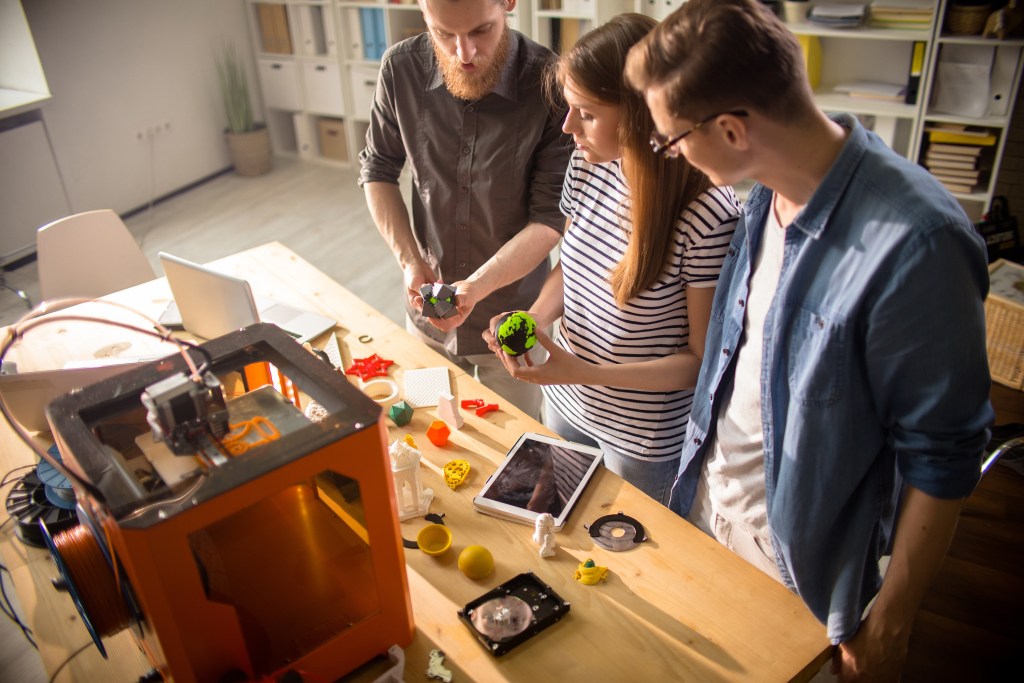
The company’s influence is such that its proprietary filament brand, “Prusament,” has entered common parlance among retailers and users alike.
By examining data centres, artificial intelligence, and cryptocurrencies, Ketzer highlights how digital progress brings ecological and social risks that are too often ignored.
Georg Winter, CEO of GrECo Group, and Siemens Austria’s CEO Patricia Neumann discussed how AI is transforming industry, work, and governance

Dive deep into our HORIZON print edition which focuses on various transformations and looks at all the challenges they pose from different angles.

Georg Winter

CEO GrECo Group

T +43 664 962 39 06