HORIZON Risk Thought >> Fast Forward

The complexity of today´s risk environment is changing at an accelerating pace, making risk management even more challenging. We address these challenges by highlighting underlying systemic transformations and their implications for future risk and insurance management in various sectors.

In the risk management context of these systemic transformations, we classified these “risk changers” that directly affect a company and use the terms:

  • “Environment in danger” for ecological,
  • “Beyond globalisation” for geopolitical,
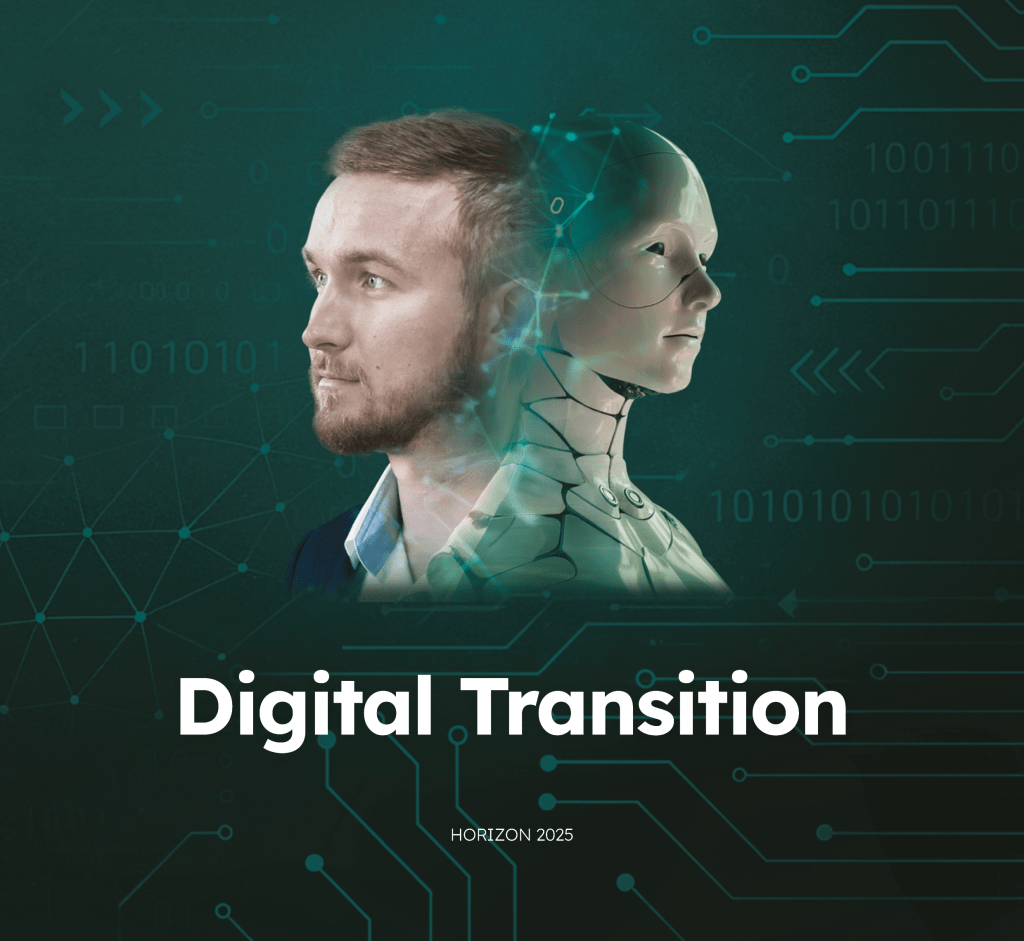
  • “Digital transition” for technological and
  • “Social disruption” for social transformation

In the risk management context of these systemic transformations, we classified these “risk changers” that directly affect a company and use the terms:

  • “Environment in danger” for ecological,
  • “Beyond globalisation” for geopolitical,
  • “Digital transition” for technological and
  • “Social disruption” for social transformation.

We have created Horizon, firstly as a print publication and now as a platform for sharing the latest insights about ongoing transformations. Our risk specialists will continue to provide their expertise and knowledge to shine a light on the challenges of the future.
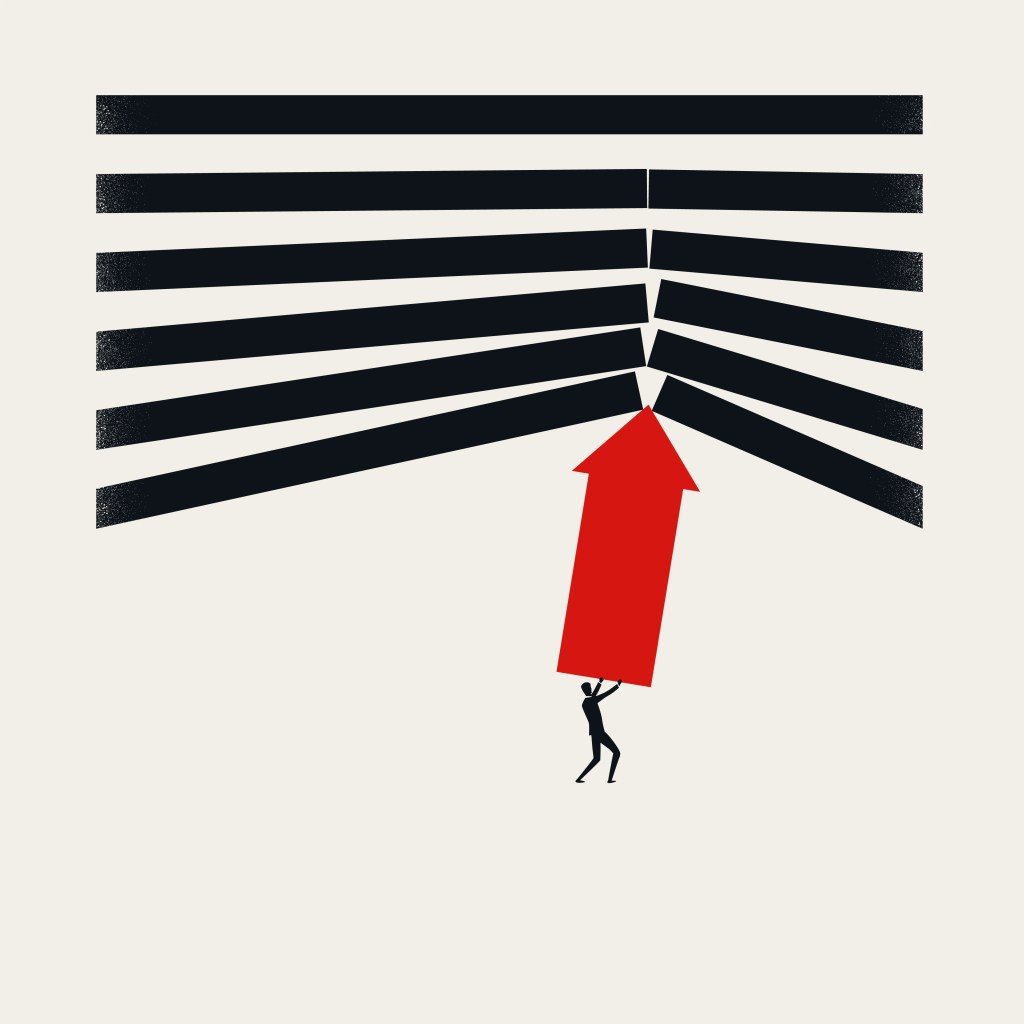
We have created HORIZON to share the latest insights about ongoing transformations.
Our risk specialists provide their expertise and knowledge to shine a light on the challenges of the future.

Discover all their latest insights, thoughts and viewpoints, or choose from our systemic risk categories to find out more.

The international insurance industry is no longer willing to agree on coverage for Russia and Belarus. The options for coverage in Ukraine are very limited.
Employers need to go back to basics and look at the structure of the benefits they offer and determine if it must be changed or stepped up. Now is the time to do it.
Nowadays, employees expect more from their employer than ever before. Meeting these expectations will involve more personalisation of the benefits offering.
How will global insurance and reinsurance adapt to new challenges and navigate the stormy waters of the 21st century?
Jürgen Spari spoke to Georg Knill about the challenges of the energy transition for the industrial sector and the impact of the Russia-Ukraine conflict on domestic companies.
Europe needs to cover gas demand with alternative sources. The EU energy security is compromised if there is no diversification to cover Russian gas imports.
Since the outbreak of the Corona pandemic two years ago, disrupted supply chains have threatened the existence of many companies.
The value of intangible relative to tangible cor­porate assets has steadily increased. Emerging risks threaten the value of both tangible and intangible assets.
Insurers are faced with a challenge during the energy transition. The past loss experience can no longer be used for predictive scenarios. New risks will emerge.
“The important thing here is that managers not only need continuity, but also openness to innovation and change. At the same time, they must stand on a foundation of values and principles that is stable.” – interview with Heimo Scheuch, CEO at wienerberger.
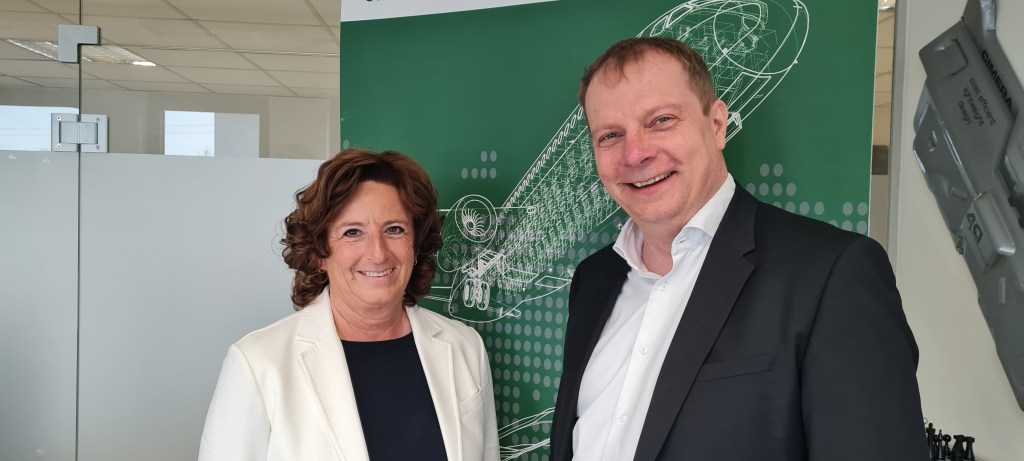
From one of the leading hotels in Innsbruck we learn how the world’s focus on ESG is affecting the hospitality industry and what businesses can do about the increased pressure to change.
Michael Groiss, CFO at F/LIST, talked with Norbert Bucher, Account Manager of F/LIST at GrECo Austria, about how they balance their vision of handcrafting the future of interiors with the growing demand for sustainable production.
HR alone cannot promote the openness to this learning journey; it needs ambassadors to help anchor the green mindset in the corporate culture.
With many countries across the world looking at coal and oil substitutes, renewable energy sources are becoming an increasing part of insurers’ and brokers’ portfolios.
In the face of growing environmental challenges and climate change, insurance companies like UNIQA Group are taking significant steps to embrace sustainability.
“At Erste Group, we have an ESG Office, a dedicated unit focused on sustainability. We are situated within the strategy department, and our main responsibility is to implement the entire regulatory framework of the EU Green Deal within the bank. ”

Procredit Bank, compared to its competitors in Georgia, is leading the charge when it comes to reducing the Georgia’s environmental footprint.
If carefully designed and managed, a captive is a tool in the risk manager’s toolbox for large companies that can help build resilience to future transformation risks as a result of climate change, amongst other things.
When geopolitical shockwaves hit, PRI doesn’t flinch. And that stability is often exactly what lenders, investors, and boards need to see.
The priority right now for Financial Institutions and Property related industries must be to make sure their KYC and other anti-money laundering controls are as tight as possible
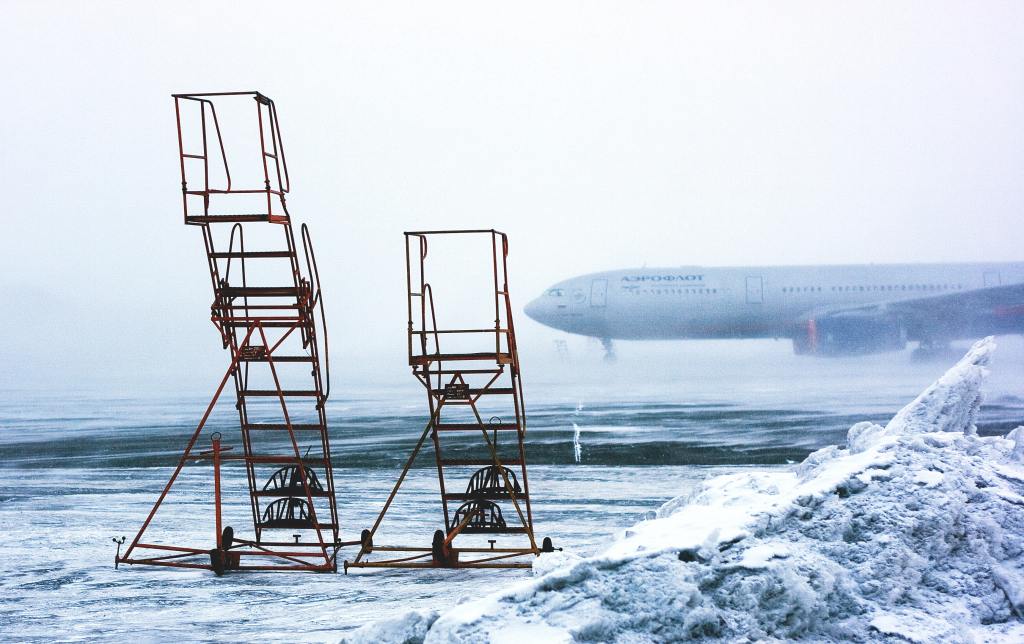
This article summarises the key insurance‑relevant developments and outlines what aviation customers must consider immediately.
Robust crisis protocols are not just a protective measure, they are essential for operational continuity in today’s unpredictable landscape.
In times of geopolitical uncertainty, attempting to predict events is less important than preparing for rapid change.
In einer Zeit, die von geopolitischen Umbrüchen, wirtschaftlicher Volatilität und zunehmendem ökologischen Druck geprägt ist, sehen sich österreichische Unternehmen mit einem immer komplexer werdenden Risikoumfeld konfrontiert.
Ist es ein Klischee zu glauben, dass Frauen härter arbeiten müssen, um in männerdominierten Branchen erfolgreich zu sein?
Under the title “Environment in danger”, our upcoming HORIZON series concentrates on the ecological transformation and therefore looks at all its challenges from various angles.
Other crises, the climate crisis being a prominent example, are more likely to emerge as developments that gradually manifest themselves.
Gabriele Andratschke, Head of HR at GrECo Group, recently shared her expertise on multigeneration workforces with Lisbeth Lorenz
Strategic acquisition strengthens GrECo’s market position and enhances service offerings in Southeastern Europe.
Ewelina Jaworska-Bein delves into this transformative trend and highlights the myriad of benefits these healthcare apps are bring to organisations and their employees.
This article explores how a health and organisational psychologist played a pivotal role in easing the merger transition at GrECo Hungary.
Ewelina Jaworska-Bien, Group Practice Leader for Health & Benefit at GrECo Specialty, shares her insights on the hot topic of the gender pay gap.
In recent years, Europe has been grappling with a serious labour shortage which is impacting nearly all economic sectors due to an ageing population, low birth rates, and migration.
Generation Alpha is the first generation to be born entirely in the digital age. This digital fluency presents both opportunities and challenges for organisations.
An air gap is the physical separation between critical systems and public networks theoretically minimising the risk of cyberattacks. 
The recruitment landscape in real estate is becoming increasingly competitive, and companies need to differentiate themselves to attract top talent.
A Conversation with Fintech Visionary Magda Milas
Jurgen Spari, and Christa Zengerer, Managing Director of ACstyria Mobilitätscluster, the future challenges and opportunities in the automotive, aerospace, and rail systems sectors.
Laura Hochegger sits down with Janice Goodenough from HYDROGRID to discuss the untapped potential of hydropower.
How Robotics, Automation, and Artificial Intelligence Are Changing the Labour Market
We are in a time where advancements are once again having a profound impact on civilization but with one crucial difference.
Under the title “Environment in danger”, our upcoming HORIZON series concentrates on the ecological transformation and therefore looks at all its challenges from various angles.
Other crises, the climate crisis being a prominent example, are more likely to emerge as developments that gradually manifest themselves.
An effective risk management process is a basic requirement for tackling transformation risks.
Companies are exposed to various kinds of risks. At the same time, systemic transformation exacerbates existing risks and causes new risks to emerge.

Dive deep into our HORIZON print edition which focuses on various transformations and looks at all the challenges they pose from different angles.

Georg Winter

CEO GrECo Group

T +43 664 962 39 06