HORIZON Risk Thought >> Fast Forward

Unsere HORIZON-Initiative war schon immer ein Wegweiser für alle, die es wagen, im Geschäftsleben neue Wege zu beschreiten. HORIZON ist eine Plattform, auf der Grenzen verschoben werden und die Zukunft mit Klarheit und Entschlossenheit angegangen wird.

HORIZON Risk Talks

Die Welt verändert sich. Wie reagieren Unternehmen darauf? In HORIZON Risk Talks teilen Expert:innen und Führungskräfte ihre Perspektiven auf Transformation und die daraus entstehenden Risiken und Chancen.

Wir haben HORIZON ins Leben gerufen, um die neuesten Erkenntnisse über aktuelle Veränderungen zu teilen.
Unsere Risikospezialist:innen stellen ihr Fachwissen und ihre Kenntnisse zur Verfügung, um die Herausforderungen der Zukunft zu beleuchten.

Entdecken Sie ihre neuesten Erkenntnisse, Gedanken und Standpunkte oder wählen Sie aus unseren systemischen Risikokategorien, um mehr zu erfahren. Die Inhalte basieren auf dem gebündelten Wissen unseres internationalen GrECo Netzwerks. Aus diesem Grund sind einzelne Beiträge in englischer Sprache verfasst; ergänzend stehen weitere Artikel in deutscher Sprache zur Verfügung.

Real cyber resilience begins when leaders stop chasing certainty and ask what they can still influence when control ends. 
Cyber property damage refers to physical damage caused by a cyber incident, including damage to machinery, infrastructure or stock. 
Finding the right speed and assessing the market correctly is the biggest challenge. Transformation must take place, but at what speed?
DECCI is a Czech energy group founded in 2007, focused on modern and renewable energy sources. DECCI pioneered renewables with one of the first solar power plants in the Czech Republic.
Nearly one in four companies in Romania (23%) has already experienced a cyberattack, yet many still treat the risk as moderate until disruption becomes real.
Daniel’s message to companies is simple: give people with disabilities the chance to do an apprenticeship, show appreciation, and make work assistance available. 
The courageous move is not the grand statement. It is the willingness to be inconvenienced, today, for fairness, and to take responsibility for impact, not just intent. 
Fragmentation is usually discussed as a weakness. However, I believe that for the Georgian insurance market, it can also be an advantage.  
Through directives and requirements, we try to improve cybersecurity in general. But in cybersecurity, the courage to transform does not lie only in adopting new technologies.
One of the greatest climate hazards for industry caused by heat and drought is the decreasing availability of water.
Ist es ein Klischee zu glauben, dass Frauen härter arbeiten müssen, um in männerdominierten Branchen erfolgreich zu sein?
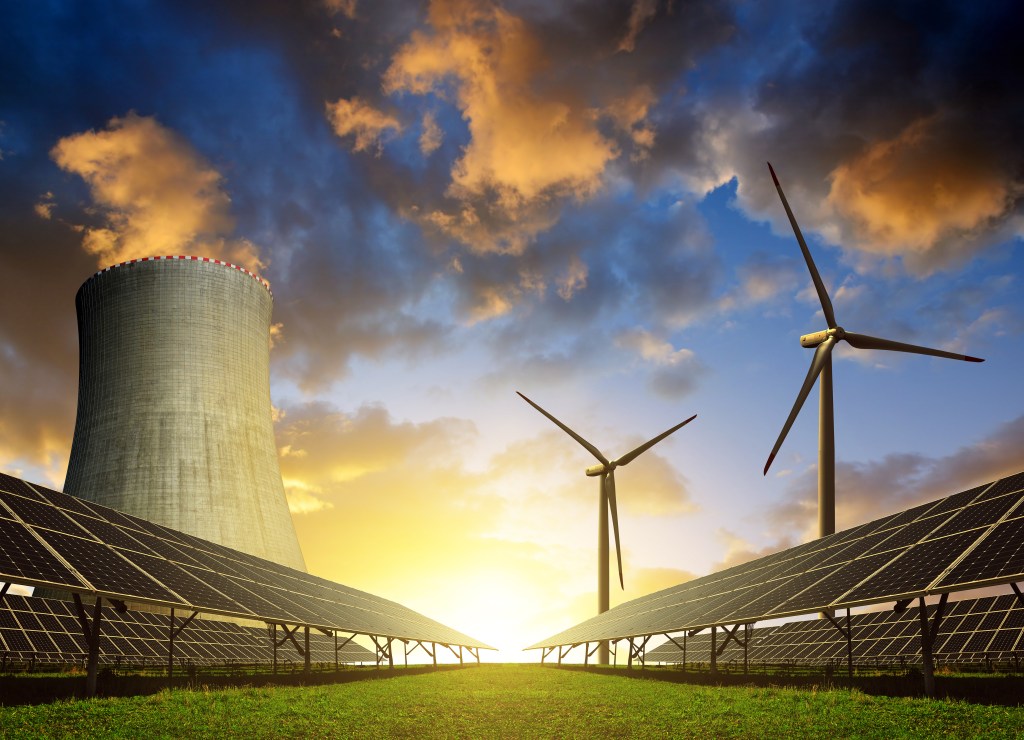
From the options available today, hydrogen is a promising alternative to fossil fuels with some companies, such as Wien Energie, already convinced of its benefits realising projects to test it as an alternative energy source.
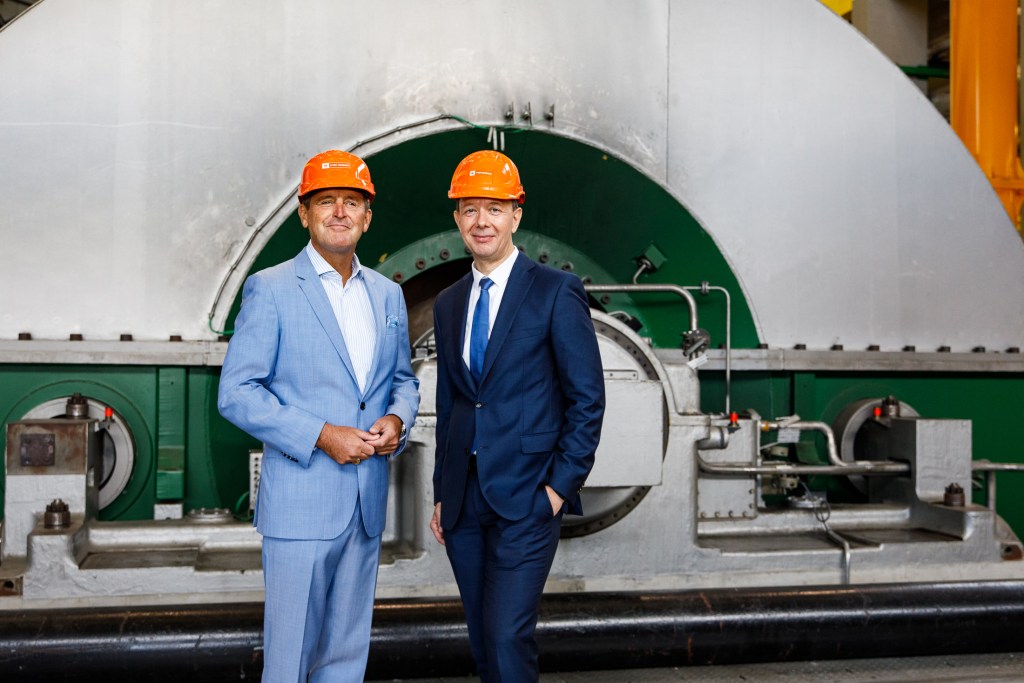
The transformation of the Donaustadt power plant is not only a trailblazer for other companies, but also a clear signal that sustainable energy generation is the future.
Addressing physical climate risks is not just a regulatory requirement; it is a strategic imperative for businesses.
Martin Gary discusses whether the insurance industry is currently supporting the sustainable development of aviation, future trends and technologies being harnessed to meet ESG targets, and current restrictions impeding aviation’s sustainable future.
We invited stakeholders along the value chain to shed light on their strategies, new success models, opportunities and risks in the fight against climate change as part of a mini-series on the topic of “sustainable construction”.
General Manager of GrECo Sagauta, Katerina Pavlidi, recently met with Dr Tomas Kontautas, partner at the law firm Sorainen to discuss the sustainable development of the Baltic insurance market and just how green its future will be.
With the ESG spotlight upon us all, company’s need to meticulously craft their future communications strategies, making sure they truly understand the sustainable profile of their products, services, or activities.
Plans are underway to construct a new power plant fuelled by waste material on the premises of Rondo Ganahl AG as part of the Initiative “Energy Autonomy Frastanz”. The new plant in Austria’s most western province will cover the future thermal energy demand of the Rondo paper mill and corrugated board plant and will also supply other businesses and private households.
Emerging risks and new threats that are hard to grasp and estimate are a much-discussed topic. Add to that today’s increasing number of Black Swan events. These are unprecedented and unexpected events which nobody could have imagined, making them almost impossible to predict.
According to the International Monetary Fund food and energy are the main drivers of today’s inflation. That is obvious to each of us as we pay more for both food and energy these days.
Max Pernsteiner, Vice President Global Purchasing & Supply Chain at ENGEL Austria GmbH, spoke with Johannes Vogl, General Manager at GrECo Risk Engineering GmbH, about supply chains and their risks.
In the last two years, supply chains were exposed to unforeseen risks. The impact of the pandemic, Evergiven’s blockade of the Suez Canal, or the recent disruptions as a result of Russia’s attack on Ukraine, to name a few. What else must we prepare for?
Krystle Lippert, Strategic Sales Manager at GrECo in Austria, has spoken with Dr. Gerald Dums, Head of Purchase of Technical Equipment & Logistics at Donau Chemie AG about supply chain problems and procurement and logistics resilience.
Our multipolar world and its myriad of geopolitical forces presents us and our clients with a vast, multidimensional array of risks. As bleak as this may sound, geopolitics and its impact on energy also offers a number of opportunities.
With the aftershocks of the pandemic, the ripple effects of the Ukraine war, and more frequent and severe natural catastrophes that affect our climate and today’s population, we are at a crossroads, and the construction sector is no exception.
For the past years and certainly since 24 February 2022, we have had many opportunities to witness the power of geopolitics, its decisive impact on domestic and international politics and the supply of energy throughout the world.
Under the title “Environment in danger”, our upcoming HORIZON series concentrates on the ecological transformation and therefore looks at all its challenges from various angles.
Other crises, the climate crisis being a prominent example, are more likely to emerge as developments that gradually manifest themselves.
An effective risk management process is a basic requirement for tackling transformation risks.
From an HR perspective, the past three years were predominantly shaped by the challenges and crises that have influenced our activities since the beginning of the pandemic. The impact of volatility, uncertainty, complexity, and ambiguity – the VUCA world – has become more pronounced with each crisis that has hit both the economic environment of organisations and people`s personal lives.
The biggest problem of the insurance industry today is the fact that the sales of an insurance product are separated from the sales of the core product or service that the insurance is associated with.
Companies are exposed to various kinds of risks. At the same time, systemic transformation exacerbates existing risks and causes new risks to emerge.
Employers need to go back to basics and look at the structure of the benefits they offer and determine if it must be changed or stepped up. Now is the time to do it.
Nowadays, employees expect more from their employer than ever before. Meeting these expectations will involve more personalisation of the benefits offering.
An interview with Mario Gerber, Austrian tourism expert.
The most significant failures may not arise from technical problems alone, but from adopting AI without clear responsibilities, controls and decision boundaries.
For Vienna Airport, the value of AI lies less in individual flagship projects. Its real impact comes from the cumulative effect of many operational improvements.  
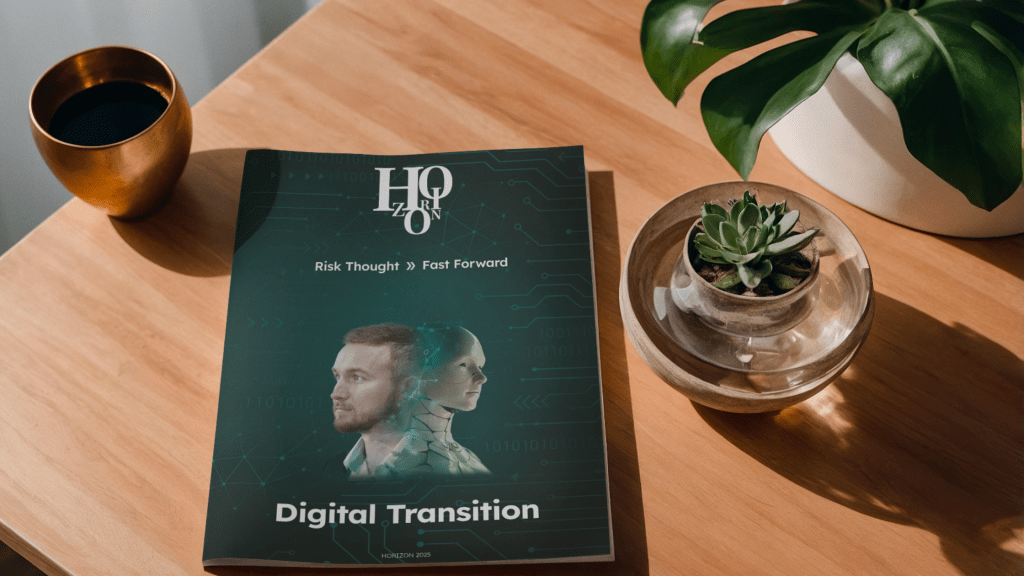
We are excited to announce the release of the 5th Horizon Risk Thought » Fast Forward publication!
In this exclusive interview, we bring together two leading voices on digital transformation in Central and Eastern Europe: Ursula Deschka, CEO of ERGO Baltics and Georg Winter, CEO of GrECo Group.
Peter Papp, sat down with Peter Bešina, founder of Paralla and Cryptodiggers, to discuss the evolution of cryptocurrencies.
Fear appeal is a common tactic to highlight the dangers of unsafe cyber behaviour in many cybersecurity awareness campaigns.
One practical application of AI is in the digitalization of HR processes. Tasks such as document management and onboarding can be streamlined, reducing errors and saving time.
Excessive reliance on devices is leading to “digital dementia,” a rise in memory lapses, diminished focus, and cognitive fatigue – even among youth and the workforce.
Digital transformation is reshaping higher education, but what does that really look like for universities on the ground?

Tauchen Sie tief in unsere HORIZON-Printausgabe ein, die sich auf verschiedene Transformationen konzentriert und alle damit verbundenen Herausforderungen aus unterschiedlichen Blickwinkeln betrachtet.