HORIZON Risk Thought >> Fast Forward

The complexity of today´s risk environment is changing at an accelerating pace, making risk management even more challenging. We address these challenges by highlighting underlying systemic transformations and their implications for future risk and insurance management in various sectors.

In the risk management context of these systemic transformations, we classified these “risk changers” that directly affect a company and use the terms:

  • “Environment in danger” for ecological,
  • “Beyond globalisation” for geopolitical,
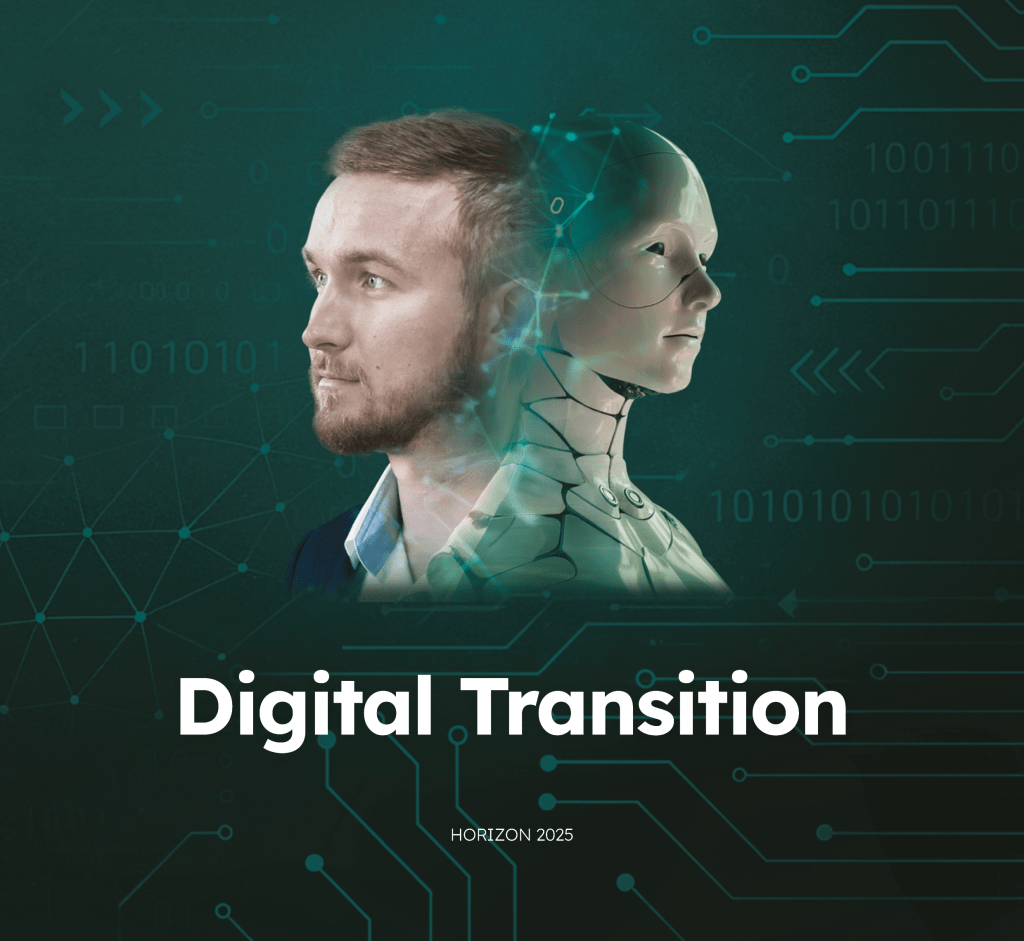
  • “Digital transition” for technological and
  • “Social disruption” for social transformation

In the risk management context of these systemic transformations, we classified these “risk changers” that directly affect a company and use the terms:

  • “Environment in danger” for ecological,
  • “Beyond globalisation” for geopolitical,
  • “Digital transition” for technological and
  • “Social disruption” for social transformation.

We have created Horizon, firstly as a print publication and now as a platform for sharing the latest insights about ongoing transformations. Our risk specialists will continue to provide their expertise and knowledge to shine a light on the challenges of the future.

We have created HORIZON to share the latest insights about ongoing transformations.
Our risk specialists provide their expertise and knowledge to shine a light on the challenges of the future.

Discover all their latest insights, thoughts and viewpoints, or choose from our systemic risk categories to find out more.

Addressing physical climate risks is not just a regulatory requirement; it is a strategic imperative for businesses.
Martin Gary discusses whether the insurance industry is currently supporting the sustainable development of aviation, future trends and technologies being harnessed to meet ESG targets, and current restrictions impeding aviation’s sustainable future.
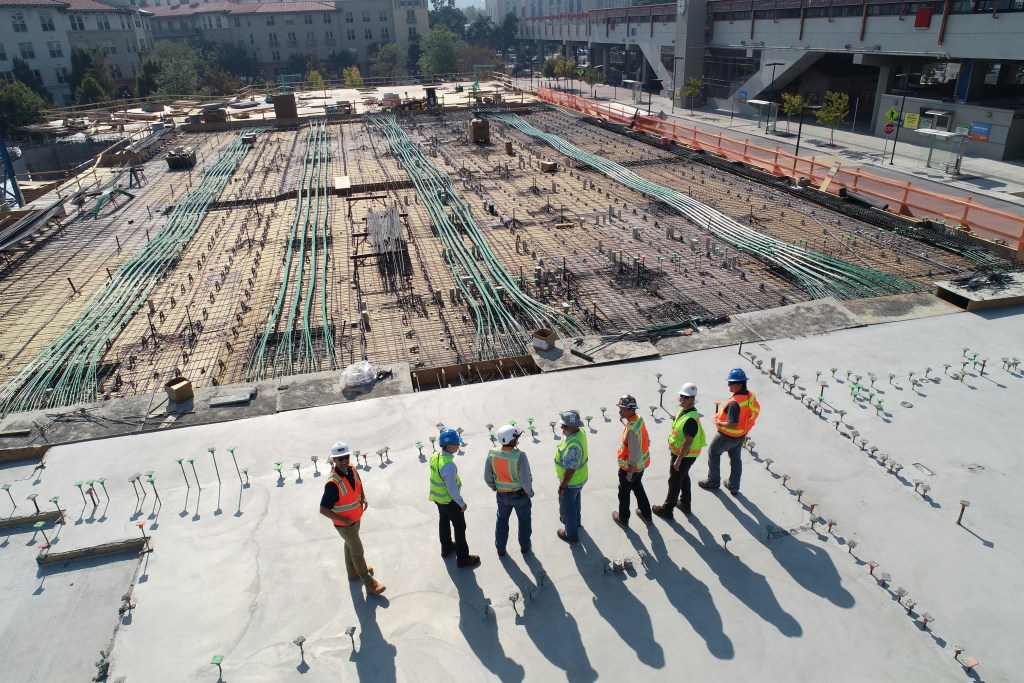
We invited stakeholders along the value chain to shed light on their strategies, new success models, opportunities and risks in the fight against climate change as part of a mini-series on the topic of “sustainable construction”.
General Manager of GrECo Sagauta, Katerina Pavlidi, recently met with Dr Tomas Kontautas, partner at the law firm Sorainen to discuss the sustainable development of the Baltic insurance market and just how green its future will be.
With the ESG spotlight upon us all, company’s need to meticulously craft their future communications strategies, making sure they truly understand the sustainable profile of their products, services, or activities.
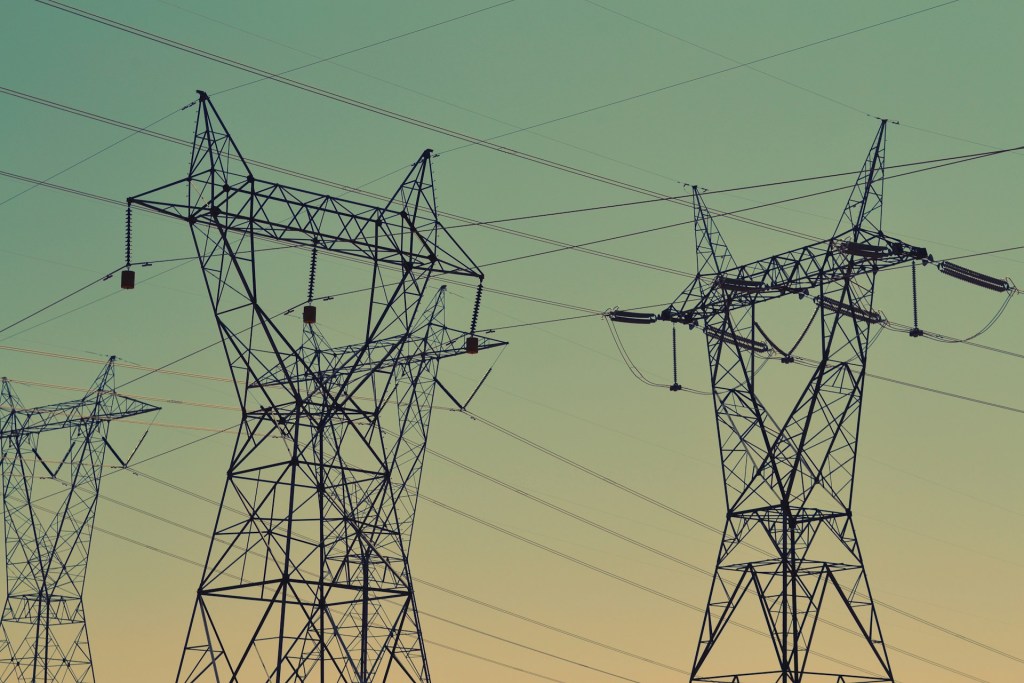
The success of the global grid overhaul effort is instrumental to the success of green energy transition and indeed to the improvement of living conditions for the global population in this century and beyond. 
Erwin Soravia, CEO of SORAVIA, talks to Fritz Neubrand, Chairman of the Supervisory Board of the GrECo Group, about the property developer’s responsibility in terms of sustainability, and how innovation and technology can strengthen the industry’s climate resilience.
Steffen Robbi tells Laura Hochegger about how digitalization can contribute to a sustainable transformation and risk minimization in the construction and real estate industry, especially in the circular economy and in the refurbishment of existing buildings.
In the light of impending annual ESG reporting, the challenges in the dimensions of sustainability cannot be fully met by the existing certificates. The requirements of the EU taxonomy and the growing demand on the real estate market for climate-friendly buildings require uniform assessment criteria and thus indirectly a harmonization of assessment systems.
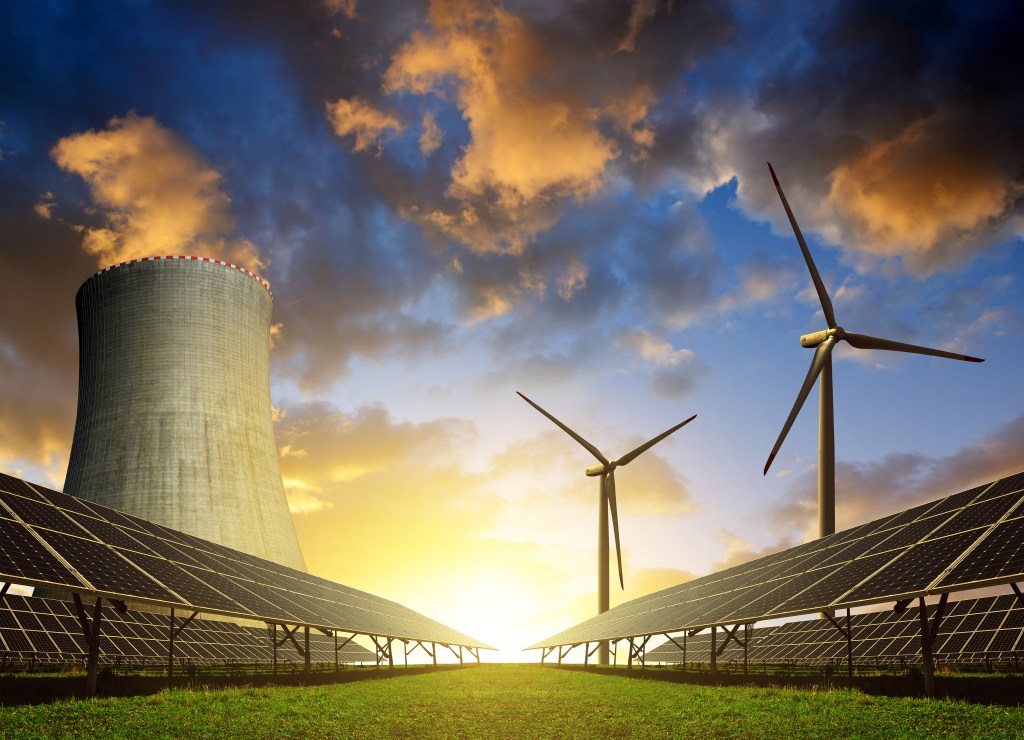
From the options available today, hydrogen is a promising alternative to fossil fuels with some companies, such as Wien Energie, already convinced of its benefits realising projects to test it as an alternative energy source.
The transformation of the Donaustadt power plant is not only a trailblazer for other companies, but also a clear signal that sustainable energy generation is the future.
Addressing physical climate risks is not just a regulatory requirement; it is a strategic imperative for businesses.
Martin Gary discusses whether the insurance industry is currently supporting the sustainable development of aviation, future trends and technologies being harnessed to meet ESG targets, and current restrictions impeding aviation’s sustainable future.
We invited stakeholders along the value chain to shed light on their strategies, new success models, opportunities and risks in the fight against climate change as part of a mini-series on the topic of “sustainable construction”.
General Manager of GrECo Sagauta, Katerina Pavlidi, recently met with Dr Tomas Kontautas, partner at the law firm Sorainen to discuss the sustainable development of the Baltic insurance market and just how green its future will be.
With the ESG spotlight upon us all, company’s need to meticulously craft their future communications strategies, making sure they truly understand the sustainable profile of their products, services, or activities.
The success of the global grid overhaul effort is instrumental to the success of green energy transition and indeed to the improvement of living conditions for the global population in this century and beyond. 
Erwin Soravia, CEO of SORAVIA, talks to Fritz Neubrand, Chairman of the Supervisory Board of the GrECo Group, about the property developer’s responsibility in terms of sustainability, and how innovation and technology can strengthen the industry’s climate resilience.
In einer Zeit, die von geopolitischen Umbrüchen, wirtschaftlicher Volatilität und zunehmendem ökologischen Druck geprägt ist, sehen sich österreichische Unternehmen mit einem immer komplexer werdenden Risikoumfeld konfrontiert.
Ist es ein Klischee zu glauben, dass Frauen härter arbeiten müssen, um in männerdominierten Branchen erfolgreich zu sein?
Under the title “Environment in danger”, our upcoming HORIZON series concentrates on the ecological transformation and therefore looks at all its challenges from various angles.
Other crises, the climate crisis being a prominent example, are more likely to emerge as developments that gradually manifest themselves.
An effective risk management process is a basic requirement for tackling transformation risks.
Mariana Kühnel, Deputy General Secretary of the Austrian Chamber of Commerce spoke about staying calm in these unpredictable times and how Europe can gain comparative advantages.
Economic sanctions used for foreign policy purposes are economic penalties – such as prohibiting trade, stopping financial transactions or barring economic and military assistance – used to influence a nation and provide incentives for obedience with the rule of law or other governing rules and regulations.
This article will provoke thoughts and create awareness about the new political world order, the changing influence of Western and Eastern powers as well as the emergence and formation of a new centre of gravity in the global economy. It takes a close look at an emerging geopolitical dominance and focuses on the new crossroads between the West and the East – the New Silk Roads.
Plans are underway to construct a new power plant fuelled by waste material on the premises of Rondo Ganahl AG as part of the Initiative “Energy Autonomy Frastanz”. The new plant in Austria’s most western province will cover the future thermal energy demand of the Rondo paper mill and corrugated board plant and will also supply other businesses and private households.
IIZI’s journey with bespoke solutions has been a testament to the power of tailored services in enhancing client satisfaction.
Considering that play is central to developing imagination, agility, creativity, resourcefulness, adaptability, and innovative capabilities, why would we want to limit it? 
Austria’s pension system is facing significant challenges, hampered by a reluctance to adapt to demographic and economic pressures.
With fewer young people pursuing farming careers and the worsening of our perceptions about the agricultural industry and its impact on the environment, Maksym Shylov, Group Practice Leader, Food & Agriculture, at GrECo Group hosted a virtual roundtable discussion
The conversation delves into the distinct roles of training, mentoring, and coaching, the unique benefits of coaching, and how it can enhance efficiency and effectiveness within organisations.
Petya Ivanova delves into the complexities of the generational gap within Bulgarian workplaces.
As businesses and societies navigate these complexities, adopting a holistic approach to supply chain management is crucial.
Can AI ever fully replace human judgment? And perhaps most crucially, how can AI and human expertise complement one another to bolster cybersecurity?
Glass is a sustainable packaging material which consists of 100% natural raw materials and is endlessly recyclable.
In a world rapidly advancing toward quantum computing, have we underestimated the risks and will our reluctance to act now leave our digital world exposed and vulnerable?
How technology will contribute to increasing resilience and why personal responsibility is an important part of risk management.
In an era where artificial intelligence is woven into every aspect of business, the hidden dangers of unsanctioned AI tools are increasingly coming to light.
During a recent panel discussion organised by GrECo Czech Republic, experts in insurance and cyber security examined the most critical cybersecurity challenges and strategies.
The insurance industry is undergoing a profound transformation, driven by the rapid adoption of AI and predictive analytics.
Within healthcare, many doctors and nurses see AI as a promising tool to ease their heavy administrative workload and are eagerly anticipating further advancements.
In an era where artificial intelligence is woven into every aspect of business, the hidden dangers of unsanctioned AI tools are increasingly coming to light.
José Luis Abad Garcia, Competence Center Manager Motor, at GrECo Austria shares GrECo’s groundbreaking journey in integrating AI to transform motor insurance claims processing.
In an unpredictable global landscape, the resilience of food supply chains is no longer a luxury but a necessity.

Dive deep into our HORIZON print edition which focuses on various transformations and looks at all the challenges they pose from different angles.

Georg Winter

CEO GrECo Group

T +43 664 962 39 06