HORIZON Risk Thought >> Fast Forward

Die Komplexität der heutigen Risikolandschaft verändert sich immer schneller, was das Risikomanagement noch schwieriger macht. Wir gehen diese Herausforderungen an, indem wir grundlegende systemische Transformationen und ihre Auswirkungen auf das zukünftige Risiko- und Versicherungsmanagement in verschiedenen Sektoren beleuchten.

Im Kontext des Risikomanagements dieser systemischen Transformationen haben wir „Risk Changer“ klassifiziert, die sich direkt auf Unternehmen auswirken. Wir verwenden dafür folgende Begriffe:

  • „Environment in Danger“ für ökologische,
  • „Beyond Globalisation“ für geopolitische,
  • „Digital Transition“ für technologische und
  • „Social Disruption“ für soziale Transformationen.
Unter dem Titel „Social Disruption“ konzentriert sich HORIZON dieses Mal auf den sozialen Wandel und beleuchtet alle damit verbundenen Herausforderungen für die Geschäftswelt. In dieser Ausgabe erkunden wir das Zeitalter des Menschen und seinen Einfluss auf unsere zukünftigen Arbeitsumgebungen. Wir untersuchen, wie unser Verhalten die Risikolandschaft prägt.

In the risk management context of these systemic transformations, we classified these “risk changers” that directly affect a company and use the terms:

  • “Environment in danger” for ecological,
  • “Beyond globalisation” for geopolitical,
  • “Digital transition” for technological and
  • “Social disruption” for social transformation.

We have created Horizon, firstly as a print publication and now as a platform for sharing the latest insights about ongoing transformations. Our risk specialists will continue to provide their expertise and knowledge to shine a light on the challenges of the future.

Wir haben HORIZON ins Leben gerufen, um die neuesten Erkenntnisse über aktuelle Veränderungen zu teilen.
Unsere Risikospezialist:innen stellen ihr Fachwissen und ihre Kenntnisse zur Verfügung, um die Herausforderungen der Zukunft zu beleuchten.

Entdecken Sie ihre neuesten Erkenntnisse, Gedanken und Standpunkte oder wählen Sie aus unseren systemischen Risikokategorien, um mehr zu erfahren. Die Inhalte basieren auf dem gebündelten Wissen unseres internationalen GrECo Netzwerks. Aus diesem Grund sind einzelne Beiträge in englischer Sprache verfasst; ergänzend stehen weitere Artikel in deutscher Sprache zur Verfügung.

Addressing physical climate risks is not just a regulatory requirement; it is a strategic imperative for businesses.
Martin Gary discusses whether the insurance industry is currently supporting the sustainable development of aviation, future trends and technologies being harnessed to meet ESG targets, and current restrictions impeding aviation’s sustainable future.
We invited stakeholders along the value chain to shed light on their strategies, new success models, opportunities and risks in the fight against climate change as part of a mini-series on the topic of “sustainable construction”.
General Manager of GrECo Sagauta, Katerina Pavlidi, recently met with Dr Tomas Kontautas, partner at the law firm Sorainen to discuss the sustainable development of the Baltic insurance market and just how green its future will be.
With the ESG spotlight upon us all, company’s need to meticulously craft their future communications strategies, making sure they truly understand the sustainable profile of their products, services, or activities.
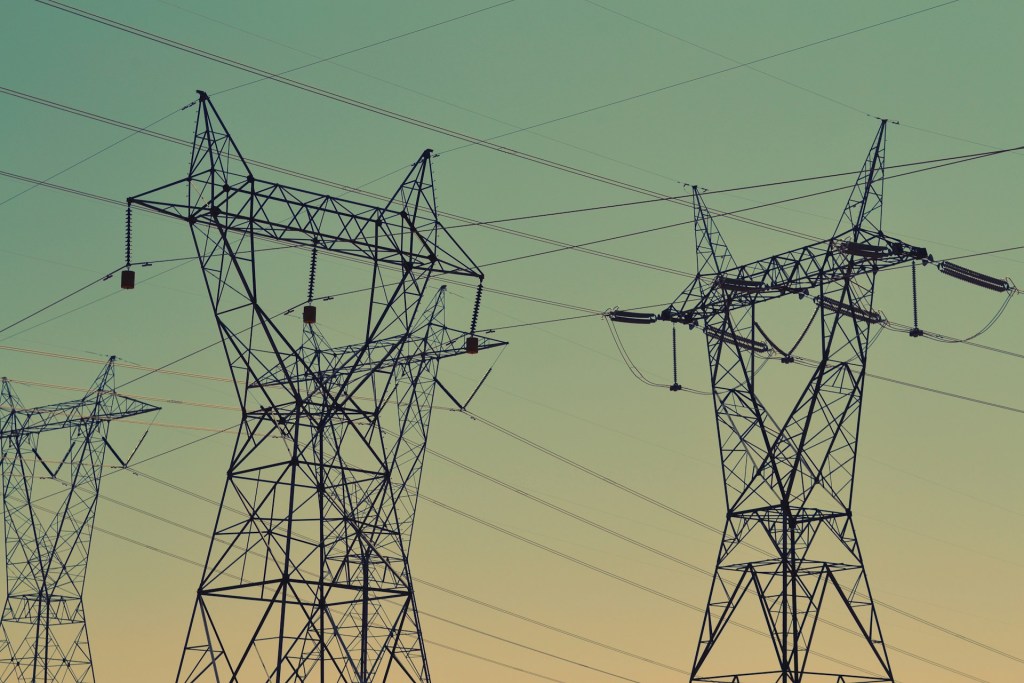
The success of the global grid overhaul effort is instrumental to the success of green energy transition and indeed to the improvement of living conditions for the global population in this century and beyond. 
Erwin Soravia, CEO of SORAVIA, talks to Fritz Neubrand, Chairman of the Supervisory Board of the GrECo Group, about the property developer’s responsibility in terms of sustainability, and how innovation and technology can strengthen the industry’s climate resilience.
Steffen Robbi tells Laura Hochegger about how digitalization can contribute to a sustainable transformation and risk minimization in the construction and real estate industry, especially in the circular economy and in the refurbishment of existing buildings.

In the light of impending annual ESG reporting, the challenges in the dimensions of sustainability cannot be fully met by the existing certificates. The requirements of the EU taxonomy and the growing demand on the real estate market for climate-friendly buildings require uniform assessment criteria and thus indirectly a harmonization of assessment systems.

Ist es ein Klischee zu glauben, dass Frauen härter arbeiten müssen, um in männerdominierten Branchen erfolgreich zu sein?
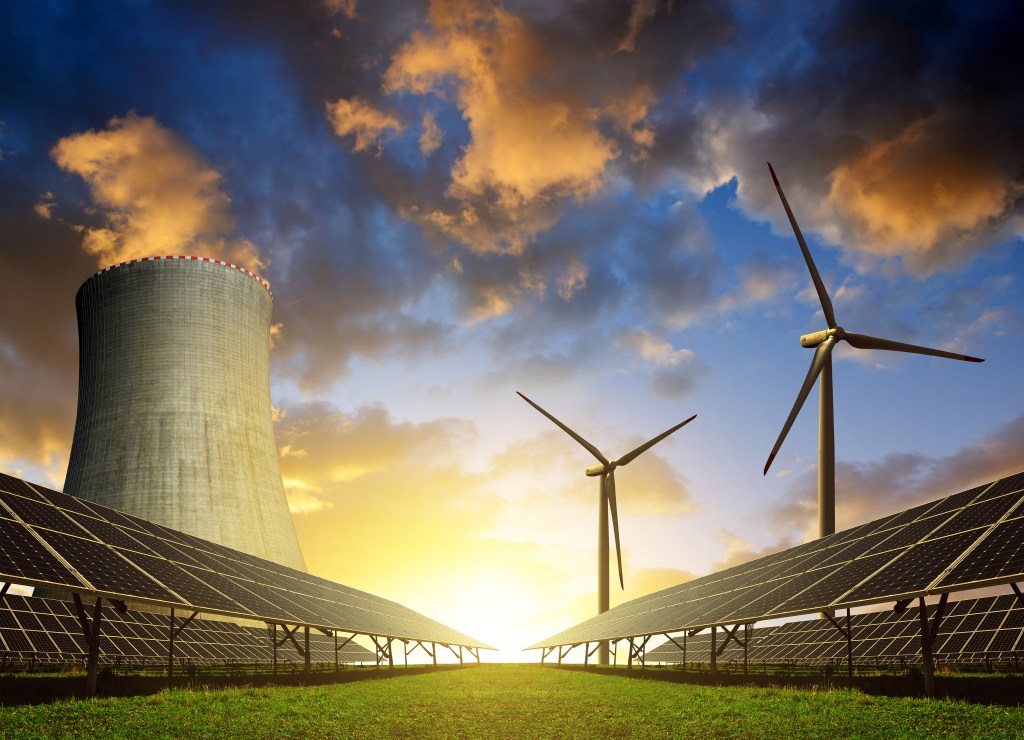
From the options available today, hydrogen is a promising alternative to fossil fuels with some companies, such as Wien Energie, already convinced of its benefits realising projects to test it as an alternative energy source.
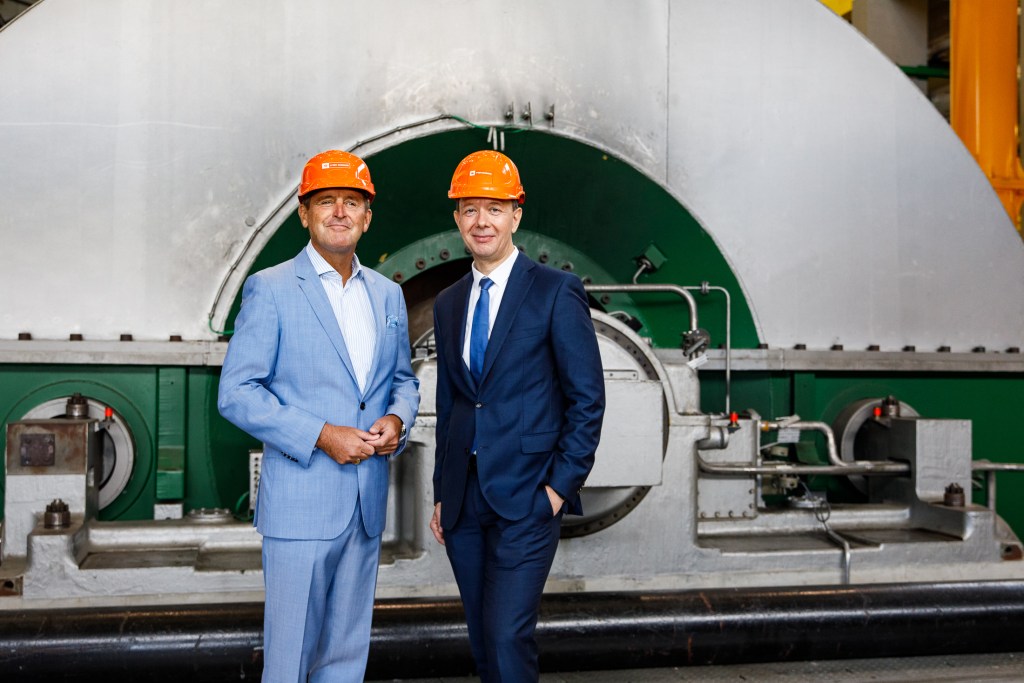
The transformation of the Donaustadt power plant is not only a trailblazer for other companies, but also a clear signal that sustainable energy generation is the future.
Addressing physical climate risks is not just a regulatory requirement; it is a strategic imperative for businesses.
Martin Gary discusses whether the insurance industry is currently supporting the sustainable development of aviation, future trends and technologies being harnessed to meet ESG targets, and current restrictions impeding aviation’s sustainable future.
We invited stakeholders along the value chain to shed light on their strategies, new success models, opportunities and risks in the fight against climate change as part of a mini-series on the topic of “sustainable construction”.
General Manager of GrECo Sagauta, Katerina Pavlidi, recently met with Dr Tomas Kontautas, partner at the law firm Sorainen to discuss the sustainable development of the Baltic insurance market and just how green its future will be.
With the ESG spotlight upon us all, company’s need to meticulously craft their future communications strategies, making sure they truly understand the sustainable profile of their products, services, or activities.
The success of the global grid overhaul effort is instrumental to the success of green energy transition and indeed to the improvement of living conditions for the global population in this century and beyond. 
Huge change is happening in all sectors of the marine insurance sector and cargo risks and associated insurances.
State-sponsored cyber-attacks usually exploit infrastructure weaknesses, gather information or skim off money to recover losses from sanctions.
Nowadays, risk management is more in demand than ever. By working in tandem with clients the insurance partner can help to shape the future.
Companies are exposed to various kinds of risks. At the same time, systemic transformation exacerbates existing risks and causes new risks to emerge.
Michael Kolb, Board Member at Acredia, talks about the political effects of the energy crisis and situation of the former Yugoslavian countries.
For Erne Fittings, the world’s leading supplier of butt-weld fittings, every safe connection is a strong pillar of success in risk and supply chain management
How can we increase flexibility and financial resilience in an ever-changing economical and geopolitical environment
The international insurance industry is no longer willing to agree on coverage for Russia and Belarus. The options for coverage in Ukraine are very limited.
Jürgen Spari spoke to Georg Knill about the challenges of the energy transition for the industrial sector and the impact of the Russia-Ukraine conflict on domestic companies.
Lukáš Vodička, Group Practice Leader Trade Credit Specialties at GrECo Holding speaks with Gejza Trgiňa, Senior Underwriter at Atradius about what Czech exporters need to watch today and what it takes to build resilience when geopolitical unrest becomes a business issue, not background noise. 
We operate in a world where many risks – climate stress, new technologies, geopolitical dynamics – do not come with solid historical data. Waiting for certainty is not an option. 
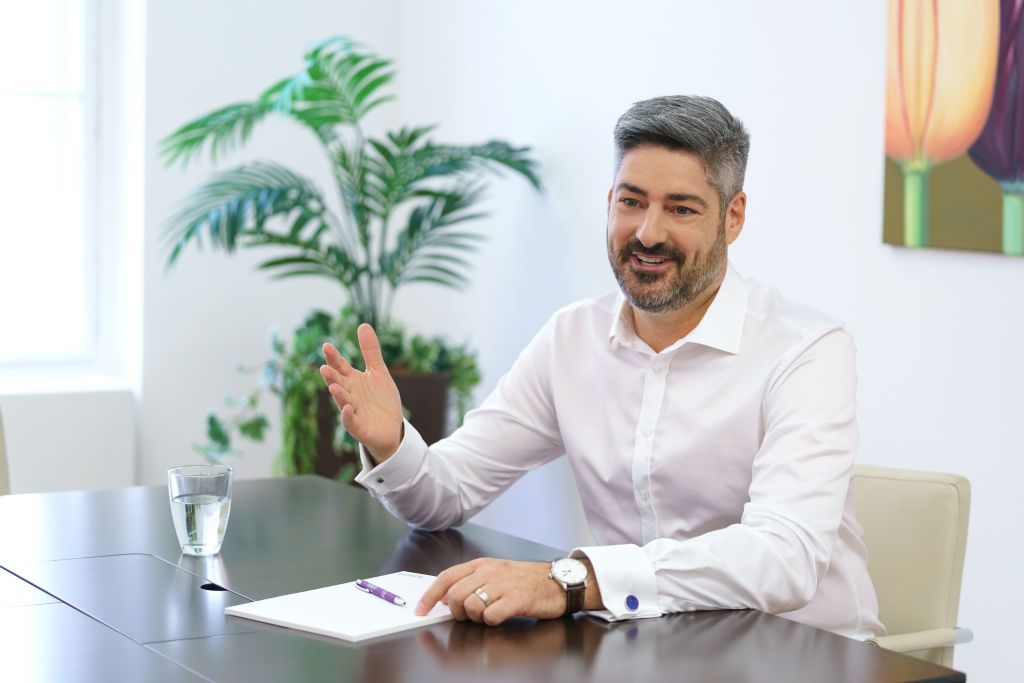
Insurance should be viewed through the same lens as any other capital decision. Every Euro spent on premium competes directly with investment, growth, and operational priorities.
Vigilance, determination and seeing the world as it really is – as opposed to how we imagine it to be – are more  important than ever for today’s executives if Europe is to remain relevant in the world. 
In a time of overlapping crises, organisations are being asked to do more than adapt: they must stay human, fair, and effective under pressure
Während das Social-Credit-System (SCS) in China ein charakteristisches Merkmal ist, würde seine Anwendung in Europa mit erheblichen Herausforderungen und Bedenken verbunden sein.
In einer Zeit, die von geopolitischen Umbrüchen, wirtschaftlicher Volatilität und zunehmendem ökologischen Druck geprägt ist, sehen sich österreichische Unternehmen mit einem immer komplexer werdenden Risikoumfeld konfrontiert.
Kann KI jemals das menschliche Urteilsvermögen vollständig ersetzen? Und vielleicht am wichtigsten: Wie können KI und menschliches Fachwissen sich gegenseitig ergänzen, um die Cybersicherheit zu stärken?
Ist es ein Klischee zu glauben, dass Frauen härter arbeiten müssen, um in männerdominierten Branchen erfolgreich zu sein?
In a world rapidly advancing toward quantum computing, have we underestimated the risks and will our reluctance to act now leave our digital world exposed and vulnerable?
Wie Technologie zur Steigerung der Resilienz beitragen wird und warum persönliche Verantwortung ein wichtiger Bestandteil des Risikomanagements ist.
How technology will contribute to increasing resilience and why personal responsibility is an important part of risk management.
Im Gesundheitswesen sehen viele Ärztinnen und Ärzte sowie Pflegekräfte KI als vielversprechendes Instrument, um ihre hohe administrative Arbeitsbelastung zu verringern, und erwarten mit Spannung weitere Fortschritte.
In an era where artificial intelligence is woven into every aspect of business, the hidden dangers of unsanctioned AI tools are increasingly coming to light.
During a recent panel discussion organised by GrECo Czech Republic, experts in insurance and cyber security examined the most critical cybersecurity challenges and strategies.
The insurance industry is undergoing a profound transformation, driven by the rapid adoption of AI and predictive analytics.
Within healthcare, many doctors and nurses see AI as a promising tool to ease their heavy administrative workload and are eagerly anticipating further advancements.
In an era where artificial intelligence is woven into every aspect of business, the hidden dangers of unsanctioned AI tools are increasingly coming to light.

Tauchen Sie tief in unsere HORIZON-Printausgabe ein, die sich auf verschiedene Transformationen konzentriert und alle damit verbundenen Herausforderungen aus unterschiedlichen Blickwinkeln betrachtet.